finance
Tehran Businesses Navigate Record Rial Collapse and Soaring Inflation Pressures
Local firms in Tehran are adjusting to the rial's record low and sharp price rises that are reshaping daily operations and investment plans.
Listen in English · 3 min
How we reported this
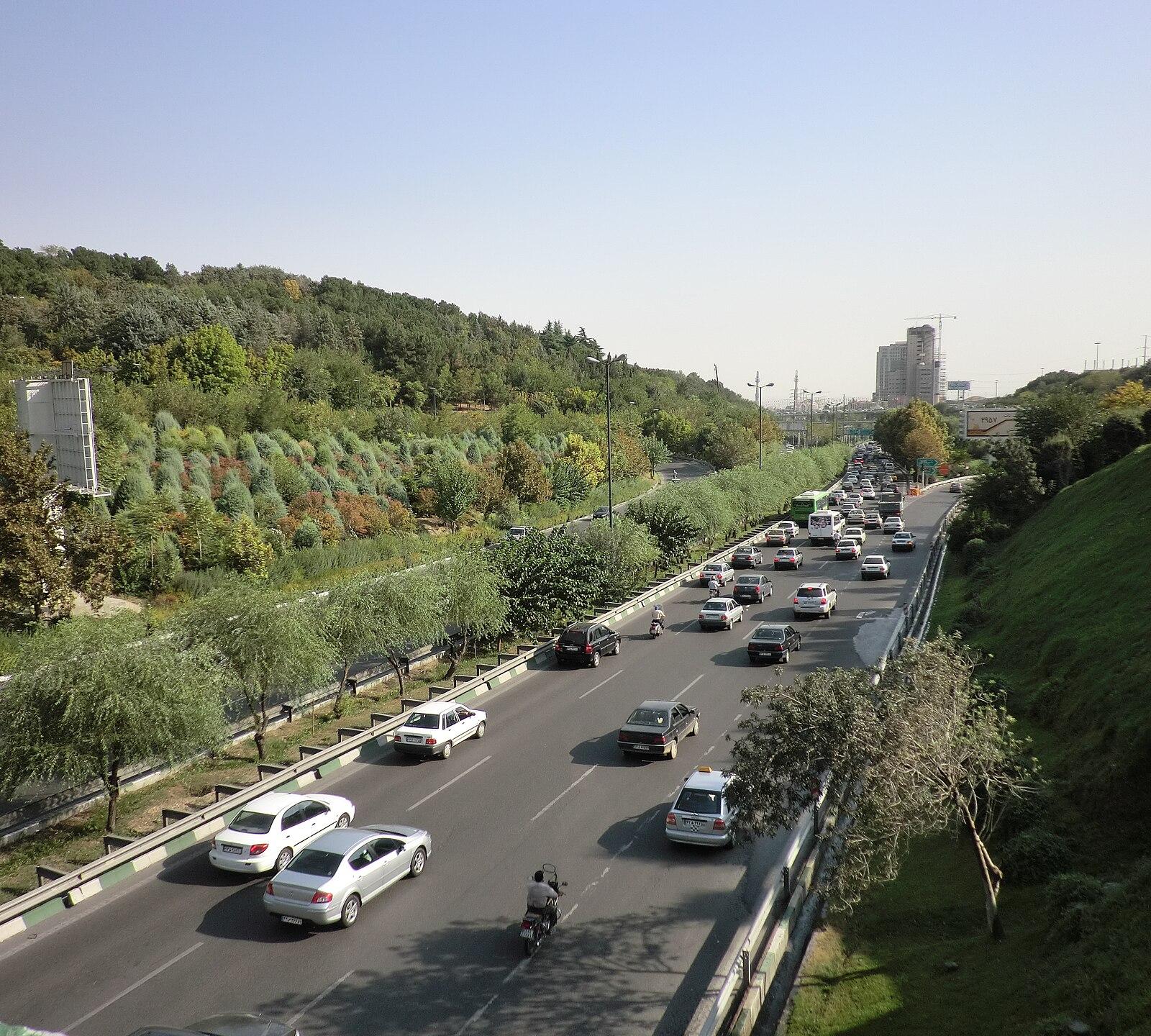
The Iranian rial has collapsed to record lows in Tehran's unofficial market, reaching approximately 1.75 million rials per USD and losing nearly two-thirds of its value since the previous year due to sanctions and conflict. This depreciation is forcing private businesses to reconsider pricing, supply chains and staffing as costs climb rapidly.
Currency Strain Hits Trading Hubs
Tehran's Grand Bazaar and other private businesses have faced closures and protests due to currency depreciation and economic slumps, with the government shutting establishments following nationwide unrest. Traders in the historic market report difficulty maintaining stock levels as import costs surge and customers delay purchases amid the volatility.
Inflation Erodes Wage Value
Inflation in Tehran surged to 88.6% year-on-year in June 2026, with food inflation skyrocketing to nearly 134%, causing base monthly minimum wages to drop to roughly $95 at open market exchange rates. These figures are prompting local employers to reassess hiring and compensation structures to retain staff.
Broader Contraction Shapes Decisions
The IMF projects Iran's real GDP will shrink by 6.1% in 2026, while domestic data shows a -0.7% GDP growth and a -12% drop in gross fixed capital formation for the previous fiscal year. Senior economic officials warn that damage from the 40-day conflict with the US and Israel, combined with a naval blockade, could take up to 12 years to repair, with monthly economic losses estimated at $13 billion. Business owners are therefore prioritising short-term survival measures over expansion.
These conditions are leading firms to focus on cost containment and selective operations rather than new projects. Recovery timelines remain uncertain as officials assess the combined effects of the conflict and ongoing sanctions.
This article is general information only and is not personal financial or investment advice. Consider your own circumstances and seek licensed professional advice before making financial decisions.