lifestyle
Tehran's Morning Commute: Stories From Vali-e-Asr Street Revealed
Beyond the gridlock of Vali-e-Asr Street, the pulse of the capital is found in the fleeting encounters of a morning commute.
How we reported this
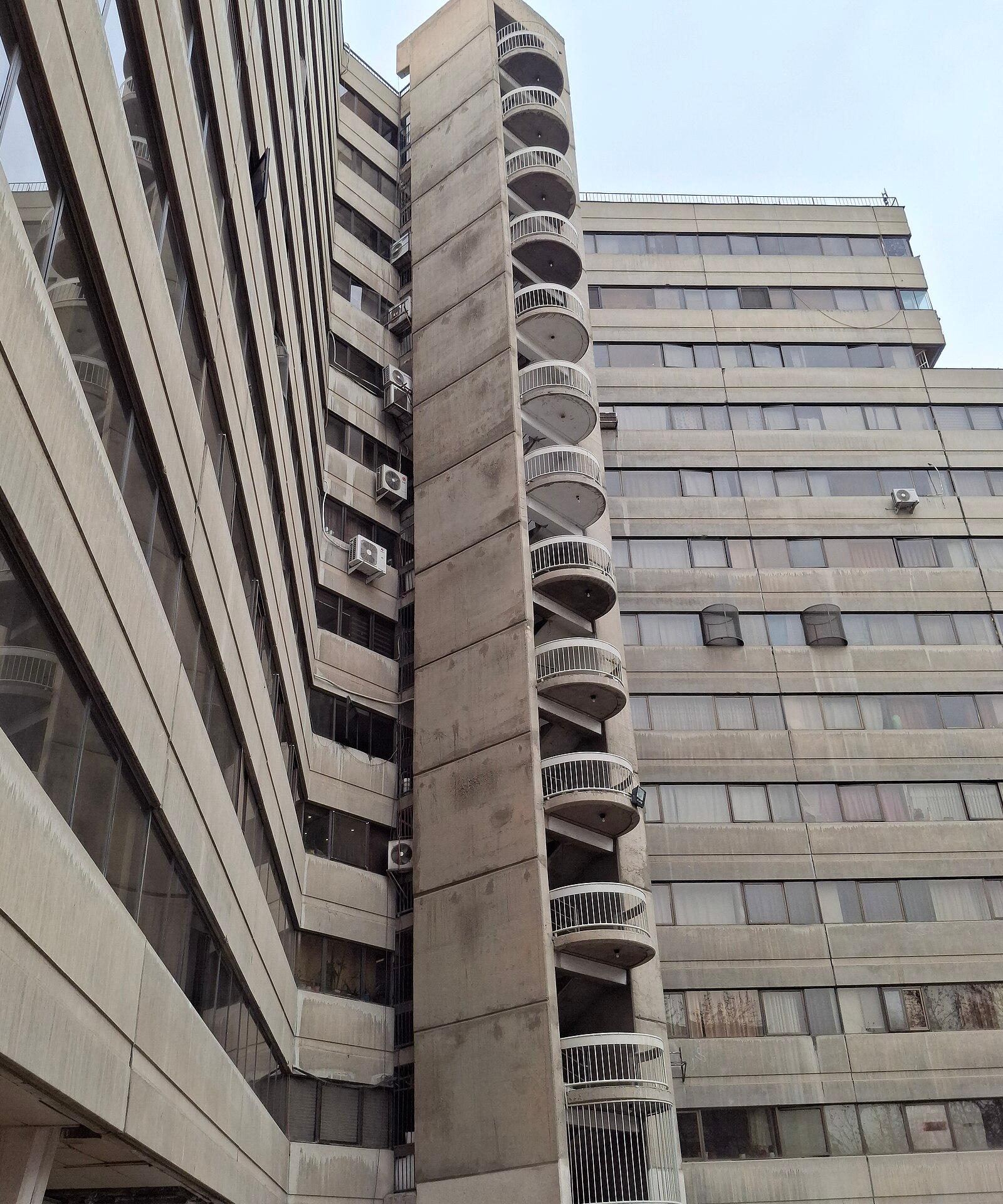
The rhythm of Tehran is written in the steel wheels of the Tehran Metro and the persistent hum of engines along the Valiasr axis. As the city navigates a period of significant national mourning following the state funeral at the Grand Mosalla, the daily commute has become more than a logistical necessity; it is a shared space where the city’s complex identity reveals itself in the quiet interactions between strangers. From the packed platforms at Imam Khomeini station to the hurried exchanges at the taxi stands of Tajrish Square, the movement of people defines the character of the metropolis.
The Faces Behind the Wheel
For those navigating the city, the true experts are the drivers of the suburban shuttle network and the yellow taxis that weave through the northern foothills. These operators, often plying the routes from the bustling hubs near Bazaar-e-Bozorg to the residential high-rises of Elahiyeh, serve as the unofficial chroniclers of urban life. Their familiarity with the city's topography offers a steady hand during periods of high traffic or infrastructure strain. In neighborhoods like Saadat Abad, the interplay between private transport and the expanding public transit network remains a defining challenge, yet the resilience of commuters who rely on the city's bus rapid transit (BRT) lanes provides a daily lesson in local tenacity.
Understanding the architecture of movement in Tehran requires acknowledging the role of the Tehran Urban and Suburban Railway Company. The system, which connects the far reaches of the sprawling capital, acts as the circulatory system for millions of residents each day. Whether one is heading toward the cultural centers near Enghelab Street or commuting to the financial districts of central Tehran, the transit experience is increasingly shaped by the push for modernization within the municipal transit planning departments.
Navigating the Current Climate
Recent reports from the New York Times on July 5, 2026, highlight that the city is currently undergoing significant transformation, with public spaces adjusting to the requirements of large-scale official events. For the everyday traveler, this means that routes near major landmarks may experience temporary closures or increased security presence. Those planning travel across the metropolitan area should note that while the metro remains the most reliable method for crossing the city, peak-hour congestion is common. According to city transit authorities, the system currently facilitates millions of daily passenger movements, a figure that underscores the reliance of the working population on consistent rail and bus service.
For the resident or visitor, the best approach is to utilize the integrated transit maps available through municipal digital portals, which provide updates on station accessibility and route adjustments. Staying informed through official city transit announcements is essential for ensuring a smooth journey through the changing urban landscape. As the city looks toward the coming weeks, maintaining a flexible schedule and an appreciation for the local pace will remain the most effective tools for successfully getting around.