lifestyle
Tehran's Parks Transform to Combat Environmental Pressures, Serve Residents Better
As the capital adjusts to shifting environmental pressures, the city’s historic and modern green spaces are undergoing a transition in how they serve residents.
How we reported this
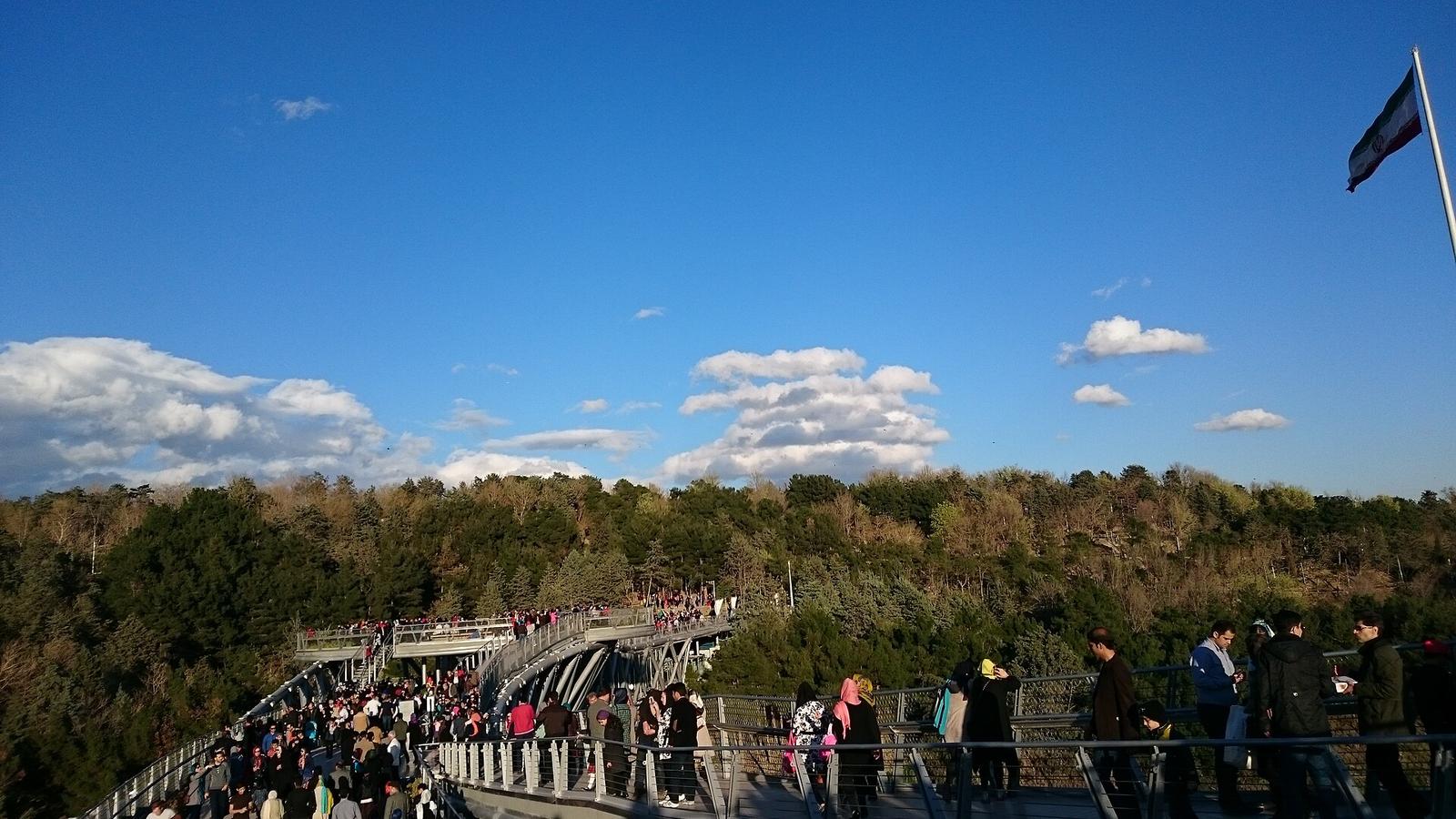
Tehran’s relationship with its public green spaces is entering a period of significant recalibration. As the urban landscape faces mounting pressure from environmental demands and changing social habits, the city’s expansive park network is evolving from simple leisure destinations into critical infrastructure for local climate management and social cohesion.
The Shift in Urban Planning Priorities
In neighborhoods like Abbas Abad, the approach to managing large-scale public sites has moved toward more integrated, multi-use environments. The Tabiat Bridge, which connects Taleghani Park and Abo-Atash Park, remains a focal point of this transformation. Designed as a pedestrian thoroughfare rather than a static garden, it exemplifies a wider city trend: integrating transit with recreational space to accommodate Tehran's dense population. These sites are increasingly used as buffers against the urban heat island effect, with municipal planning focusing on high-density irrigation management to maintain vegetation during peak summer months.
City management in areas surrounding Valiasr Street is also reflecting this shift. Efforts to maintain the historic plane trees that line the thoroughfare have become a test case for the Municipality of Tehran’s broader ecological strategies. By prioritizing these corridors, authorities are attempting to preserve the city’s microclimate even as modern infrastructure projects continue to reshape the district. These green corridors are no longer seen as purely aesthetic; they are now recognized as essential components of the city’s resilience plan.
New Challenges for Public Access
While the focus remains on expansion, the maintenance of these areas is subject to the city's broader economic and logistical constraints. According to reports from the New York Times on July 5, 2026, the Grand Mosalla of Tehran has recently served as the epicenter for significant national gatherings, highlighting how green and public spaces are frequently repurposed for civic and political functions. This evolution means that the traditional role of Tehran’s parks-as quiet respites from the city-is increasingly intertwined with the capital's public life.
For residents, navigating this evolution requires a flexible approach to urban recreation. While access to major parks remains a staple of life in the capital, the surge in demand often influences how these spaces are managed. Visitors should monitor municipal announcements, particularly during periods of high-profile civic events or extreme weather, as park operating hours and accessibility to specific sectors of major sites can be subject to change. As the city continues to integrate climate-resilient landscaping, residents can expect more emphasis on native species and drought-tolerant planting in future infrastructure projects across districts such as Niavaran and Chitgar.