Politics
Tehran Water Bill Hikes 22%, Rationing Looms for 8.7 Million Residents
Proposed legislation to overhaul Tehran's water allocation system could raise household bills by 18-22 percent while forcing tighter rationing during dry months, affecting 8.7 million residents.
How we reported this
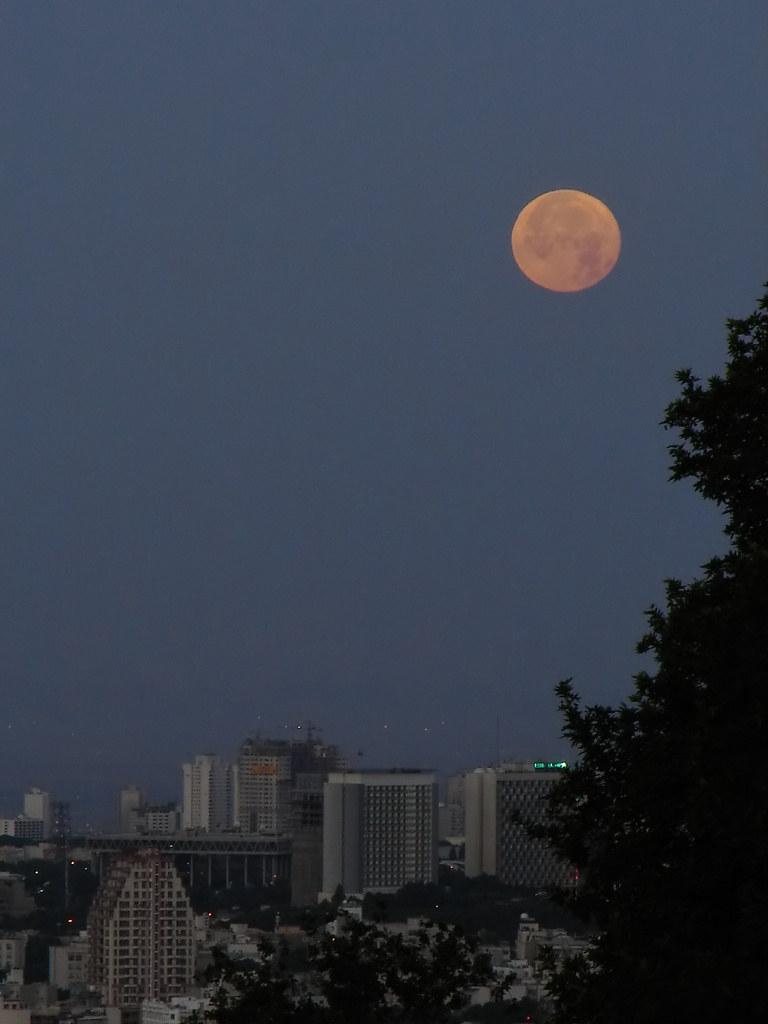
The Tehran Water Authority's proposed Water Resources Management Bill has cleared two legislative committees and now enters its third and final reading before a full vote, setting up a critical moment for residents already grappling with one of the region's most severe water deficits. The legislation, formally submitted to the state legislature in March 2026, restructures how the city allocates groundwater supplies and revises the tariff structure that determines what households and businesses pay for service. City officials say the changes are essential to prevent complete aquifer depletion within 15 years.
Tehran's water crisis has deepened significantly. The city draws 75 percent of its supply from underground aquifers that are depleting faster than rainfall can replenish them, according to the Water Authority's own assessments. Current consumption averages 2.8 billion cubic meters annually against an estimated sustainable yield of 1.2 billion cubic meters. The bill introduces mandatory tiering: households consuming up to 50 cubic meters monthly will pay the current rate; consumption between 50 and 100 cubic meters carries a 35 percent premium; anything above 100 cubic meters costs 60 percent more per unit.
Who Pays More, Who Gets Less
For Tehran households, the impact breaks down sharply by consumption patterns. A family of four using 60 cubic meters monthly can expect their bill to rise from 185,000 rials to approximately 225,000 rials, a 22 percent increase. A household consuming 120 cubic meters monthly would see bills jump from 310,000 rials to 385,000 rials. Industrial and commercial users-particularly carpet dyeing operations in Tehran's northwest districts and food processing plants in the south-face larger increases, with some water-intensive businesses projected to see annual bills rise by 40-50 percent. The legislation includes exemptions for hospitals, schools and mosques, which remain on flat-rate pricing.
Equally significant are the rationing provisions. The bill mandates that during the dry season (June through October), Tehran can restrict residential supply to the first 50 cubic meters per household without advance notice if aquifer levels fall below specified thresholds. Last summer, when the city came close to those thresholds in late August, this would have forced residents to choose between drinking water, cooking and cleaning. The legislation does not specify what happens to residents who exceed the restricted allocation during emergency rationing.
Timeline and Next Steps
The committee vote is scheduled for late July 2026. Voting members have raised questions about implementation enforcement, particularly how the city will monitor household consumption given that many Tehran buildings still rely on shared meters rather than individual unit meters. The Water Authority estimates retrofitting shared-meter buildings would cost 240 billion rials, but the bill does not fund this work. Policy analysts note this creates a compliance gap: residents in roughly 30 percent of Tehran's apartment blocks cannot be charged the tiered rate accurately.
If passed by the full legislature, the bill takes effect January 1, 2027. The Water Authority says the higher tariffs are projected to reduce consumption by 180-220 million cubic meters annually, which would extend current aquifer reserves by approximately four to six years. Opposition groups argue the bill places burden disproportionately on middle and lower-income households in southern and eastern Tehran, where larger families typically consume more water but earn less than residents in western districts. No demographic data has been published by the legislature comparing consumption patterns by income level or neighborhood.
Residents can submit written testimony to the legislature until July 18. The final text is expected to be publicly available by July 22, giving citizens two weeks to review specific language before any full vote.