property
Tehran Renters Choose Flexibility Over Mortgages as Costs Climb
With mortgage costs climbing and monthly rents still negotiable, many Tehranis are quietly doing the math, and some are choosing to stay tenants.
How we reported this
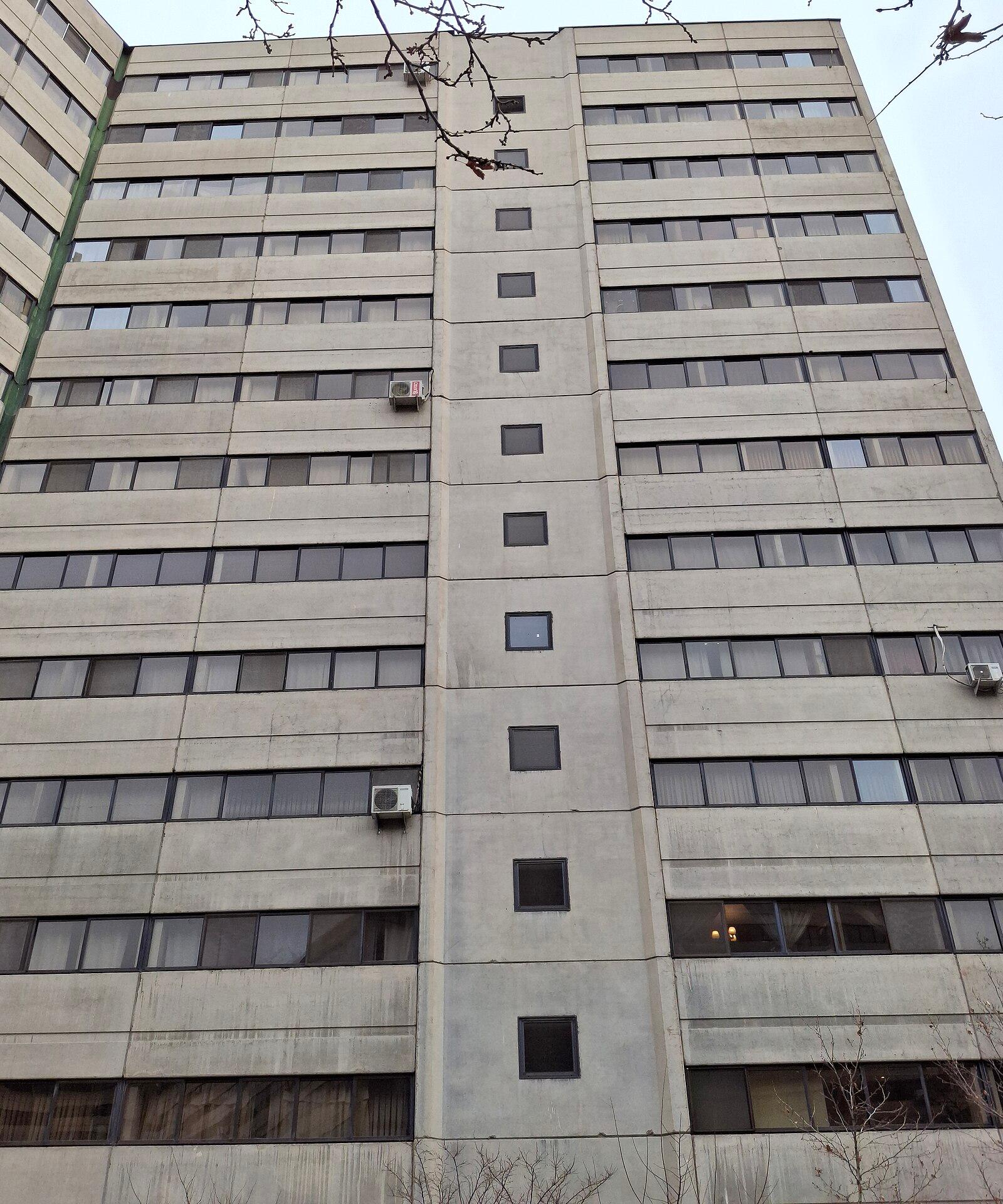
For the first time in years, a growing number of middle-income families in Tehran are running the numbers and reaching an uncomfortable conclusion: buying an apartment right now may cost them more per month than renting the same unit. The gap between monthly ownership costs and rental payments has widened sharply across several central and northern districts, driven by sustained high interest rates on housing loans and property prices that have not meaningfully corrected since peaking in 2023.
This matters now because Iran's property market sits at an unusual inflection point. The country is navigating a period of political transition following events at the highest levels of government, and economic uncertainty tends to freeze buyer confidence while leaving rental demand, and rental pricing, more flexible. Landlords in some neighbourhoods are quietly accepting below-asking rents rather than leave units vacant through the summer. Buyers, by contrast, face fixed borrowing costs and sellers who have so far resisted dropping asking prices.
What the Numbers Look Like on the Ground
In Elahiyeh, one of Tehran's most closely watched residential neighbourhoods in the north of the city, a 120-square-metre apartment is currently listed for sale at prices that, after a 30 percent deposit and a standard housing loan from Bank Maskan, Iran's primary state mortgage lender, would translate to a monthly repayment obligation well above 80 million tomans. A comparable unit in the same street, Shahid Lavasani Avenue, has been available to rent since May for approximately 35 million tomans per month on a standard one-year lease with a deposit (rahn) of around 800 million tomans. Even accounting for the opportunity cost of that deposit, the monthly outlay for the renter is substantially lower than for the buyer.
The picture is similar, if less extreme, further south. In Narmak, a densely populated middle-class district in eastern Tehran near Imam Hossein Square, estate agents at local brokerages along Farhang Boulevard have reported that rental inquiries outpaced buyer inquiries through the second quarter of 2026. Asking prices for two-bedroom apartments in Narmak have held near 12 billion tomans, while monthly rents for equivalent units have remained in the 18 to 22 million toman range, a ratio that, by historical Tehran standards, still tilts marginally in favour of renting when financing costs are folded in.
Bank Maskan's published base lending rate for housing loans, which shapes most formal mortgage arrangements in Iran, has not dropped below 18 percent in the current cycle. At that rate, the amortisation burden on a loan large enough to cover even a modest Tehran apartment eats aggressively into household income. The Ministry of Roads and Urban Development acknowledged earlier this year that the ratio of average apartment prices to average household income in Tehran has risen significantly over the past decade, though affordability programmes under the Mehr and Maskan Melli schemes have attempted to address the lower end of the market.
The Case for Buying Hasn't Disappeared
None of this means buying is irrational. Tehran property has historically outpaced inflation over five- and ten-year horizons, and owning an asset denominated in bricks provides a hedge that a rental contract simply cannot. Families who locked in purchases in 2019 or 2020 and have since watched nominal values double or more will regard the monthly cost comparison as beside the point.
The more pressing question is for households deciding right now, in mid-2026, whether to commit. Financial planners and real estate consultants operating in the Jordaan district, sorry, in Jordan Street, Tehran's well-known hub of real estate offices near Vanak Square, have consistently advised prospective buyers to stress-test their budgets against a scenario where property prices remain flat for two to three years. In a flat market with high borrowing costs, renting and investing the difference elsewhere could produce better short-term outcomes.
Prospective buyers would do well to request a full amortisation table from Bank Maskan or any private lender before signing anything, compare total monthly costs against current rental listings in their target neighbourhood, and revisit the calculation every six months. The Tehran market has shifted before, and it will shift again, but right now, for many households, the monthly arithmetic favours the tenant.
This article is general information only and is not personal financial or investment advice. Consider your own circumstances and seek licensed professional advice before making financial decisions.