property
Tehran Property Sellers Cut Prices as Buyer Caution Extends Wait Times
Properties across Tehran's mid-range districts are sitting unsold for weeks longer than a year ago, forcing vendors to shave asking prices by margins not seen since 2022.
How we reported this
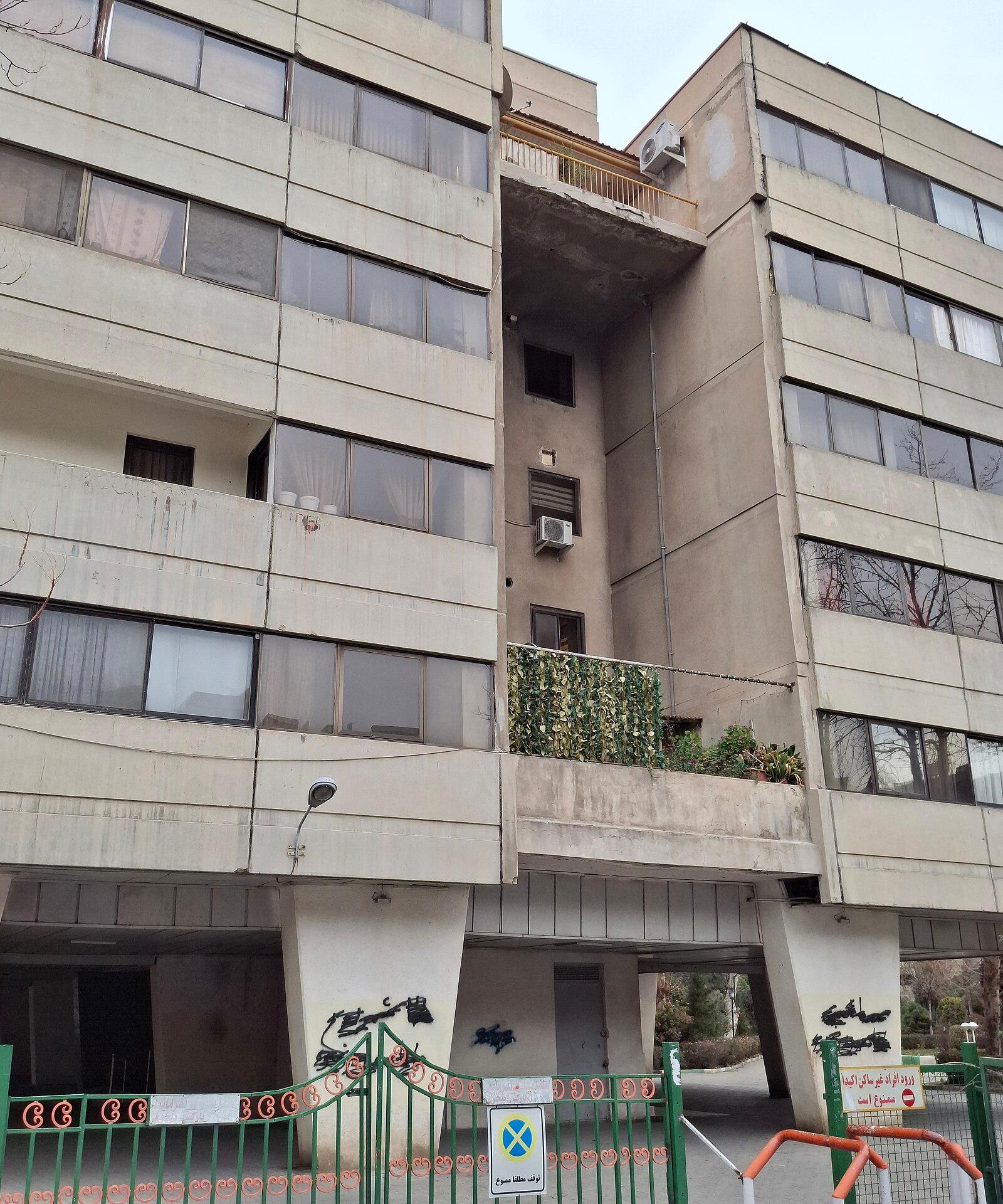
Listings across Tehran's residential market are taking an average of 68 days to find a buyer, up from roughly 45 days recorded in the same period last year, according to transaction data compiled by the Real Estate Organisation of Iran. That 23-day extension is reshaping how sellers price and re-price their homes, and it is squeezing vendors who borrowed to buy at last year's peaks.
The timing matters. Iran is absorbing a period of acute political uncertainty following the death of the supreme leader, an event that historically prompts households and institutional investors alike to pause major financial commitments. Property transactions, which require notarised deed transfers at one of Tehran's roughly 7,000 registered notary offices, fell sharply in June. Buyers who were already cautious about the rial's volatility now have additional reason to defer.
Discounting Deepens in Narmak and Shahrak-e Gharb
The pressure is clearest in the city's mid-range corridors. In Narmak, a densely populated district in eastern Tehran popular with government employees and teachers, asking prices on apartments are being cut by between 8 and 14 percent before a deal closes, according to listings tracked on Divar, Iran's largest online classifieds platform. A 90-square-metre unit on Shahid Bagheri Boulevard that was listed at 9.5 billion rials in April changed hands in late June at 8.3 billion rials after 54 days on the market.
Shahrak-e Gharb, the planned residential township in western Tehran that has long served as a benchmark for upper-middle-class apartment pricing, is showing similar stress at the top of the mid-market. Several three-bedroom units on Farahzadi Boulevard have been re-listed at least twice since March. Agents working the neighbourhood say buyers are routinely submitting offers 10 to 15 percent below the initial ask and walking away if vendors resist, a negotiating posture that was rare eighteen months ago.
The Jordaan district of Amsterdam or the Prati neighbourhood in Rome have both gone through comparable buyer-leverage cycles when political or economic uncertainty hit confidence. Tehran's dynamic is its own, shaped by sanctions constraints on mortgage finance and the dominance of cash buyers, but the psychology of a stalled market is recognisable.
What the Data Suggests About the Months Ahead
Hard numbers from the Statistical Centre of Iran show Tehran's average residential price per square metre reached approximately 85 million rials in the first quarter of 2026, a nominal increase year-on-year but effectively flat or slightly negative once inflation is accounted for. That real-terms stagnation, combined with longer days-on-market, is the textbook precursor to nominal price corrections in cash-heavy markets.
The Iran Chamber of Commerce, Industries, Mines and Agriculture has flagged construction cost pressures as an additional complication. Building material prices rose steeply through the winter of 2025-2026, meaning developers in Ekbatan, the sprawling state-built township in western Tehran, and in newer high-rises along Chamran Expressway are reluctant to discount finished stock to the point of margin destruction. That tension between developer floor prices and buyer ceiling offers is keeping transaction volumes low even as inventory builds.
For sellers, the practical reality is harsh. Listings that have passed the 60-day mark without a serious offer are, by most agents' reckoning, overpriced for current conditions. A price adjustment of at least 10 percent at that point is likely to be more effective than repeated small reductions that signal desperation without attracting fresh attention. Properties near functional metro stations, the Line 7 corridor through Baghershahr is one example, are holding value better than car-dependent suburbs, partly because younger buyers treat commute cost as a meaningful part of affordability.
For buyers, the window of leverage is real but narrow. If political conditions stabilise and the rial firms, pent-up demand from households who have been waiting on the sidelines could compress days-on-market quickly. Those who can move on a well-located apartment in the next 60 to 90 days may be transacting near the bottom of this particular cycle, though no cycle bottom is ever obvious until after the fact.
This article is general information only and is not personal financial or investment advice. Consider your own circumstances and seek licensed professional advice before making financial decisions.