property
Tehran's Rental Crisis: Tenants Fight for Apartments as Vacancies Plummet
With available units vanishing within days of listing and purchase prices still out of reach for most households, the city's renters are caught in a market that offers few good options.
How we reported this
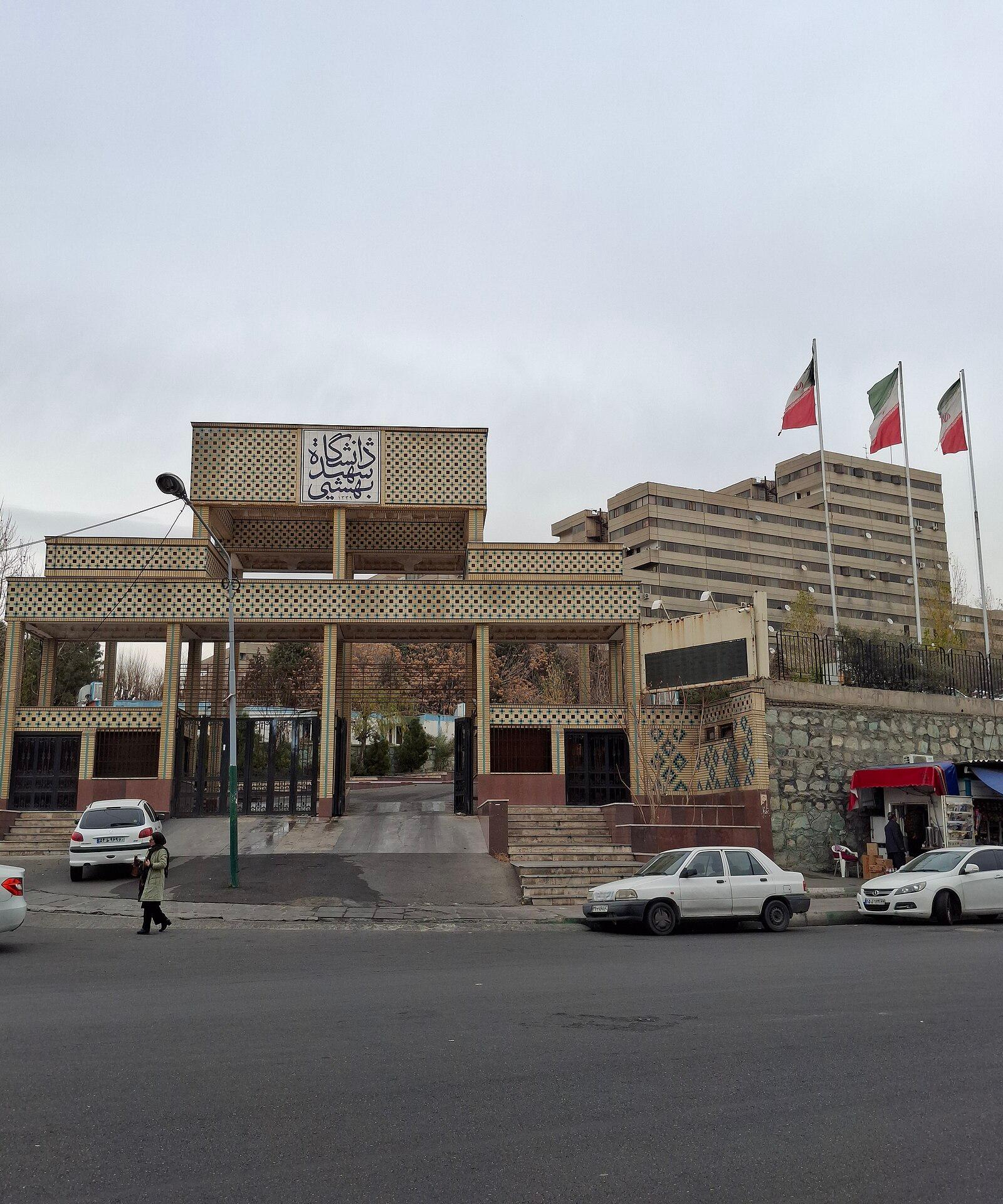
The numbers are unforgiving. Residential vacancy rates across Tehran's central and mid-tier districts have tightened to levels that real estate brokers say they have not seen in at least a decade, with units in neighbourhoods such as Yousefabad and Sadeghieh routinely receiving multiple applicants within 48 hours of being listed. For the city's renting majority, July 2026 has arrived with little relief.
This matters now because the annual lease-renewal season, concentrated between late June and early September, when Iranian rental contracts typically expire under the solar Hijri calendar, is compressing demand into a narrow window. Landlords hold the leverage. Many have pushed asking rents sharply higher ahead of the renewal cycle, leaving tenants who cannot absorb the increase scrambling for alternatives that are equally scarce or more expensive.
The gap between renting and buying has never looked more complicated. A two-bedroom apartment on Vanak Square, one of Tehran's landmark mid-city intersections, was advertised at roughly 85 million tomans per month in late June, according to listings reviewed by The Daily Tehran. The same unit carried a sale price placing the monthly equivalent mortgage payment, at prevailing bank loan rates, considerably higher, assuming a buyer could assemble the required down payment at all. For a young household earning a combined public-sector salary, ownership is not a realistic near-term calculation.
Why Supply Has Failed to Keep Pace
Tehran's housing construction pipeline slowed markedly after 2022, when rising materials costs and tightened project financing pushed developers toward commercial rather than residential builds. The Mehr National Housing Programme, which aimed to deliver affordable units to lower-income buyers through state-backed financing, has struggled with delivery timelines in the Tehran metropolitan area, and completed units have not entered the rental market in any significant volume. The result is a city where the stock of available rental apartments is effectively static even as the population of renters grows.
Districts north of the Chamran Expressway, Zafaraniyeh, Elahiyeh, and the streets climbing toward Darband, remain out of reach for most renters on median incomes, with monthly rents for a two-bedroom unit reported at 200 million tomans and above by multiple brokerage offices. But the pressure has migrated south and west. Areas around Azadi Square and along the Karaj highway corridor, once considered reliably affordable, have tightened substantially. Brokers in the Shahrak-e Gharb area report wait lists forming for mid-range units, something that was rare three years ago.
What Renters Are Actually Facing
The mechanics of Tehran's rental system add another layer of difficulty. Iran's standard rahn-o-ejare arrangement requires tenants to provide a substantial lump-sum deposit, rahn, in exchange for a reduced monthly payment. As asking rents climb, landlords have also increased the required rahn amounts, meaning tenants must arrive with more capital upfront even to access the cheaper monthly-payment structures. Families who locked in favourable rahn terms three or four years ago are now facing contract renewals that demand either a steep increase in the deposit or a sharp jump in monthly rent. Many cannot do both.
The Iranian National Tax Administration's property vacancy tax, designed to push landlords holding empty units into the market, has had a measurable but limited effect in Tehran. Enforcement has been uneven across municipal districts, and the volume of units the policy has returned to active rental supply has not offset the broader demand pressure during peak season.
For renters navigating the July renewal crunch, property advisors and consumer advocacy groups consistently recommend beginning renewal negotiations at least six weeks before contract expiry, well before the peak August scramble, and exploring units in emerging corridors such as the Chitgar district in the northwest, where newer residential stock and marginally lower rents have attracted families priced out of more established areas. Buying remains the longer-term aspiration for most, but with mortgage access restricted and sale prices still elevated across the city, Tehran's rental market will remain a seller's game through the end of 2026 at minimum.
This article is general information only and is not personal financial or investment advice. Consider your own circumstances and seek licensed professional advice before making financial decisions.