wellness
Tehran's Growing Yoga Scene: Find Your Perfect Style Today
From the heated studios of Elahiyeh to the park mats of Mellat, Tehran's yoga scene has never been more varied, or more confusing for newcomers.
How we reported this
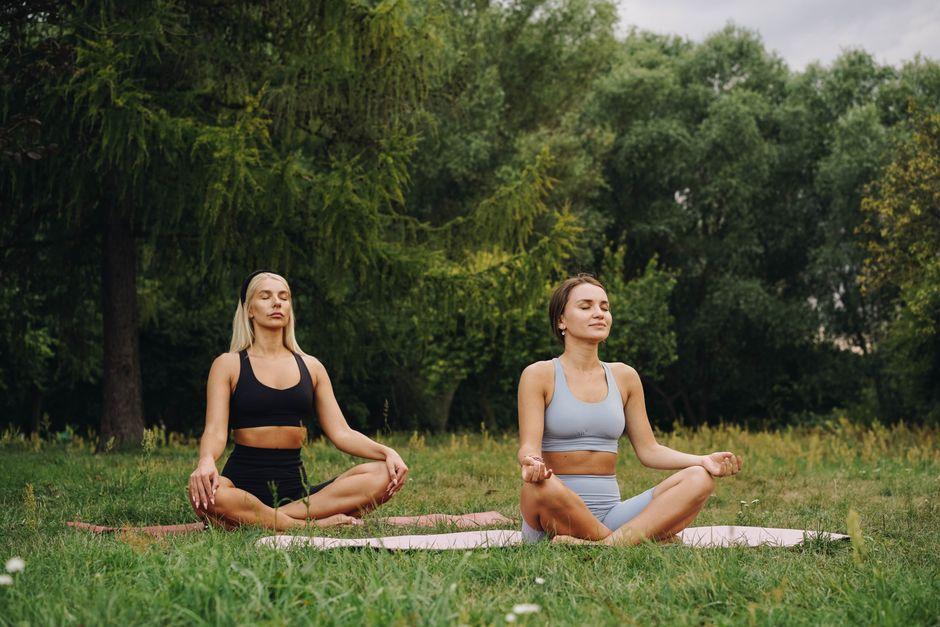
Tehran's yoga studios reported a 34 percent rise in new student enrollments in the first half of 2026, according to figures compiled by the Iranian Yoga Federation in June. The surge has pushed class schedules to capacity at dozens of venues across the capital and left many first-timers paralysed by choice: Hatha, Vinyasa, Yin, Ashtanga, Kundalini, the menu reads like a foreign-language exam.
The timing matters. Persistent urban stress, long commutes on the Chamran Expressway, dense apartment living in districts like Shahrak-e Gharb, and the after-effects of post-pandemic social disruption, has driven a documented spike in anxiety-related complaints at Tehran's public health centres since 2024. Mindfulness-based therapies, including yoga, have moved from niche hobby to something closer to mainstream prescription. The question is no longer whether to roll out a mat, but which practice will actually stick.
The styles, stripped down
Hatha is the entry point. Classes move slowly, hold postures for several breaths, and focus on alignment. The Akhtar Wellness Centre in Niavaran offers 90-minute Hatha sessions every Tuesday and Thursday morning for 850,000 rials, and instructors there describe the style as the right fit for anyone over 40 returning to physical activity, or for people dealing with chronic lower-back tension, a condition affecting an estimated 28 percent of Tehran's desk-working population, per a 2025 survey by the Tehran University of Medical Sciences.
Vinyasa is Hatha's faster sibling. Poses flow from one to the next in sync with the breath, building heat and cardiovascular demand. Studios in Zafaraniyeh and along Valiasr Street north of Tajrish Square have made Vinyasa their flagship offering, typically charging between 1.2 million and 1.8 million rials per month for unlimited classes. It suits people who find stillness frustrating and want the endorphin payoff of a conventional workout alongside the mental reset of breathwork.
Ashtanga is the serious option. A fixed sequence of postures, practised six mornings a week in its traditional form, it demands commitment and physical baseline. The Tehran Ashtanga Shala in Farmanieh runs a Mysore-style program, students move through the sequence at their own pace under instructor supervision, which suits early risers and those with prior athletic training. Expect sore hamstrings for the first three weeks.
Yin operates at the opposite end of the intensity spectrum. Postures are held for three to five minutes each, targeting connective tissue rather than muscle. For anyone carrying chronic stress in the hips and shoulders, a near-universal complaint among Tehran commuters, Yin delivers measurable relief. A 2024 meta-analysis published in the Journal of Bodywork and Movement Therapies found that eight weeks of regular Yin practice reduced self-reported anxiety scores by an average of 22 percent across 14 separate studies.
What to consider before you book
Time of day shapes the choice almost as much as personality does. Energising styles, Vinyasa, Ashtanga, power yoga, work best in the morning or early afternoon. Yin and restorative yoga before sleep are consistent with what sleep researchers call good sleep hygiene; they lower cortisol and prepare the nervous system for rest. Several studios near Mirdamad Boulevard now offer 9 p.m. Yin sessions specifically targeting shift workers and late-office professionals.
Cost is a real variable. Drop-in rates across central Tehran currently run from 600,000 rials for a basic Hatha class to over 2 million rials for specialist workshops. The Mellat Park open-air sessions, organised by the Tehran Parks and Green Spaces Organisation on Friday mornings throughout summer, remain free and draw mixed-level groups to the park's eastern lawn, a useful way to sample movement-based mindfulness before committing to a studio membership.
The practical advice is simple: attend one free or low-cost class in each style before signing a monthly contract. Bodies and nervous systems respond differently, and the best yoga practice is the one a person will actually return to next week. Consult a local physiotherapist or sports medicine physician before starting if you have any existing joint or spinal conditions, Tehran's General Hospitals and private clinics in the Molla Sadra area both offer relevant assessments.