Finance
Gold Surge and Oil Slide Put Tehran Investors in a Bind
A 4.1% spike in bullion and a near-3% drop in crude on the same trading day expose the contradictions at the heart of Iran's investment landscape in 2026.
4 min read
Updated 2 h ago
Finance
A 4.1% spike in bullion and a near-3% drop in crude on the same trading day expose the contradictions at the heart of Iran's investment landscape in 2026.
4 min read
Updated 2 h ago
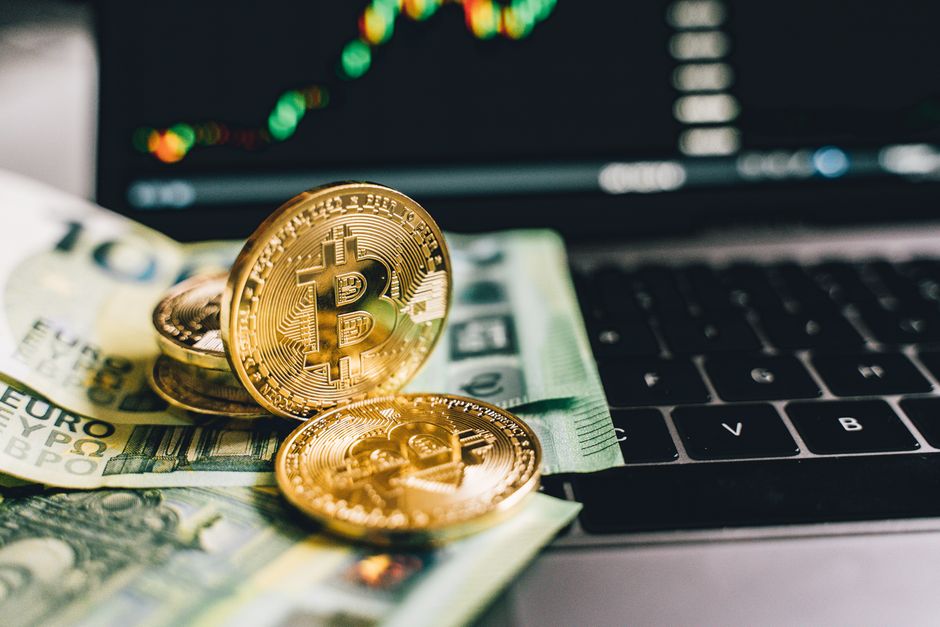
Gold hit $4,187 an ounce on Friday, a 4.1% single-session surge that would normally be cause for celebration in a city where private households have treated the yellow metal as a store of value for generations. But Tehran investors watching the full screen this Fourth of July holiday found little comfort in the number. WTI crude dropped 2.78% to $68.78 a barrel on the same day, a pairing that illustrates the central headwind facing Iran-linked portfolios this year: the assets that offer safety are rising for reasons that signal global anxiety, while the commodity that underpins government revenues is quietly bleeding out.
The rial has faced persistent depreciation pressure throughout 2026, and a stronger euro, up 0.47% against the dollar to $1.1440, compounds the arithmetic. Iranians holding savings in dollars or dollar-denominated instruments watch their purchasing power erode on two fronts simultaneously: a domestic currency under structural pressure and a greenback that is itself softening against major European peers. For anyone with import-dependent business exposure, the first half of this year has been punishing. The cost of capital goods priced in euros has risen in effective rial terms even when the nominal dollar price held steady.
Strip away the noise and WTI at $68.78 is the figure Tehran economists are circling in red. Iran's budget assumptions, rarely published with full transparency but discussed extensively in Majlis sessions earlier this year, were widely understood to lean on oil in the high seventies. The current price sits roughly $8 to $10 below that comfort zone, and the slide this week came despite no significant inventory build or demand shock, suggesting the market is pricing in softer global growth expectations rather than a temporary technical correction. That is harder to trade around than a one-week blip.
Sanctions enforcement patterns, tightened under renewed American diplomatic pressure in the second quarter, have already crimped the volume side of the equation. Price weakness on top of volume constraints is the worst combination for any petro-economy running a fiscal deficit. Tehran-listed petrochemical stocks, which derive feedstock costs and export revenues partly from oil and gas prices, have reflected this squeeze. The sector has underperformed the broader Tehran Stock Exchange index for much of the first half, according to market participants, even as global equity benchmarks have surged. The S&P 500 closed Friday at 7,483, up 1.71%, and the Nasdaq Composite hit 25,833, a 1.87% gain, both driven by artificial intelligence and technology enthusiasm that simply has no direct analogue in Tehran's listed universe.
Bitcoin's 6.66% jump to $62,456 is a data point that a growing cohort of younger Tehran investors will have noted carefully. Crypto adoption among Iranians has accelerated over the past three years as a partial hedge against rial volatility and as a mechanism for cross-border transfers in an environment where conventional banking access is restricted. The rally, if sustained, offers some relief to that segment. But regulators have sent mixed signals about enforcement through 2026, and the legal status of crypto mining and trading remains opaque enough that institutional money has stayed well clear.
The broader global equity rally deserves scrutiny rather than celebration from a Tehran vantage point. The technology-driven gains in New York reflect a specific investment thesis, AI capital expenditure and margin expansion at a handful of mega-cap firms, that is essentially inaccessible to most local portfolio managers. Tehran investors with offshore equity exposure through legal or semi-formal channels are benefiting on paper, but currency conversion back into rials at official rates erases a meaningful portion of those gains. The effective return, once repatriation costs and exchange rate friction are factored in, is considerably lower than the headline index moves suggest.
The gold story is the one genuine bright spot, but even there context matters. Bullion at $4,187 reflects geopolitical risk premiums, concern about US fiscal trajectories and a broad loss of confidence in fiat stability. Those are not conditions that automatically translate into prosperity for gold-holding households in Tehran. If the same anxieties that pushed gold higher also tighten global credit conditions or suppress export demand for petrochemicals, the net effect on the domestic economy could be negative even as the gold price flashes green. Iranian households historically convert a portion of savings into gold coins, particularly the Bahar Azadi coin, and the rally will have boosted nominal wealth in that segment. Whether that wealth is accessible or liquid in any practical sense is a separate and harder question. The second half of 2026 will likely be defined by how long oil can stay below $70 before budget pressures force policy responses that Tehran's private sector will feel directly.
Finance
Finance
Finance
Finance
About this article
Published by The Daily Tehran
Spread the word
Daily brief
Free, in your inbox before 7am. Weekdays.
The Daily Network — local news across Australia