Property
Tehran’s Bagh-e-Fazl: The Suburb Delivering the City's Highest Rental Yield for Investors
While many Tehran districts post strong returns, Bagh-e-Fazl now leads the pack with unmatched rental yields and surging investor interest.
3 min read
Property
While many Tehran districts post strong returns, Bagh-e-Fazl now leads the pack with unmatched rental yields and surging investor interest.
3 min read
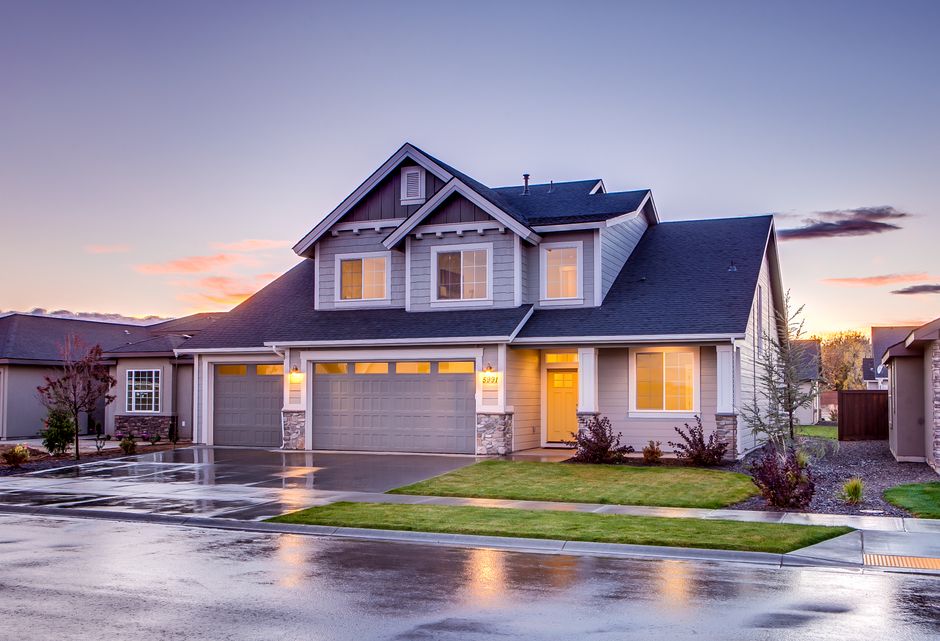
Bagh-e-Fazl, a leafy enclave just east of Sadr Expressway, has clinched the top spot for Tehran’s highest rental yield, The Daily Tehran has confirmed. Fresh figures from Hamgam-e Maskan, the city’s largest property portal, show annual investment returns in Bagh-e-Fazl have climbed to an average of 7.9%—the strongest performance citywide for the year to June 2026.
The rental race has sharpened as buyers hunt for value amid spiraling mortgage rates and a shortage of new stock in Tehran’s core. Access to the growing Golbarg commercial hub, combined with Bagh-e-Fazl’s proximity to top schools like Madreseh-e Fajr-e Danesh, has pulled in a mix of young professionals and middle-income families seeking affordable but central homes.
The district’s rental surge matters for investors calibrating their portfolios after several years of uneven yields across Tehran. While the north’s affluent enclaves—Elahiyeh, Kamranieh—remain popular for capital gains, their rental yields lag behind more accessible areas such as Bagh-e-Fazl and Narmak. The recent uptick in Bagh-e-Fazl also coincides with the municipality’s ongoing Mehr-e Maskan affordable housing initiative, which began adding new apartments along Shariati Street in early 2025. Mohammad Hossein, an agent at Kian Housing, reported on Wednesday that investor inquiries were up 40% compared to last summer.
According to a June survey by Tehran’s Association of Realtors, the average one-bedroom in Bagh-e-Fazl now rents for 54 million toman per month, against an average sale price of 8.1 billion toman. This outpaces the citywide yield average of 5.8% and dwarfs rates in wealthier districts, where larger deposits absorb much of the return. Knight Frank Iran, in its May market update, underlined that rental occupancy in Bagh-e-Fazl sits at 97% for residential units—among the highest in the capital. By contrast, yields in Jordan and Velenjak are currently holding around 5.1% and 4.8% respectively, with longer average vacancy periods.
The rise in Bagh-e-Fazl has not gone unnoticed by major Tehran investors. Sahand Equity Group, which opened a new satellite office on Sorkheh Hessar Road this spring, confirmed it had purchased five apartment blocks in the area since last autumn and plans further acquisitions if yields remain robust through the end of 2026.
Looking ahead, analysts caution that yields in Bagh-e-Fazl could face pressure unless supply keeps pace with demand. Developers, spurred by the lucrative short-term rental opportunities, are already seeking permits along Yekta Street and at the southern edge of Mahallati Park. For buyers weighing a move, experts advise carrying out due diligence on building quality and local zoning restrictions; some streets are subject to new density caps under municipal guidelines rolled out in April.
For now, Bagh-e-Fazl offers landlords the city’s strongest returns and remains Tahlil maskan—a must-watch zone—in Tehran’s fast-evolving real estate landscape. Investors eyeing 2027 will be tracking rents and project completions in this pocket closely, hoping to ride the suburb’s winning streak for another year.
Property
Property
Property
Property
About this article
Published by The Daily Tehran
Spread the word
Daily brief
Free, in your inbox before 7am. Weekdays.
The Daily Network — local news across Australia