Sport
Tehran's Local Sports Clubs Are Turning Neighbourhoods Into Communities
From Tajrish to Ekbatan, grassroots clubs across the capital are pulling in record memberships and rewriting what it means to belong to a Tehran neighbourhood.
4 min read
Sport
From Tajrish to Ekbatan, grassroots clubs across the capital are pulling in record memberships and rewriting what it means to belong to a Tehran neighbourhood.
4 min read

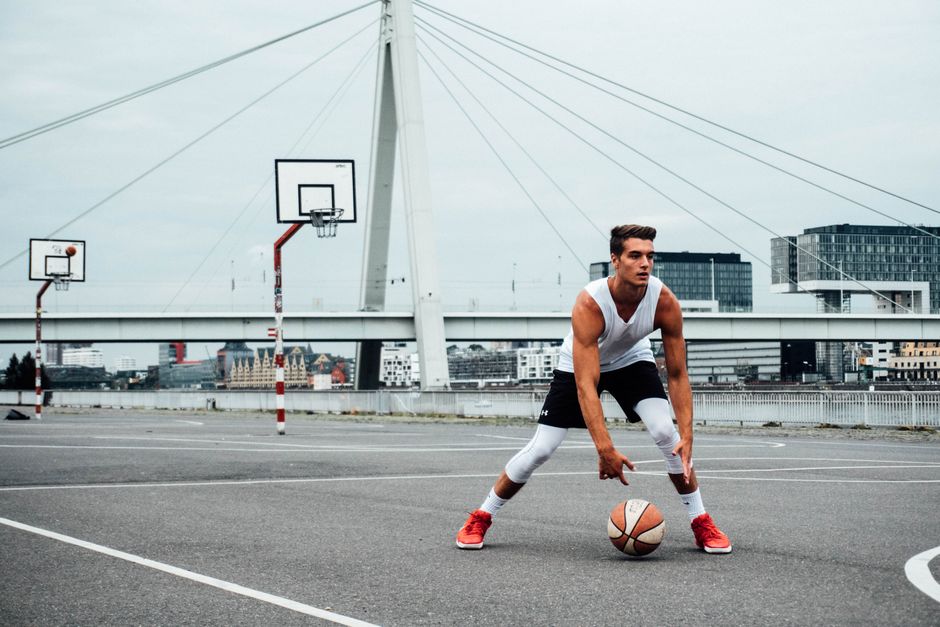
Membership numbers at Tehran's neighbourhood sports clubs have jumped roughly 34 percent in the past eighteen months, according to figures released last week by the Tehran Municipality's Sports and Youth Organisation. The surge cuts across football, basketball, wrestling, and futsal — and it is happening in districts that historically had little organised sporting infrastructure.
The timing matters. With state attention focused heavily on national mourning and political ceremony this week, municipal officials are quietly pointing to grassroots sport as one of the few social programmes delivering measurable results on the ground. Club administrators say the momentum predates the current national mood but that local sport has taken on a particular gravity in recent weeks, drawing people out of their apartments and into shared physical space.
Ekbatan Township in District 5 — that vast brutalist housing complex off the Tehran-Karaj highway — has long been treated as a dormitory suburb rather than a community. That is changing. The Ekbatan Athletic and Cultural Club, operating out of a converted ground-floor retail unit on Phase 3's main boulevard, now runs twelve weekly sessions across five sports. Futsal draws the biggest crowd: 280 registered players as of June 2026, compared with 140 a year ago. The club charges 850,000 tomans per month for adult membership, a fee its administrators describe as deliberately set below the city average to keep the door open for working families.
Further north, in the Tajrish neighbourhood of Shemiran, the Darband Sports Society has spent the past year expanding beyond its original trail-running roots. The society now coordinates with Shahid Chamran Expressway-adjacent parks to run early-morning fitness circuits three days a week, free of charge. On Saturday mornings the turnout regularly exceeds 400 participants. The society's women-only sessions on Tuesdays and Thursdays have a waiting list of more than 60 people.
Neither club receives direct state subsidy. Both survive on membership fees, small corporate sponsorships from local businesses, and — in Darband's case — a modest grant from the Tehran Parks and Green Space Organisation that covers equipment maintenance.
The statistical case is strong. The Tehran Municipality's own survey from April 2026 found that residents who belong to a local sports club report significantly higher satisfaction with neighbourhood life — 71 percent rated their area as a good place to live, against 49 percent among non-members. That gap does not happen by accident. Club coordinators in Narmak, a traditional working-class district in East Tehran, say they deliberately schedule mixed-age sessions so that teenagers train alongside adults in their forties and fifties. It breaks the social segmentation that large cities tend to produce naturally.
In Narmak specifically, the Akhavan Wrestling and Fitness Centre on Delavar Street has been running a subsidised youth programme since September 2025 that covers 120 boys and girls aged 10 to 17. Monthly fees for that cohort are capped at 400,000 tomans, about half the standard adult rate. Waiting lists for places opened in January and already stretch to November.
The city's broader infrastructure is also helping. The completion of the Velayat Sports Complex in District 22 last autumn added eight new courts and a 400-metre outdoor running track to the western edge of the capital, creating a hub around which smaller satellite clubs have begun to organise.
For Tehranis thinking about joining, the practical advice from club administrators is consistent: go in person rather than searching online, because many of the most active neighbourhood clubs have minimal digital presence. The Ekbatan and Narmak clubs both post weekly schedules on local notice boards outside their premises. The Darband Sports Society runs a Telegram channel — currently at 6,200 subscribers — that posts session times every Thursday evening. Registration for autumn 2026 programmes is expected to open across most clubs in mid-August, and coordinators are urging early sign-up given how quickly spots filled last year.
About this article
Published by The Daily Tehran
Spread the word
Daily brief
Free, in your inbox before 7am. Weekdays.
The Daily Network — local news across Australia