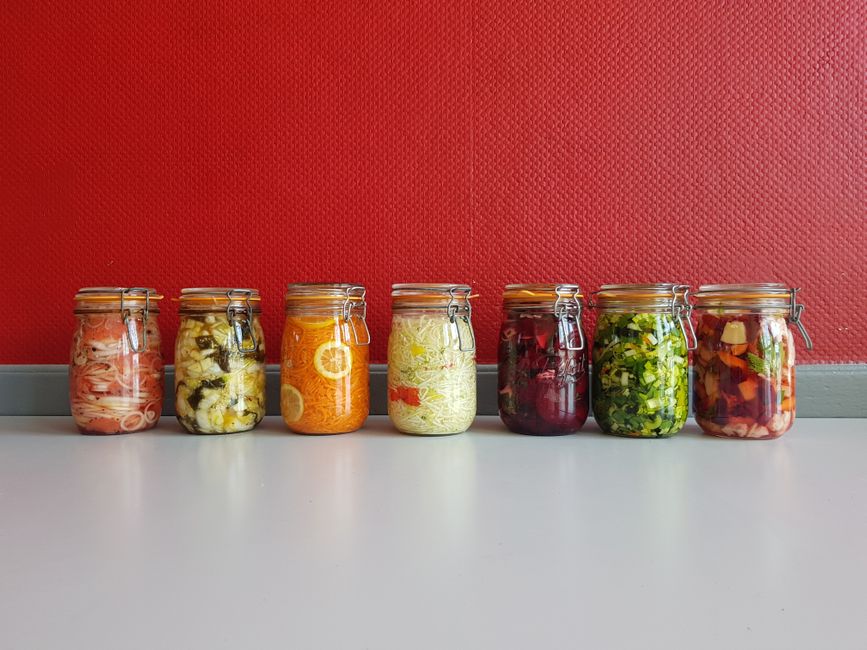
Iranian cuisine has carried a gut-health secret for centuries. Fermented foods — yogurt, kashk, torshi, doogh, and fermented wheat-based kondur — appear at nearly every traditional Tehran table, and nutritionists say the timing of renewed global interest in these staples could not be better for urban Iranians dealing with increasingly processed diets.
The science behind fermented foods moved from niche research into mainstream clinical discussion when a landmark Stanford University study, published in Cell in July 2021, found that a 10-week high-fermented-food diet increased microbiome diversity and decreased 19 inflammatory proteins in participants. Five years on, that research is now shaping dietary guidance in clinics across Tehran's wealthier northern districts, where gastroenterologists at hospitals along Vali-e-Asr Avenue report rising patient consultations about digestive disorders — particularly irritable bowel syndrome and bloating linked to sedentary, screen-heavy post-pandemic routines.
What You Can Actually Buy, and Where
Tajrish Bazaar in Shemiranat remains the most accessible starting point. The covered market — running north from Tajrish Square toward the foothills of the Alborz — stocks fresh homemade doogh from at least a dozen dairy vendors, typically priced between 15,000 and 25,000 tomans per litre depending on the producer. Doogh, a carbonated or still fermented yogurt drink, contains live Lactobacillus cultures when produced traditionally and unpasteurised — a distinction worth asking about before you buy.
Torshi, Iran's sharp fermented vegetable pickle, is another everyday option. The varieties sold at Bazar-e-Vakil-ol-Ro'aya in central Tehran and several specialty grocery stores on Mirdamad Boulevard range from sour grape torshi to seven-vegetable mixes aged for up to two years. Longer fermentation times generally mean higher concentrations of beneficial bacteria, though no Iranian regulatory body currently certifies probiotic content on retail torshi labels.
Kashk — a thick, tangy fermented whey product — is sold both dried and liquid across Tehran's traditional bazaars. Liquid kashk from producers in Yazd and Isfahan reaches Tehran's Enqelab-area dried goods shops, often by Thursday mornings when weekly deliveries arrive from central provinces. A 500-gram container of quality liquid kashk runs around 80,000 to 120,000 tomans at specialty stores in the Niavaran neighbourhood.
Two newer players are worth tracking. Bonyadeh Organic, a Tehran-based food company operating a retail outlet in the Saadat Abad district, began stocking small-batch kefir and cultured butter in 2024, targeting a younger demographic already familiar with the genre through social media. Separately, the Iranian Food and Drug Organization launched a labelling pilot program in March 2025 requiring larger manufacturers to disclose whether dairy fermentation uses live or heat-killed cultures — a distinction that matters enormously for gut health benefits.
How to Build a Daily Habit
Nutritionists working out of clinics in the Elahieh and Zafaraniyeh neighbourhoods broadly recommend the same approach: start small and go traditional. A daily glass of unsweetened doogh with lunch, a tablespoon of torshi alongside dinner, and replacing processed snacks with a small bowl of mast-o-musir — yogurt with fermented wild shallots — provides a reasonable foundation without requiring expensive supplements or imported products.
The fermented foods most likely to deliver measurable benefits are those containing live, active cultures that have not been heat-treated after fermentation. Pasteurised products on supermarket shelves, including many mass-market doogh brands sold in Tehran's chain hypermarkets like Shahrvand and Refah, may not carry the same microbial payload as fresh-made alternatives from the bazaar or artisan producers.
One practical step: ask vendors at Tajrish or the Ghaem grocery cluster on Nelson Mandela Boulevard whether their yogurt or doogh is pasteurised after culturing. Most traditional producers are not, and they will tell you plainly. The answer shapes whether you are buying a fermented food or simply a sour one. That difference, researchers now argue, is the whole point. Consult a nutritionist or gastroenterologist at a clinic near you before making significant dietary changes, particularly if you have existing digestive conditions.