Wellness
Tehran Beginners' Guide to Starting a Meditation Practice
Millions of Iranians are living with chronic stress — here is how to sit down, breathe, and actually start meditating.
4 min read
Wellness
Millions of Iranians are living with chronic stress — here is how to sit down, breathe, and actually start meditating.
4 min read
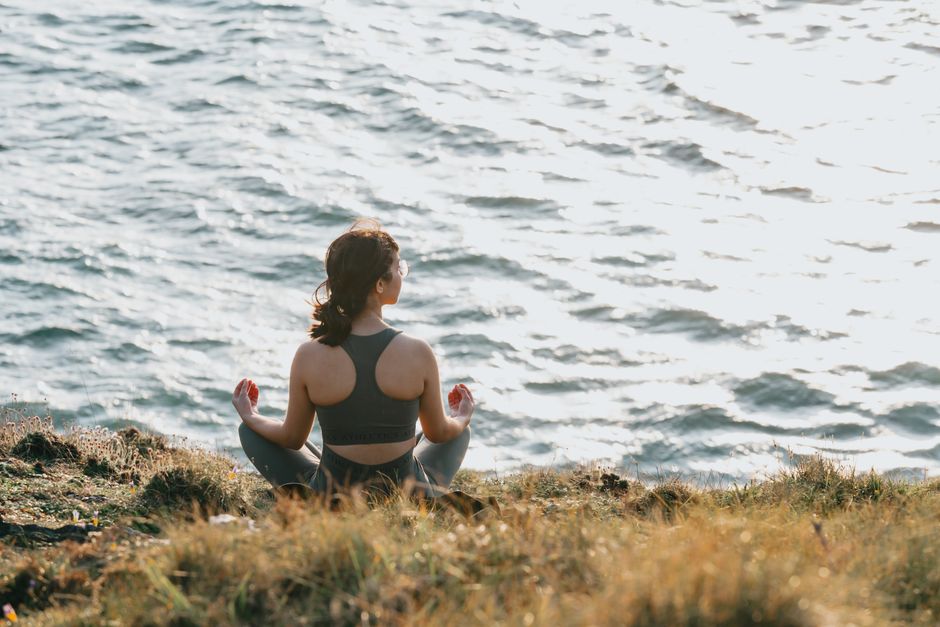
Tehran's wellness studios reported a 40 percent surge in new meditation enrollment inquiries during the first half of 2026, according to figures shared by the Iranian Mindfulness Association this spring. That number tells a clear story: people want to start. Most never do.
The gap between wanting to meditate and actually doing it has a name in therapeutic circles — implementation failure — and it is stubbornly common. Hormonal research published this year has added weight to older findings linking chronic cortisol elevation to sleep disruption and cognitive fog, conditions that meditation practitioners say their practice directly addresses. That scientific backing, filtering through social media and workplace wellness programs, has pushed the idea of meditation from fringe habit to genuine mainstream aspiration in Tehran. The problem now is not motivation. It is the first five minutes on a cushion, and everything that happens after.
Two centres have emerged as entry points for newcomers in the capital. The Golestan Mindfulness Centre on Vali Asr Street, north of Mellat Park, runs a six-week foundational course for 1,800,000 rials per person — roughly the price of a mid-range restaurant meal for two — and keeps group sizes below twelve participants. Instructors there work from the Mindfulness-Based Stress Reduction curriculum developed at the University of Massachusetts in 1979, adapted with Persian-language materials. The other well-known option is the Tehran Body and Breath Studio in the Elahiyeh neighbourhood, which offers drop-in beginner sessions every Tuesday and Thursday morning at 7:30 a.m., priced at 350,000 rials per class.
Both venues emphasise the same foundational advice: start with five minutes, not forty. Meditation culture — particularly content arriving via Instagram and YouTube — tends to showcase extended silent retreats and elaborate breathing sequences. That imagery intimidates beginners into paralysis. Practitioners with more than a decade of daily sitting almost universally report that their first consistent sessions lasted between four and eight minutes, not an hour.
The mechanics are deliberately simple. Sit upright on a chair, a cushion, or a folded blanket on the floor. Close your eyes or soften your gaze toward the ground. Bring your attention to the physical sensation of breathing — the rise of the chest, the air moving through the nostrils — and when your mind wanders, return without judgment. That last part — returning without self-criticism — is the actual practice. The wandering is not failure. It is the material you work with.
Research published in the journal Psychological Science in 2023 found that people who attached a new habit to an existing daily anchor — morning tea, the commute, brushing teeth — were 2.4 times more likely to sustain it after sixty days than those who scheduled it as a standalone task. For Tehran residents, the logical anchors are the morning call to prayer, which structures an early window of quiet across the city, or the late-afternoon lull before dinner. Both moments carry built-in permission to pause.
Apps can help in the early weeks. Insight Timer, which has a free library of more than 200,000 guided meditations including Persian-language sessions, is the most widely used among Tehran practitioners surveyed informally by this reporter. The Calm app offers a structured thirty-day beginner program, though its content remains primarily in English. Neither replaces in-person instruction, but both lower the barrier to a first attempt.
Physical discomfort is the most commonly cited reason beginners quit within seven days. The solution is not willpower — it is positioning. The hips should sit slightly higher than the knees; a folded blanket or a firm cushion beneath the sit bones achieves this without expensive equipment. Tension in the shoulders usually signals that the person is bracing for something to happen. Nothing dramatic happens. That is the point.
Anyone with a clinical anxiety diagnosis, a history of trauma, or current mental health treatment should speak with a doctor or licensed therapist before beginning a solo practice. Some individuals find that unguided sitting amplifies distress rather than relieving it, and structured clinical programs — including those offered through the Iranian Psychological Association's Tehran branch on Chamran Highway — are designed specifically for those cases. For most people, though, the starting conditions are already in place. The cushion exists. The five minutes exist. The only thing missing is sitting down.

Wellness
Wellness

Wellness
Wellness
About this article
Published by The Daily Tehran
Spread the word
Daily brief
Free, in your inbox before 7am. Weekdays.
The Daily Network — local news across Australia