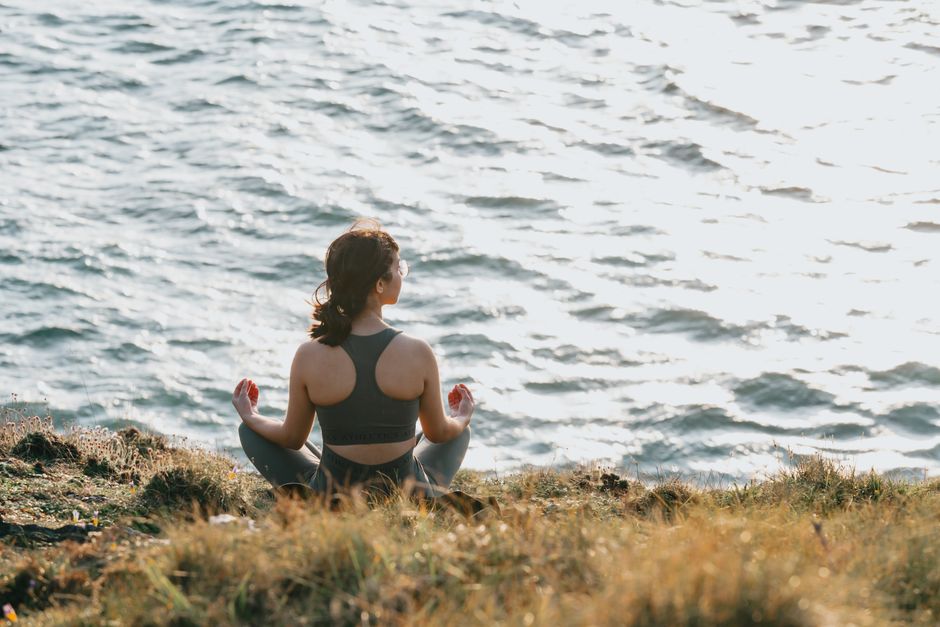
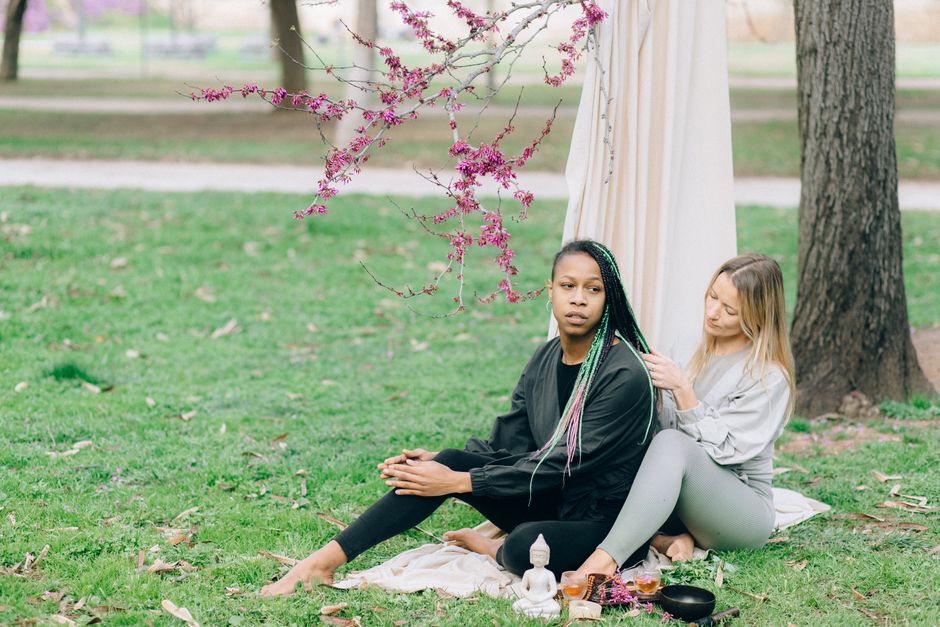
Tehran is a city of 9.5 million people and roughly 9.5 million sources of daily tension. Traffic on the Chamran Expressway. Air quality alerts that closed schools in January 2026 for eleven consecutive days. The economic pressure that has made the rial's purchasing power a running anxiety for most households. Against that backdrop, wellness centres across the capital report that demand for structured mindfulness classes has risen sharply since early 2025 — and instructors say the most common thing they hear from newcomers is the same: they do not know where to start.
That matters because the gap between wanting to meditate and actually sitting down to do it is wider than most people expect. Researchers at the University of Tehran's Faculty of Psychology published findings in late 2024 showing that 61 percent of adults in the capital reported persistent stress symptoms, yet fewer than 8 percent had ever tried any formal relaxation technique for more than two weeks. The will exists. The method is missing.
What the Research Actually Says About Beginning
You do not need a cushion, an app, or forty minutes. That is the first thing to understand. A 2023 meta-analysis published in the journal JAMA Internal Medicine, drawing on data from 18,000 participants across multiple countries, found that sessions as short as 8 to 10 minutes produced measurable reductions in cortisol when practised consistently five days a week. Consistency matters far more than duration at the beginning stage.
The standard beginner framework used by most Tehran-based instructors follows a three-phase model. Phase one — the first two weeks — is simply learning to notice the breath without trying to control it. Sit somewhere quiet, set a timer for eight minutes, and count each exhale up to ten before starting again. When the mind wanders, and it will, return to one without judgment. That is the entire practice. Phase two, weeks three and four, introduces a body scan: moving attention slowly from the crown of the head to the soles of the feet, pausing at any point of tension. Phase three opens into open-monitoring practice, where you sit and observe thoughts as they arise without following them — the technique most closely associated with the mindfulness-based stress reduction programme developed by Jon Kabat-Zinn at the University of Massachusetts in 1979, now taught in adapted form in more than 30 countries.
Where to Find Guidance in Tehran
The Mokashefeh Wellness Centre in the Niavaran neighbourhood, in northern Tehran, runs an eight-week beginner's mindfulness course starting each September and March, priced at approximately 4,200,000 rials per month for two group sessions weekly. The centre has offered modified sliding-scale fees since 2025 for participants who present a referral from a general practitioner.
In central Tehran, the Khane-ye Salamt community health house on Vali-e Asr Avenue — one of the longest streets in the world, running nearly 18 kilometres from the south to the north of the city — offers free weekly drop-in sessions every Thursday evening at 6:30 p.m. as part of its public mental health outreach programme, which launched under Iran's Sixth National Development Plan. Several mosques in the Shemiran district have also begun hosting quiet contemplative sessions framed within a traditional Persian spiritual context, drawing participants who prefer a culturally familiar entry point.
For those who want to start at home before committing to a class, the Persian-language platform Ramz-e Aramesh, based in Tehran, offers a structured 21-day beginner audio course for 850,000 rials, downloadable and self-paced. It covers breath awareness, body scanning, and basic loving-kindness meditation — the sequence that most evidence supports for reducing anxiety in new practitioners.
One practical note worth keeping close: the hardest session is not the first. It is the seventh or eighth, when the novelty has worn off and no dramatic transformation has arrived. Instructors and the research agree on this point. The meditators who build a lasting practice are not the ones who feel immediate calm — they are the ones who sit down again on the days it feels pointless. Pick a fixed time, attach it to something already in your routine, and keep the threshold low. Eight minutes. Every day. Tehran will still be loud outside the window. That, precisely, is the point.
Consult a qualified health professional before beginning any new wellness programme, particularly if you are managing a diagnosed mental health condition.