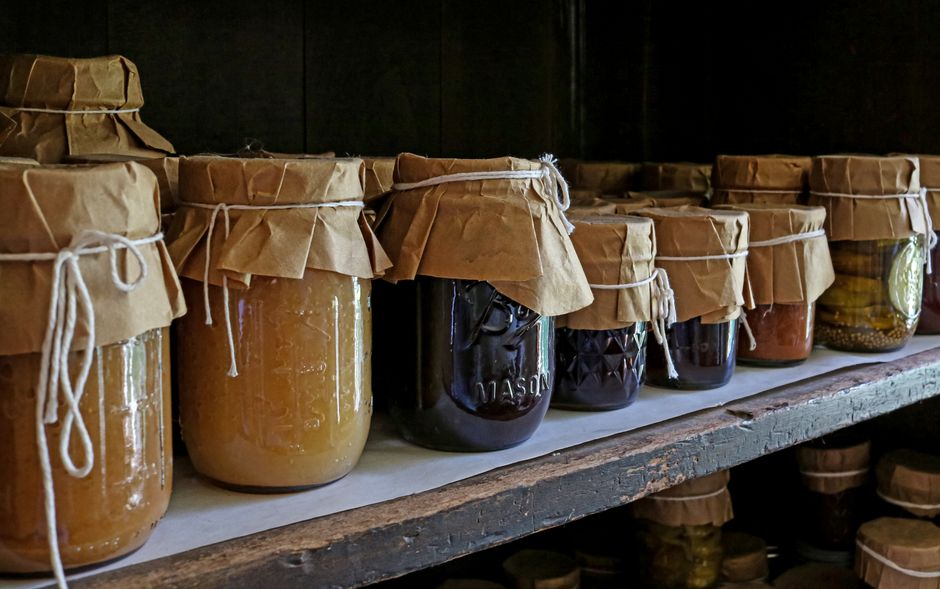
Iran has been fermenting food for roughly 3,000 years. The science explaining why that matters for human health is barely 20 years old. Right now, those two timelines are colliding in Tehran's kitchens — and nutritionists working out of clinics in Vanak and Jordan say demand for guidance on fermented foods has surged noticeably since the start of 1404.
Gut microbiome research has accumulated fast. A landmark 2021 study published in Cell by Stanford University researchers found that a diet high in fermented foods increased microbiome diversity and reduced 19 inflammatory markers over a ten-week period. Microbiome diversity is linked to stronger immune function, better mood regulation and lower risk of metabolic diseases including type 2 diabetes. Iran's own Ministry of Health flagged rising rates of digestive disorders in its 2023 national nutrition report, citing processed food consumption and antibiotic overuse as key drivers. The timing has pushed fermented foods back into mainstream conversation — except Tehranis never really abandoned them in the first place.
What Tehran already does well
Walk through the food hall at Tajrish Bazaar on any Thursday morning and you will find at least a dozen vendors selling doogh, the thin, salted yogurt drink that doubles as a probiotic delivery system. The cultured milk base contains live Lactobacillus strains that survive the gut's acidic environment well enough to colonise the large intestine. A 500ml glass costs around 35,000 tomans from the stalls near the northern entrance. Factory versions on supermarket shelves in Saadat Abad are cheaper but pasteurised — meaning the beneficial bacteria are dead on arrival. The difference matters.
Kashk, the thick fermented whey paste that turns up on kashk-e bademjan, is another underrated local probiotic. The traditional version, sold in ceramic pots at Vakil ol-Dowleh Passage near Naser Khosrow Street, is made from strained, dried yogurt that has undergone extended lactic acid fermentation. Nutritional biochemists classify it as a concentrated source of bioavailable protein and gut-friendly bacteria — two things that most expensive imported supplements also claim to deliver, at roughly eight times the price.
Then there is torshi. Every neighbourhood deli in Tehran carries at least four varieties: turnip, garlic, mixed vegetable, and the dark, vinegary sir torshi made from garlic aged in brine for up to seven years. Fermentation experts note that the long-aged garlic variety contains particularly high concentrations of short-chain fatty acids, which feed the gut's mucosal lining. A 700g jar at the Shahrak-e Gharb Saturday market runs about 120,000 tomans. Imported probiotic capsules offering similar bacterial strains retail for upwards of 800,000 tomans at pharmacies on Vali Asr Avenue.
How to eat more of it — practically
The gap between knowing fermented foods are good and actually eating them daily is mostly habit. A few straightforward strategies help close it. Swap factory-made doogh for fresh-cultured doogh from a trusted vendor — Barij Essence's traditional dairy line, distributed across Tehran's cooperative supermarkets, uses live cultures and does not pasteurise after fermentation. Add a tablespoon of kashk to soups rather than cream. Keep a jar of torshi on the table rather than salt — Iranians historically did exactly this before the mid-20th century shift toward processed condiments.
Kombucha has also arrived. Several small producers operating out of the Tehran Food Innovation Park in Ekbatan District began commercial distribution in early 1403, and their products now appear in specialty grocers along Fereshteh Street. A 330ml bottle costs between 85,000 and 110,000 tomans — expensive compared to traditional options but considerably cheaper than comparable imported brands sold at Hyper Star on Chamran Expressway.
The core message from nutritionists is straightforward: the gut-health aisle at a wellness boutique is largely redundant for anyone with access to a Tehran bazaar. Doogh, kashk, and torshi are not wellness trends. They are the original intervention. Anyone wanting personalised guidance — particularly those managing conditions like IBS or taking long-term antibiotics — should consult a registered nutritionist or gastroenterologist before making significant dietary changes.