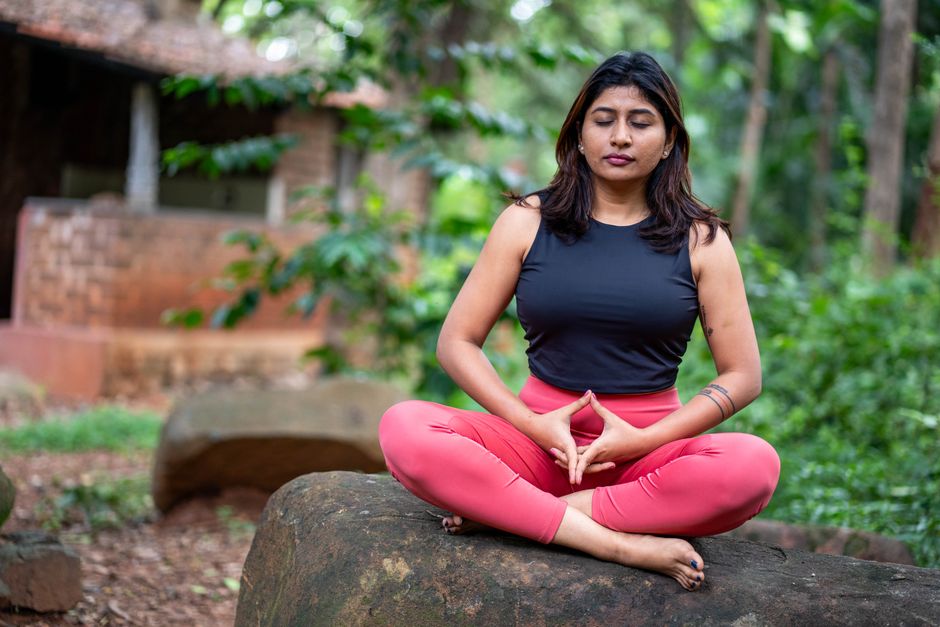
On a clear summer evening, 20 Tehranis gather at the Niavaran Cultural Center for a weekly meditation class, blending deep breathing with panoramic views of the Alborz mountains. This is just one of dozens of new mindfulness options attracting city residents looking for focus and calm amid an ever-present swell of urban anxiety.
Why Mindfulness Is Suddenly Everywhere in Tehran
Tehran is no stranger to stress. According to a 2025 report by Iran Psychology Association, more than 42% of city residents described their stress levels as “very high,” driven by the capital’s rapid pace, traffic congestion, and a shifting economic landscape. With the pandemic’s lingering effects -- and a new wave of university admissions competition this summer -- demand for practical, accessible coping mechanisms has hit record highs. Meditation groups, mindfulness studios, and digital wellness platforms are jockeying to provide relief.
Attention to mental wellbeing isn’t limited to private studios. District 1’s bustling Fereshteh Street now has two dedicated mindfulness centers, including the MahSpace on Yasaman Alley. MahSpace runs daily guided meditation circles (70,000 toman/session), beginner workshops in Farsi, and shiatsu yoga fusion on weekends. Further south, the popular Tehran Mind Oasis inside Velenjak’s Iran Zamin Complex accepts both drop-ins and monthly subscribers. Mind Oasis features Monday lunchtime group meditations (40,000 toman, or about $0.80), English-language breathing clinics for expats, and even evening sessions for teens prepping for the Konkur.
Digital Solutions Catching Up
Not everyone wants a studio commitment. Farsi-language meditation apps are climbing Iran’s iOS and Cafe Bazaar charts. The homegrown Mindful Tehran, launched last autumn, offers 30 guided meditations, sleep soundtracks and a 7-day free trial. More than 60,000 users signed up through June 2026, according to founder Mehrdad Rezaei. Subscriptions are priced at 180,000 toman/month -- about half the cost of in-person classes. Meanwhile, the international favorite Insight Timer, which added a Persian speaker program earlier this year, is now Iran’s second-most downloaded wellness app after Step Counter by VitalStep.
Public universities are also moving in. Since April, Amirkabir University of Technology has run free weekly mindfulness workshops at its main campus off Hafez Avenue; attendance has tripled since classes began. All told, Tehran now offers at least 37 physical meditation groups, according to a May 2026 Life Tehran survey, double the number from mid-2024. The growing scene is especially popular among 18-35 year olds, who, according to IRIB’s social survey, cite “finding mental clarity” as their top wellness priority this year.
Looking ahead, demand is expected to soar over the summer exam crush and fall return-to-work rush. For beginners, experts suggest sampling a drop-in group, such as the Thursday evening Circle at MahSpace, or trying a weeklong challenge through Mindful Tehran’s app. Whatever the approach, the tide of stress isn’t subsiding — but Tehranis now have more concrete, local tools to meet it, block by block or breath by breath.