Wellness
How Temperature, Light and Noise Affect Your Sleep Quality in Tehran
As summer heatwaves and city bustle intensify, experts warn Tehranis to pay close attention to environmental factors sabotaging healthy sleep.
3 min read
Wellness
As summer heatwaves and city bustle intensify, experts warn Tehranis to pay close attention to environmental factors sabotaging healthy sleep.
3 min read

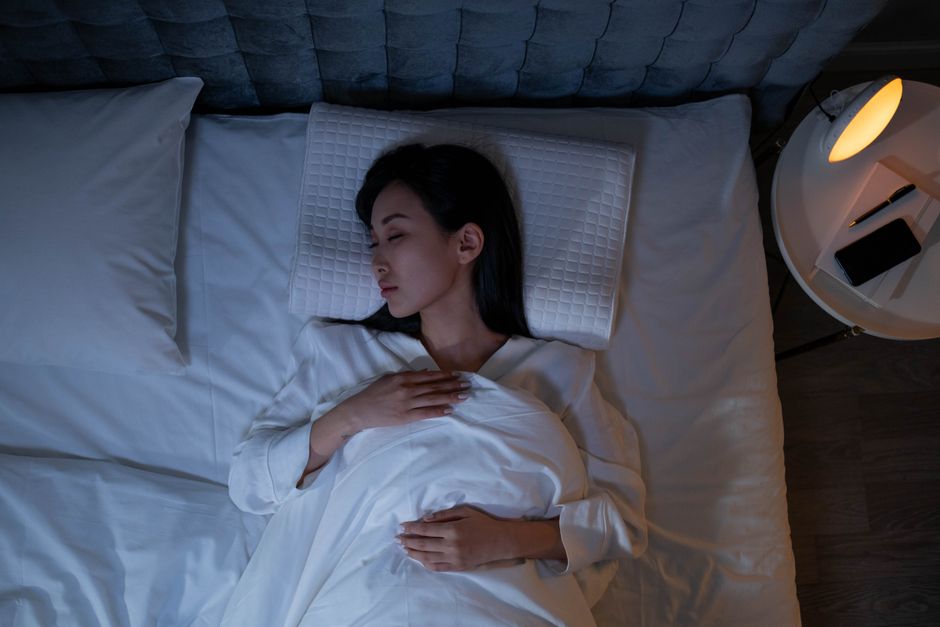
Sweltering temperatures, glaring streetlights and nightly traffic are robbing Tehran residents of restful sleep as the city endures one of its hottest early summers in a decade. New data and local wellness initiatives show that environmental factors—long underestimated—may matter as much as bedtime habits themselves.
This warning comes as sleep clinics across Tehran report surging demand. Irregular sleep can raise risks for heart disease, depression and poor work performance. But for many Tehranis, the challenge is not just late-night phone scrolling or caffeine: it is the building heat, urban lights and mounting noise pollution outside their windows. Dr. Amir Rahimi, who heads the sleep medicine program at Iran University of Medical Sciences (IUMS) near Vali-e Asr Square, told The Daily Tehran that patients routinely report waking up sweaty, restless or startled by honking cars.
In districts like Yousef Abad and the busy thoroughfares of Modarres Highway, night isn’t always peaceful. The air conditioning units at upscale apartment towers on Mirdamad Boulevard struggle to keep bedrooms under 25°C, as power grid warnings limit overnight cooling. Meanwhile, late-night shoppers and taxis keep Saadat Abad’s side streets buzzing into the early hours. Residents of Keshavarz Boulevard have formed neighbourhood chats to swap hacks for blocking noise from motorcycles and light from new LED billboards.
Several Tehran clinics have responded. The Center for Sleep Health on Karimkhan Zand Street now screens all new patients for “environmental sleep disruptors” and offers soundproof curtains starting at 450,000 toman per window. The city government has trialled dimming streetlights after 1 a.m. in select neighborhoods, including parts of Shahrak-e Gharb, but rollout has stalled due to budget constraints and safety concerns, according to a July 2026 report by the Tehran Municipality’s Urban Lighting Division.
Research conducted by Shahid Beheshti University last year found that Tehran households exposed to night-time noise above 55 decibels—equivalent to heavy traffic—report 40% more sleep disturbances than those in quieter districts. Daytime high temperatures, which exceeded 38°C for five consecutive days in June 2026 according to the Tehran Meteorological Organization, force many to run A/C units late into the night. However, even with cooling, scientists say ambient heat takes longer to exit concrete buildings, raising average midnight room temperatures by 2-3°C over nightly lows measured outside.
Light also plays a role. Exposure to artificial light after dusk delays production of melatonin, the hormone that helps regulate sleep. A 2025 survey from the Iranian Sleep Research Society found that 63% of Tehranis said they had trouble falling or staying asleep during the summer, a figure that has climbed steadily since the installation of brighter street and commercial fixtures.
For residents struggling with all three factors, sleep specialists recommend layered solutions: blackout curtains, earplugs or white-noise machines (priced from 350,000 toman at most major electronics stores), and heavy cotton bed linens for better breathability. Simple steps like keeping electronics off an hour before bed, and opening windows only after midnight to catch the evening mountain breeze, can shave minutes off time spent tossing and turning.
Municipal initiatives may expand, but for now the burden of restful sleep in Tehran’s hot, bright and noisy summer nights falls largely on the city’s 9 million inhabitants. Residents seeking tailored advice can consult neighborhood health centers, or find tips from the Tehran Wellness Association’s seasonal sleep seminar series (next session: July 18, Bahar-e Azadi Cultural Center).
About this article
Published by The Daily Tehran
Spread the word
Daily brief
Free, in your inbox before 7am. Weekdays.
The Daily Network — local news across Australia