Wellness
The Sleep Environment Checklist for Better Rest
Tehran's wellness practitioners say the bedroom itself — not just bedtime habits — is where the sleep crisis gets solved.
4 min read
Wellness
Tehran's wellness practitioners say the bedroom itself — not just bedtime habits — is where the sleep crisis gets solved.
4 min read
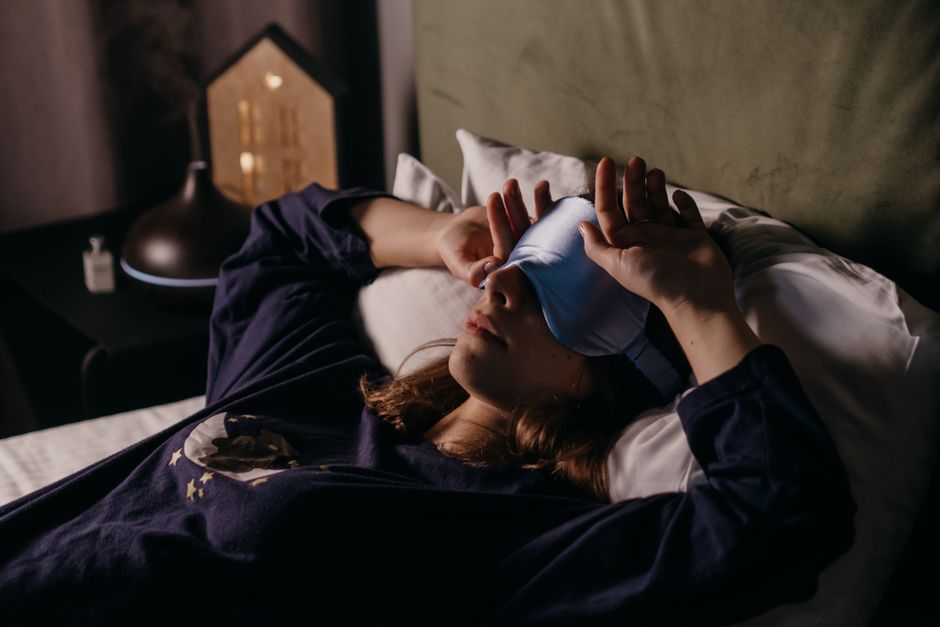
Most Tehranis chasing better sleep are looking in the wrong direction. They download apps, cut coffee, and try melatonin supplements — yet the room itself, where they spend roughly a third of their lives, stays unchanged. Sleep specialists at Tehran's Iranian Sleep Medicine Society have been pointing to environment as the primary lever for years, and the evidence keeps sharpening their case.
The timing matters. July in Tehran means temperatures pushing into the high 30s Celsius, Jordaan-level street noise filtering through thin windows on arterials like Vali-e-Asr Avenue, and the Ramadan-adjacent lifestyle rhythms that still shape many households' evening schedules even in mid-summer. The confluence of heat, light, and urban sound is as hostile to deep sleep as any three-screen scrolling habit. The World Health Organization classifies nighttime noise above 40 decibels as a chronic health risk; central Tehran districts like Yusefabad and Tajrish regularly record ambient street noise in the 55–65 decibel range after midnight.
Start with temperature. Sleep science has converged on a core body temperature drop of roughly 1–2 degrees Celsius as a trigger for sleep onset. In practice, that means bedroom air between 18 and 21 degrees. Tehran's electricity pricing tiers — the subsidised residential rate runs approximately 800 rials per kilowatt-hour under the current Tavanir tariff structure, though summer surcharges apply above a 300-kilowatt monthly threshold — make air conditioning a real household budget consideration. Practitioners at the Mehr Sleep Clinic in Shahrak-e-Gharb recommend blackout curtains paired with a ceiling fan as a cost-effective alternative to running AC through the night; the fan creates a wind-chill effect that can reduce perceived temperature by three to four degrees without the compressor cycling on.
Light is the second variable. Melanopsin receptors in the eye are sensitive to blue-spectrum light well into the evening, suppressing melatonin production for up to 90 minutes after exposure. That means the blue-LED streetlamps installed across Chamran Expressway and much of the Niavaran district since 2023 are not neutral — they penetrate standard curtains and push back sleep onset. A dense blackout lining, available at the textile vendors in Tehran's Grand Bazaar for roughly 85,000 to 120,000 tomans per metre depending on weight, is not a luxury; it is infrastructure.
Sound absorption comes third. Hard floors, bare walls, and minimal soft furnishings — common in Tehran's newer apartment stock in areas like Ekbatan and Shahrak-e-Qods — create reflective acoustic environments. A single wool rug on 60 percent of the floor area reduces reverberation time meaningfully. The Tehran Municipality's 2025 urban planning guidelines for residential construction now recommend minimum acoustic insulation ratings for bedroom walls in newly permitted buildings, but existing stock is unregulated and residents carry the retrofit burden themselves.
Three underestimated variables round out the checklist. First, air quality: particulate matter readings in Tehran regularly breach the 100 AQI threshold on summer evenings, and an unsealed bedroom accumulates pollutants that have been independently linked to fragmented sleep architecture in studies published in the journal Environmental Health Perspectives. A HEPA-grade air purifier, available from Digikala in the 4–8 million toman range, is worth considering for families in higher-pollution districts near the Azadi interchange.
Second, olfactory environment: diffused lavender essential oil at a concentration of 3–4 percent has shown statistically significant effects on slow-wave sleep in controlled trials, including a 2022 study run across 60 participants at Isfahan University of Medical Sciences. Several Tehran pharmacies along Enqelab Street now stock clinical-grade lavender oil specifically labelled for aromatherapy use.
Third — and the practitioners at Mehr Sleep Clinic are blunt about this one — the phone stays out of the bedroom. Not face-down. Out. The bedroom should register as a sleep-and-sex-only space to the brain's associative memory. Every notification, every charging indicator light, every alarm-anxiety loop undermines that conditioning.
None of this requires a renovation. A blackout lining, a thermometer, a rug, and a consistent entry-to-room ritual cost under 2 million tomans combined. The bedroom audit takes one evening. The return — deeper, longer, less fragmented sleep — compounds over months. Residents concerned about persistent sleep difficulties should consult a physician or a licensed sleep specialist rather than self-diagnose; the Iranian Sleep Medicine Society maintains a directory of certified practitioners at its Tehran office in the Mirdamad district.
About this article
Published by The Daily Tehran
Spread the word
Daily brief
Free, in your inbox before 7am. Weekdays.
The Daily Network — local news across Australia