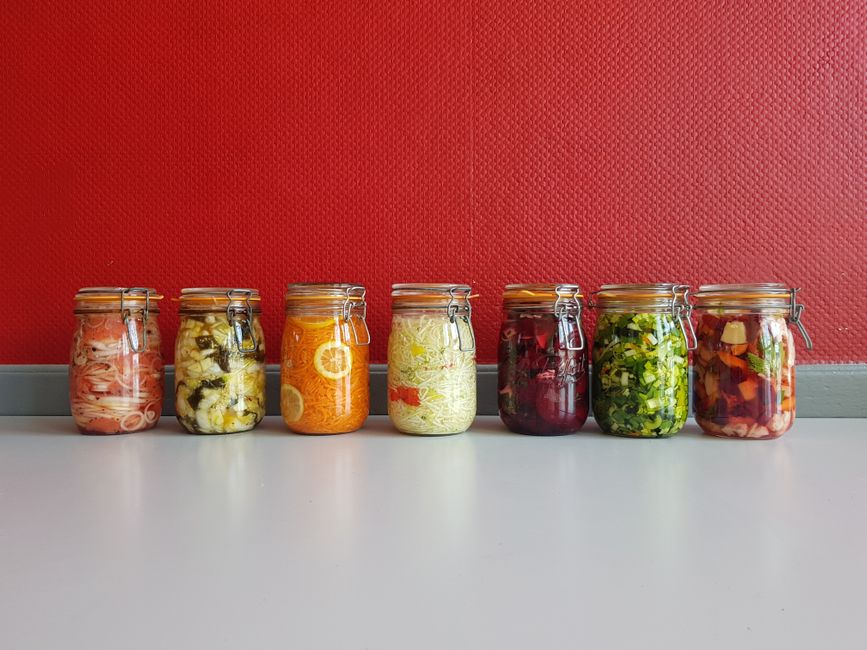
At the weekly Tajrish Bazaar, glass jars of homemade torshi—vinegar-laced pickled vegetables—share shelf space with barrels of tangy doogh and vendors offering their own kombucha-style brews. With the city’s wellness movement showing no signs of slowing, Tehranis are turning to traditional fermented foods for their benefits to gut health and overall wellbeing.
Why Gut Health Now?
Concerns about digestion, stress, and immunity have kept gut health in sharp public focus in 2026. Instagram feeds in Tehran’s Zafaraniyeh and Valiasr neighborhoods overflow with shots of probiotic-rich snacks, DIY yogurt, and classes on fermentation—often advertised by local fitness studios. In a city already steeped in tradition, curiosity is shifting from imported kombucha trends to rediscovering Iran’s own rich fermentation heritage. Nutritionist-run Telegram channels like Tehran Wellness Talk regularly highlight the science behind eating lactic-acid bacteria to balance digestion, improve mood, and potentially boost the immune system.
This surge of interest is not just grassroots. The Tehran University of Medical Sciences launched a research program in spring 2026 studying the relationship between fermented food intake and reduced gastrointestinal issues among adults aged 25-50. “Traditional fermented foods are a low-cost, sustainable way to improve public health,” reads the program’s initial findings summary, shared at the Velenjak Campus Health Week.
Where to Find (and Try) Tehran’s Fermented Classics
On Mirdamad Boulevard, well-established shops like Shourzan sell a full spectrum of pickled delights—torshi seer (garlic), torshi liteh (eggplant, vegetables, spices), and ash-e torshi paste. Torshi prices hover around 150,000 tomans per kilo, depending on the mix and vintage. Over in Shahrak-e Gharb, the organic section at Hyperstar routinely stocks plain kefir (from 80,000 tomans per liter), probiotic yogurts, and both classic and fruit-flavoured doogh. Cafés in artsy Laleh Park are even offering house-made kombucha for about 90,000 tomans a glass—though the taste is still more of an acquired one among locals.
Street vendors near Enqelab Square continue to sell ab doogh khiar, a cold cucumber-yogurt soup that relies on natural fermentation from suzma and yogurt. Meanwhile, more health-focused residents are making large jars of khamir (fermented wheat starter) at home, following recipes handed down by grandparents in neighborhoods like Narmak and Sadeghiyeh.
Good Bacteria, Good Numbers
According to statistics from Iran’s Ministry of Health and Medical Education, probiotic food sales nationwide have jumped 11% since 2024, with most growth concentrated in major metropolitan centres like Tehran. The average Tehran household now buys 3.3 kilograms of torshi and 24 liters of doogh yearly, based on a June 2026 report from the Tehran Chamber of Guilds. Local producers at Tajrish report that since Nowruz, demand for homemade kefir grains has doubled, with a 400-gram culture starter retailing for around 35,000 tomans.
Beyond digestive comfort, researchers at Shahid Beheshti University are reporting preliminary links between regular consumption of lacto-fermented foods and lower rates of reported seasonal illness. While these links are still under active review, the supporting epidemiological data is driving more residents to seek out these age-old kitchen staples.
Your Next Steps: Fermented Food Made Easy
For Tehranis interested in integrating more fermented foods into their diets, nutrition experts at Daneshjoo Park’s community centre recommend starting with small daily portions—such as a tablespoon of torshi at lunch or a glass of doogh alongside dinner. Many local grocery stores and markets now label probiotic-rich products more clearly. And for those who want to learn more, workshops at Darband’s Green Home Café and the Imam Khomeini Relief Foundation’s healthy cooking classes in Yousef Abad focus on easy recipes for homemade yogurt, fermented vegetables, and kombucha basics.
As always, anyone with specific health concerns—especially digestive or immune system conditions—should consult a doctor or local medical professional before making significant dietary changes. But for most residents, adding a dash of tradition to the table could offer both flavour and tangible benefits for the gut.