Tehran's creative class has spent the past two decades building something remarkable in the margins. What began as whispered conversations in cramped studio apartments in Shemiran has evolved into a visible, economically viable arts sector that operates across galleries, performance spaces, and street-level installations throughout the city. This week, as international delegations gather in Tehran for state ceremonies, the local art world continues its own complex negotiation between creative expression and institutional reality.
The timing matters. Global attention on Iran tends to focus on politics and security. But inside Tehran's neighborhoods—particularly in northern districts like Narmak and along Ferdowsi Street—a generation of artists has constructed an alternative cultural economy. These creators navigated restrictions on exhibition space, funding, and artistic subject matter by developing networks that operate with remarkable sophistication. Some work openly with tacit acceptance. Others maintain deliberate ambiguity about their methods and intentions. All of them have helped reshape what Tehran's cultural identity looks like in 2026.
From Hidden Rooms to Legitimate Venues
The trajectory tells itself through physical spaces. Fifteen years ago, artists working in contemporary mediums—particularly those exploring themes of identity, gender, or social critique—depended on private homes and underground gatherings. The Apadana Gallery, which opened on Kianshahr Street in the Sohanak district in 2011, became one of the first venues to operate semi-publicly, testing institutional boundaries. Today, Tehran counts roughly 40 registered contemporary art galleries, though dozens more operate in informal arrangements. Shirin Gallery, which relocated to a converted warehouse in Yousef Abad in 2019, now hosts monthly exhibitions that draw crowds of 200 to 300 visitors without generating headlines.
The shift reflected demographic change. Young Iranians—roughly 60 percent of the population under 30 according to 2020 census data—sought cultural outlets that reflected their actual concerns and aesthetics. They wanted art that didn't require coded interpretation. Theater collectives like Niaya, which performs experimental work in small venues across central Tehran, found audiences hungry for live performance that addressed contemporary urban life. Their 2024 production ran for eight weeks to consistent attendance, an unusual commitment for experimental theater anywhere, let alone in Tehran.
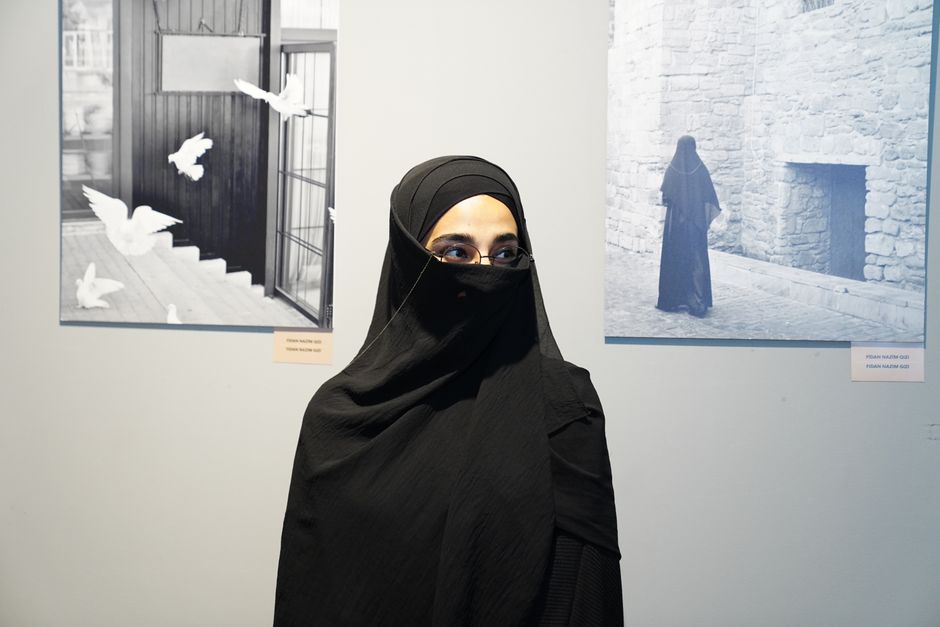
Photography emerged as a particularly resilient medium. The technical skills required made it accessible, while the format's documentary potential appealed to artists interested in social observation. Street photography exhibitions in cafes along Enqelab Street have become routine fixtures. Coffee shop owners now budget for rotating displays of local work.
Economic Reality and Practical Constraints
None of this generates wealth comparable to established professions. A successful painter or photographer in Tehran might earn 50 to 100 million rials annually (roughly $1,200 to $2,400 at current exchange rates) through sales and commissions. Most working artists maintain secondary income sources—teaching, design work, translation. Yet the ecosystem has professionalized. Artist residencies now exist. The Tehran Museum of Contemporary Art hosts annual grants. Young creators can credibly claim arts as a vocation rather than a hobby.
Censorship remains a real constraint. Performance artists have learned where institutional red lines exist through trial and error, sometimes through direct intervention. Exhibition announcements occasionally disappear from social media. A photographer's show about women in public space might be quietly cancelled weeks before opening. These frictions haven't vanished. Rather, artists have developed sophisticated navigation strategies—working with sympathetic curators, building relationships with gallery owners who understand their intentions, structuring work to suggest rather than assert.
Younger artists now entering the scene have inherited this knowledge. They work in a culture where informal networks matter as much as formal credentials, where understanding institutional dynamics is as important as mastering technique. This week's international focus on Tehran creates temporary openness, the kind of moment when cultural delegations visit venues and gatekeepers become momentarily less cautious. Smart curators are scheduling exhibitions accordingly.
If you're seeking entry points into Tehran's contemporary art world, the monthly gallery walks organized by independent curators remain the most accessible route. They're informal, free, and reveal which spaces are currently active. The real scene operates through personal introduction and genuine interest. Show up with curiosity rather than preconceptions, and you'll find working artists eager to discuss what they're making and why it matters to them.