culture
Summer in Tehran: Your Complete Guide to the Best Local Experiences Right Now
From rooftop cinema to gallery openings in Shemiran, here's where to spend your July in the capital.
3 min read
culture
From rooftop cinema to gallery openings in Shemiran, here's where to spend your July in the capital.
3 min read
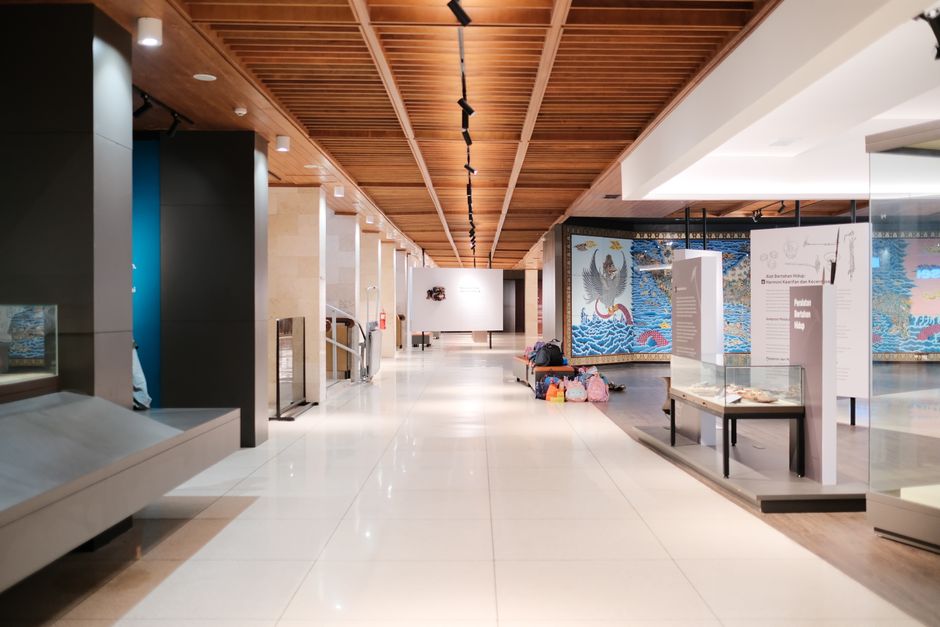
Tehran's summer calendar has rarely looked busier. The heat keeps most residents indoors during daylight hours, but after sunset the city transforms into a sprawling outdoor venue—and galleries, museums, and cultural spaces are banking on it.
Three major exhibitions open this month across the capital's art district, while the city's rooftop cinema circuit has extended hours to catch the evening breeze. The timing matters. International visitors have thinned due to regional tensions, meaning shorter queues at major museums and better table availability at Shemiran's restaurant terraces. Local audiences have the city largely to themselves.
The Shemiran neighbourhood—specifically around Ferdowsi Street and the parallel gallery corridor on Vali-e Asr Avenue—hosts the season's most significant openings. The Aaran Gallery opens a retrospective of ceramics from the Isfahan school on July 8, showcasing 40 pieces spanning 1995 to 2024. Entry runs 250,000 rials, and the gallery stays open until 10 p.m. three nights weekly through September.
Two blocks south, the Golestan Gallery inaugurates a photography series documenting daily life in northern Iranian villages. The show runs through August 31. Both spaces sit within a 10-minute walk of each other—feasible evening territory once temperatures drop below 35 degrees Celsius, usually around 8 p.m.
The Tehran Museum of Contemporary Art on Karegar Avenue remains the heavyweight draw. Its permanent collection of 3,000-plus works includes pieces by Bahman Mohasses and Sohrab Sepehri, Iranian modernists who shaped 20th-century aesthetics. The museum operates 9 a.m. to 5 p.m. daily except Fridays. Admission: 300,000 rials. Afternoon visits feel ghostly—the museum practically empties between 1 and 4 p.m. when sensible people avoid the street.
The rooftop cinema circuit has expanded. Azadi Cinema, located in Pasdaran in south Tehran, projects international and domestic films nightly at 9:30 p.m. The screen sits six storeys up; the air moves. Tickets cost 180,000 rials. They've added capacity this summer—seating grew from 60 to 120 spots—because last July's attendance doubled compared to 2024. By early June, they'd already sold 2,400 tickets for July screenings.
The underground theatre scene remains active but fractious. Several smaller venues in the Vanak district host experimental work, though programming has contracted. One venue director told me plainly that uncertainty about licensing compliance makes scheduling beyond two weeks forward difficult. Still, the Iranian Cinema Society maintains a curated calendar at iransociety.ir—updated fortnightly—listing approved performances and venue details.
For those willing to navigate the current climate, live music venues in Farmanieh operate select evenings. Cover charges run 400,000 to 600,000 rials depending on performer. The scene has contracted from pre-2024 levels, but musicians continue gigging. You'll hear jazz, classical arrangements, and traditional instruments played in intimate basement settings.
Food culture has shifted distinctly toward rooftop dining. Traditional restaurants around the bazaar stay open year-round, but summer dining—kabab and fresh herbs on a terrace overlooking the city as dusk falls—defines the season. Reservations are smart. Places like Zaferania's garden restaurants take bookings three weeks ahead for weekend tables.
Street-level eating remains robust. Tehran's sandwich culture—specifically the noon-panir-sabzi combinations from vendors near universities—hasn't changed. Neither have the tea houses. Café Naderi on Ferdowsi Street, which opened in 1896, keeps the same hours as always: 7 a.m. to midnight. A tea costs 80,000 rials.
Plan around heat and light. Download the Shemiran Gallery app for real-time exhibition schedules. Most venues close Fridays or run skeleton crews. Book restaurants and cinema tickets in advance. Mornings are for indoor museums and air conditioning. Evenings—specifically 8 p.m. onward—belong to you. The city's open if you know when to look.
About this article
Published by The Daily Tehran
Spread the word
Daily brief
Free, in your inbox before 7am. Weekdays.
The Daily Network — local news across Australia