Property
How Much Rent Is Too Much? The 30% Rule in Practice
Tehran's renters are spending upwards of 60% of their income on housing — and the old affordability benchmark has never looked more out of reach.
4 min read
Updated 1 h ago
Property
Tehran's renters are spending upwards of 60% of their income on housing — and the old affordability benchmark has never looked more out of reach.
4 min read
Updated 1 h ago
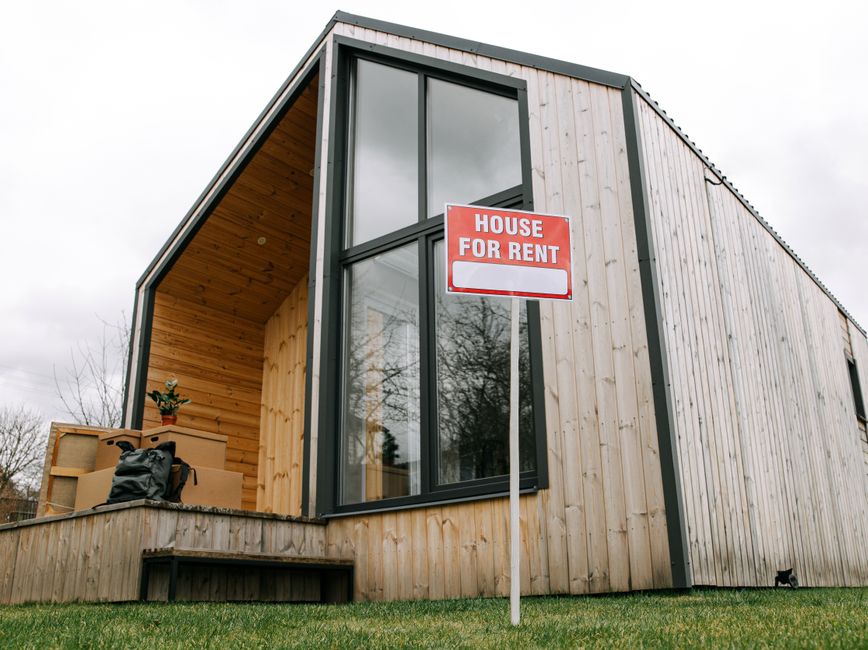
More than half of Tehran's tenant households are now spending at least half their monthly income on rent, according to figures compiled by the Iran Real Estate Consultants Union in its June 2026 market report. The internationally recognised affordability threshold — no more than 30% of gross household income allocated to housing costs — has become a theoretical ideal for most of the city's 4.2 million renter families rather than a practical guide.
The timing matters. With the country's political establishment absorbed by the transition following Ayatollah Khamenei's death and large public gatherings dominating central Tehran this week, the machinery of housing policy reform has slowed to a near-standstill. That vacuum is being felt most sharply in the rental market, where annual lease renewals in districts like Narmak and Shahrak-e Gharb are running at increases of 35% to 50% above the previous year's rates.
The median monthly rent for a 75-square-metre apartment in Tehran's mid-tier districts hit approximately 45 million tomans in the second quarter of 2026, up from roughly 30 million tomans in the same period last year. A household earning the private-sector average wage of around 70 million tomans per month — itself above the legal minimum — must hand over 64% of gross income for that median apartment. The 30% rule would allow them to spend 21 million tomans on rent. The gap is not marginal; it is structural.
In Ekbatan Township, a large planned residential complex in the west of the city that was once considered a model of affordable middle-class housing, estate agents report that even older, less-renovated units are now leasing at 38 to 42 million tomans per month. The complex's residents' association submitted a formal complaint to Tehran Municipality's Housing Affairs Department in May, citing lease renewal notices that violated the government's voluntary rent-increase guidance of 25%. The guidance carries no legal enforcement mechanism.
South of the city, in Yaftabad and the Shad Abad district near the western ring road, smaller units — 55 to 60 square metres — are commanding 28 to 32 million tomans monthly. For families earning below-average wages, that still consumes 50% or more of income before food, transport, or utilities are considered. The Iran Statistics Centre's spring 2026 household expenditure survey showed food and transportation already absorbing another 35% of lower-income budgets in the capital, leaving essentially nothing in reserve.
Some housing economists argue the rent crisis should be pushing tenants toward ownership, but the purchase market offers no relief. A comparable 75-square-metre flat in the Sadeghiyeh neighbourhood is now priced at between 12 and 15 billion tomans. With mortgage products from Bank Maskan requiring a minimum 30% down payment and carrying interest-equivalent rates of around 23% annually under current Islamic finance structures, the monthly instalment alone would exceed 90 million tomans — making the rent, punishing as it is, the lesser burden for most households.
The 30% rule originated in American federal housing policy in the 1960s and was never designed for an inflationary environment like Tehran's, where the rial lost roughly 30% of its value against the dollar in the 18 months to June 2026. Housing economists working with the Urban Development and Revitalisation Organisation have been pushing for a localised affordability index that adjusts the threshold dynamically against inflation and wage data — a proposal that has been in bureaucratic review since late 2024.
For tenants facing lease renewals this summer, the practical advice from Iran Real Estate Consultants Union's Tehran chapter is blunt: negotiate before the contract expires, document every communication in writing, and submit any increase above 25% to the local Housing Courts, which under Article 10 of the Landlord-Tenant Act retain jurisdiction over disputed renewals. Filing does not stop the increase automatically, but it establishes a legal record. In the Shahid Beheshti judicial district office on Mofatteh Avenue, staff confirmed this week that filing volumes for rent disputes are up approximately 40% compared to July 2025. The 30% rule may be a benchmark, but in Tehran right now, it reads more like a reminder of what affordability used to mean.
Property
Property
Property
Property
About this article
Published by The Daily Tehran
Spread the word
Daily brief
Free, in your inbox before 7am. Weekdays.
The Daily Network — local news across Australia