Property
How Much Rent Is Too Much? The 30% Rule In Practice
Tehran's renters are feeling the squeeze as housing costs outpace incomes, prompting a closer look at the affordability benchmark
3 min read
Property
Tehran's renters are feeling the squeeze as housing costs outpace incomes, prompting a closer look at the affordability benchmark
3 min read
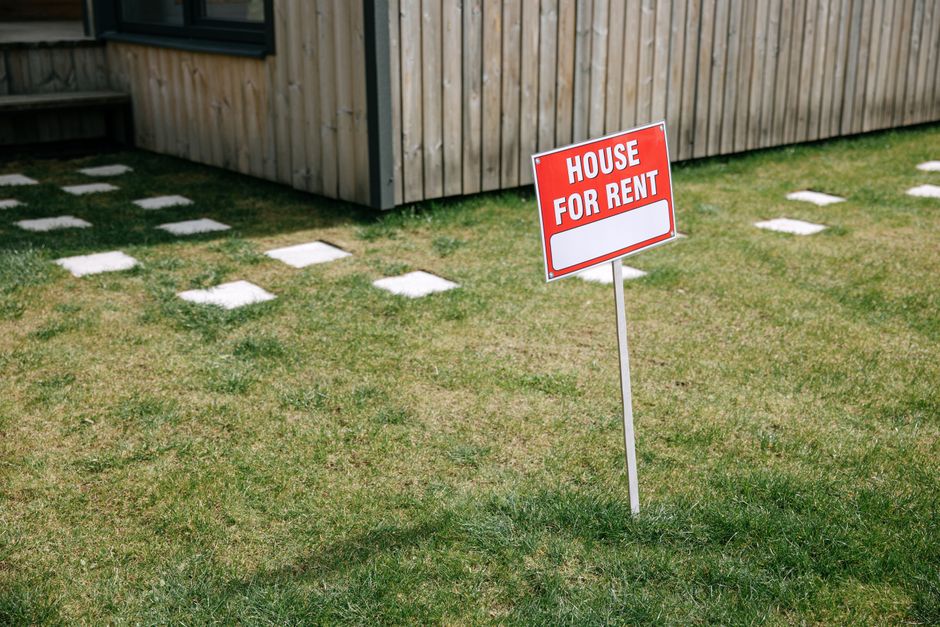
In Tehran, 45% of renters spend more than 30% of their income on housing, according to a recent survey by the Tehran Municipality's Housing Department.
This matters now because the city's dynamic real estate market is showing no signs of slowing down, with prices rising by 15% in the past year alone. As a result, many renters are struggling to make ends meet, and the 30% rule - which suggests that housing costs should not exceed 30% of income - is being put to the test. The rule is a widely accepted benchmark for affordability, but in practice, it can be difficult to apply, especially in a city like Tehran where housing costs are high and incomes are often unpredictable.
In neighborhoods like Vanak and Elahieh, where many young professionals and families live, the rent burden is particularly acute. For example, a one-bedroom apartment on Gandhi Street in Vanak can cost upwards of 50 million tomans per year, which is roughly 40% of the average annual salary in Tehran. Similarly, in the upscale neighborhood of Zaferanieh, a three-bedroom apartment on Valiasr Street can cost over 100 million tomans per year, which is more than 80% of the average annual salary. Organisations like the Tehran Housing Association and the Iran Housing Foundation are working to address the issue, but so far, their efforts have had limited success.
According to data from the Central Bank of Iran, the average rent for a one-bedroom apartment in Tehran is around 25 million tomans per year, which is roughly 20% of the average annual salary. However, in many neighborhoods, rents are much higher. For example, in the trendy neighborhood of Darakeh, the average rent for a one-bedroom apartment is over 40 million tomans per year, which is roughly 30% of the average annual salary. As of June 2026, the Tehran Municipality's Housing Department reported that the city's rental vacancy rate was just 2.5%, which is the lowest it has been in over a decade.
So what happens next? For renters, the key is to carefully consider their budget and prioritize affordability when searching for a place to live. This may involve looking for apartments outside of the city center, or considering shared housing options. For policymakers, the challenge is to find ways to increase the supply of affordable housing, whether through subsidies, tax incentives, or other measures. One potential solution is the Tehran Municipality's new affordable housing program, which aims to provide subsidized housing to low- and middle-income families. The program, which was launched in March 2026, has already received over 10,000 applications, and is expected to provide housing for over 5,000 families in the next year.
Property
Property
Property
Property
About this article
Published by The Daily Tehran
Spread the word
Daily brief
Free, in your inbox before 7am. Weekdays.
The Daily Network — local news across Australia