Property
Build-to-Rent Developments Gain Traction in Tehran as Housing Affordability Tightens
Purpose-built rental apartments are changing options for Tehran tenants facing record property prices and stagnant incomes.
3 min read
Property
Purpose-built rental apartments are changing options for Tehran tenants facing record property prices and stagnant incomes.
3 min read
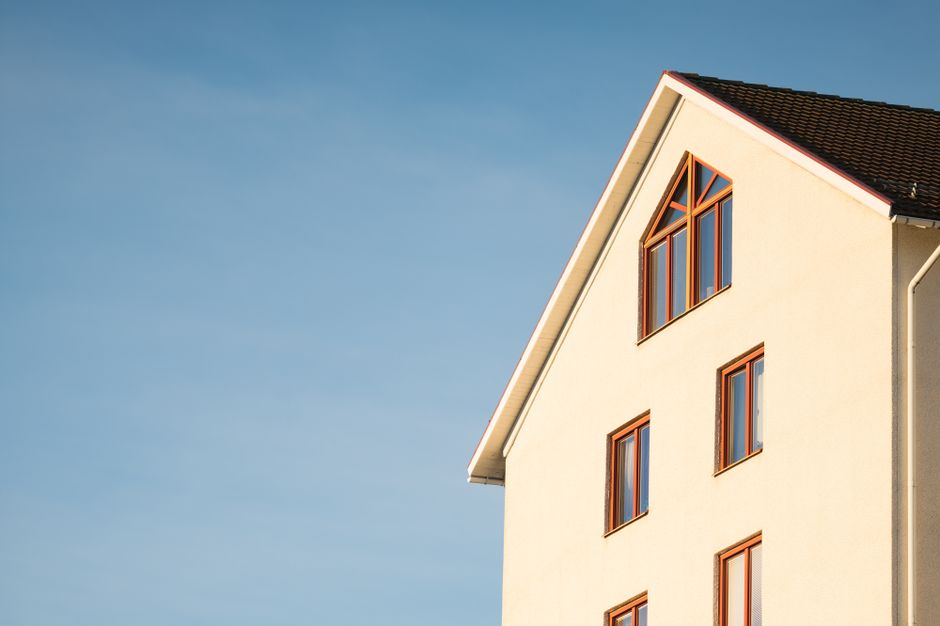
Rents across central Tehran have jumped more than 35% since last summer, and a wave of new build-to-rent (BTR) apartment towers is now offering tenants a different trade-off: long-term leases, premium amenities, but at a higher monthly cost compared to older units. The city’s first major BTR schemes, concentrated in areas like Shahrak-e Gharb and Pasdaran, are leasing up quickly as renters struggle to afford both down payments and soaring home prices.
The timing is critical. Since the rial’s slide in late 2025, mortgage rates from Tehran’s state banks have shot above 26% APR, while average sale prices for a two-bedroom in Niavaran rose to 115 million tomans per square metre in June, according to figures from the Road and Urban Development Ministry. That puts the cost of buying even a modest family flat out of reach for all but the most affluent. The National Iranian Tenants’ Union now estimates it takes almost 18 years of average household income to save a 30% deposit in north Tehran—nearly double what it was in 2020.
The surge in demand for rental housing has not gone unnoticed by developers. Omran Tehran, backed by Saderat Bank, completed a 160-unit BTR project just off Yadegar-e-Emam Expressway in May. Tenants there sign three-year leases, benefit from on-site management, a shared gym, underground parking, and even a child care centre on the mezzanine floor. “These buildings are a world apart from the old 1970s walk-ups in Enghelab or Vanak,” said a sales agent at a major city broker. “But you’re paying a premium for the services and stability.”
Typical monthly rents at BTR towers hover around 80 million tomans for a 110-square-metre two-bedroom unit in Shahrak-e Gharb—25–30% higher than a similar-sized apartment in an older block on Motahhari Avenue, according to listings reviewed by The Daily Tehran. Utility and maintenance fees are usually bundled, further lifting monthly costs, but tenants avoid Iran’s notorious annual rent spikes and get guaranteed renewal options. The city’s largest complex, Aramesh Residences near Chamran Highway, has a 400-person waitlist as of July, with its rooftop garden, coworking spaces and café cited as major attractions.
But local analysts warn that BTR is not a panacea for Tehran’s squeezed middle. "The base rent is out of reach for most clerical and teaching families," said a consultant from Eghtesad Housing Research. "Still, for younger tech workers in Sa’adat Abad or expats on assignment, these leases are a viable, stable alternative to hunting for a new place every August." Data from Divar and Sheypoor shows overall rental listings in central districts have stagnated even as BTR occupancy soars—suggesting continued pressure on affordability overall.
Thanks to the city’s new rent control directive, traditional month-to-month rents in Tehran will face a 25% statutory cap this year, but enforcement remains patchy outside a handful of well-known agencies in Jordan and Vali-e Asr. For would-be homebuyers, banks like Maskan are forecast to keep lending strict, making down payments a towering hurdle short-term. Prospective movers in 2026 must weigh the stability and amenities of a BTR lease—where units typically come with new appliances and access to communal services—against more affordable, if less predictable, options in Tehran’s older apartment stock. For many, the decision will come down to how much certainty they can afford in a tight market increasingly defined by trade-offs rather than easy wins.
Property
Property
Property

Property
About this article
Published by The Daily Tehran
Spread the word
Daily brief
Free, in your inbox before 7am. Weekdays.
The Daily Network — local news across Australia