Property
Tehran’s Renters Face Squeeze as Regional Cities Offer Alternatives
Comparison of Tehran’s rental costs with those in provincial cities reveals widening affordability gaps—and shifting migration trends.
3 min read
Property
Comparison of Tehran’s rental costs with those in provincial cities reveals widening affordability gaps—and shifting migration trends.
3 min read
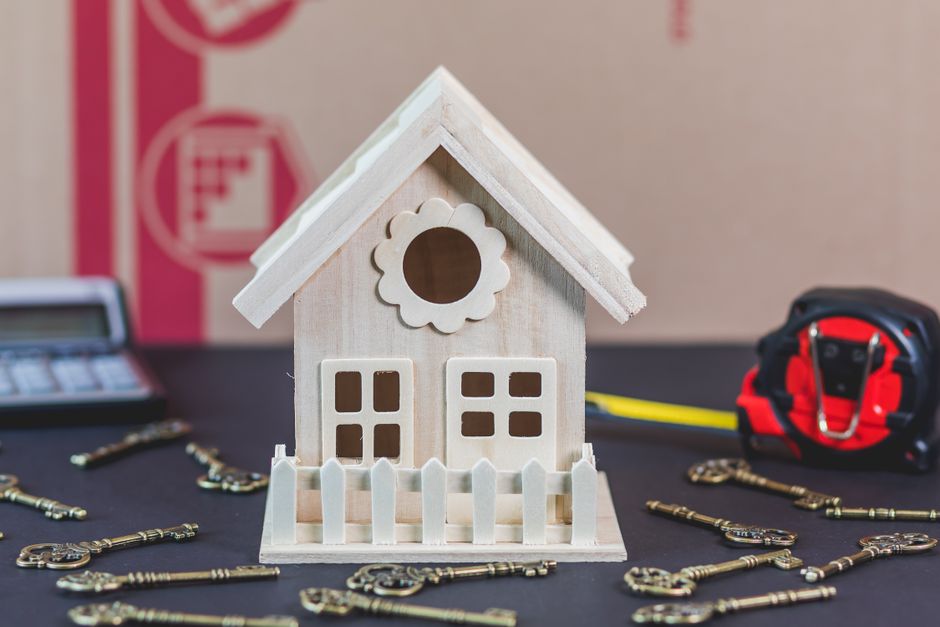
Average rents for a one-bedroom apartment in central Tehran have reached 85 million tomans per month, nearly double the price seen in cities such as Tabriz and Rasht, a new report from the Iranian Real Estate Association (IREA) shows. With supply tightening in the capital and wages lagging, an increasing number of tenants are looking outside Greater Tehran for relief.
Rising rents in Tehran come as the city absorbs further pressure from inward migration—aggravated by new restrictions on mortgage access announced in May by Bank Maskan. This matters acutely now as the city’s economic class divides widen in the wake of the Supreme Leader’s funeral, which brought a fresh surge of arrivals—and pressure on already-limited urban housing stock. For newly arrived job seekers and young families, especially around Valiasr Street and Enghelab Square, rental affordability has become a dominant concern.
Despite a modest slowdown in property prices earlier this year, today’s rental market remains stubbornly expensive. According to data collected by local agency Saadat Abad Real Estate on July 1, monthly rents in upmarket Saadat Abad or Niavaran rarely fall below 120 million tomans for family flats, while in outer districts such as Pirouzi or Kan the lowest offers hover around 45 million. In comparison, a similar-sized unit in Mashhad’s Ahmadabad or Shiraz’s Ghasrodasht neighbourhoods costs 35 to 50 million tomans per month. These differences are drawing attention from workers in Tehran’s tech sector and university graduates, many of whom are considering remote work or inter-city commutes to stretch their budgets further.
The IREA’s June 2026 nationwide survey of over 13,000 properties found the rent-to-income ratio in Tehran now exceeds 43% for first-time renters, up from 37% at the same point last year. In cities such as Esfahan and Yazd, the ratio is between 28% and 32%. The increase is sharpest in central Tehran’s District 6, where proximity to business centres like Azadi Avenue continues to push prices upward. In contrast, Kermanshah, which saw a 16% year-on-year rise in rental listings after recent quake recovery efforts, offers more breathing space for renters with average rates under 30 million tomans per month.
Purchasing remains a remote dream for most: figures released by Bank Maskan confirm that the down payment for a small flat in Tajrish is now upwards of 2.5 billion tomans. This explains the sustained demand for medium-term and long-term leases, along with rising use of housing cooperatives in suburban Parand and Pardis, where new government-backed apartments are being constructed as part of the Maskan-e Mehr expansion.
For Tehran residents struggling with rent hikes, practical options are limited. Tenant unions in Sadeghiyeh and Shahrak-e Gharb have advised members to negotiate lease terms before September, when analysts expect another round of rises ahead of the school year. Meanwhile, regional cities will likely see further demand as Tehrani renters weigh proximity against price. With gaps widening each month, the trade-off between capital city living and regional affordability is set to define the housing conversation for the rest of 2026.
Property
Property
Property

Property
About this article
Published by The Daily Tehran
Spread the word
Daily brief
Free, in your inbox before 7am. Weekdays.
The Daily Network — local news across Australia