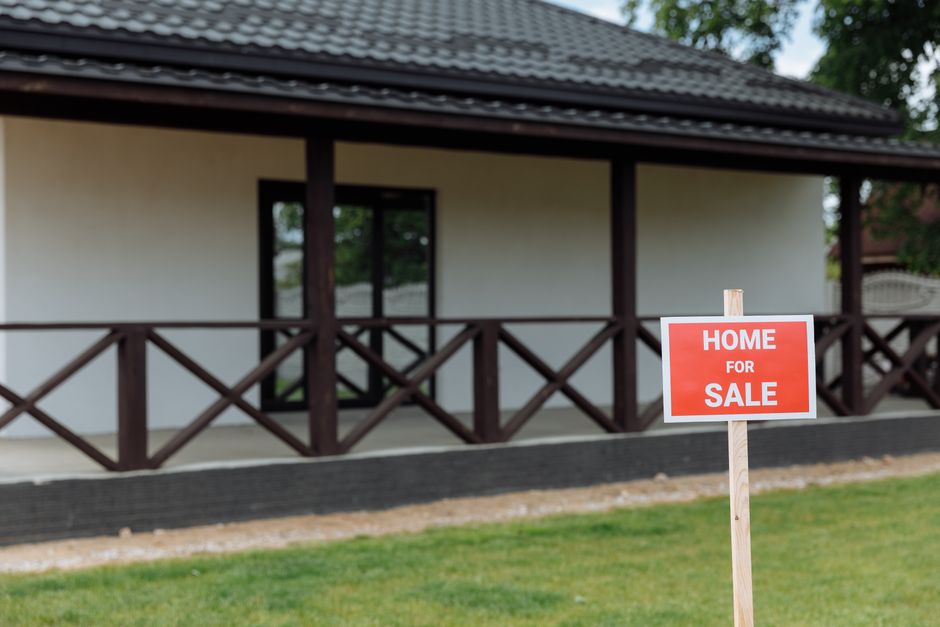
House prices across Tehran have jumped 19% year-on-year, while apartment units have edged up just 7% in the same period, new figures from the Tehran Board of Realtors reveal—a gap drawing sharp lines between buyers in the capital’s most sought-after districts.
The divergence comes at a precarious moment. With the mourning period for Iran’s late Supreme Leader disrupting normal business routines, families are weighing home-buying decisions in the face of economic jitters and inflation concerns. For sellers and developers, the house-unit split is now central to pricing strategy in an already unpredictable market.
Districts in Focus: Upscale Houses Rise, Inner-City Units Lag
On familiar streets in Shahrak-e Gharb and the leafy lanes of Elahieh, standalone house listings are drawing outsize attention and rapid bids. In Shahrak-e Gharb, detached homes are listed above 740 million tomans per square meter, with brokers reporting updated offers every few days. Meanwhile, in denser apartment-rich districts like Narmak and Tehranpars, buyers find little movement: many one- and two-bedroom units sit unsold for months, advertised at 410–430 million tomans per square meter—a modest uptick over last year but often below sellers’ expectations.
The property services platform Beman24 recorded just 430 successful apartment unit transactions last month citywide, compared to over 1,200 sales in the house category. ‘Deed registration for apartment units in June fell to its lowest in two years, possibly due to both lifestyle and speculative factors,’ said Navi Bank’s recent residential sector report.
What the Data Says
According to the June 2026 data from Tehran’s Central Real Estate Registration Office, the median price for a detached house in District 1 surged to 820 million tomans per square meter—a full 21% leap from June 2025. Conversely, the median price for apartment units in the same district was 450 million tomans per square meter, up just 5% year-on-year. The spread is wider in District 3: houses average 720 million tomans, apartments 410 million. Across the city, unit transaction volumes have slipped 15% year-on-year, with brokers pointing to younger buyers’ hesitation over economic uncertainty and limits on mortgage access.
Meanwhile, developers in the Fereshteh and Niavaran corridors have slowed new unit project launches. The local branch of the Iran Construction Syndicate reports pre-sales of villa-style homes are booked through next year, but mid-rise apartments struggle to fill showrooms. Affordability pressures and changes in family size preferences are both factors, analysts suggest.
For prospective homebuyers, the message is clear: detached homes are seeing outsized demand and could see further premium growth, particularly in western and northern corridors. But anyone considering an off-plan apartment in central or eastern Tehran should negotiate hard and research vacancy rates. With the city’s political and economic climate set for continued volatility after July, timing and location remain critical. As always in Tehran property, fortunes can turn quickly—and the house vs unit gap bears close watching into autumn.