Property
How Much Rent is Too Much? Tehran's 30% Rule Becomes a Relic
With average rents now consuming nearly half of monthly salaries, a generation of tenants faces an impossible choice between housing and solvency.
3 min read
Updated 2 h ago
Property
With average rents now consuming nearly half of monthly salaries, a generation of tenants faces an impossible choice between housing and solvency.
3 min read
Updated 2 h ago
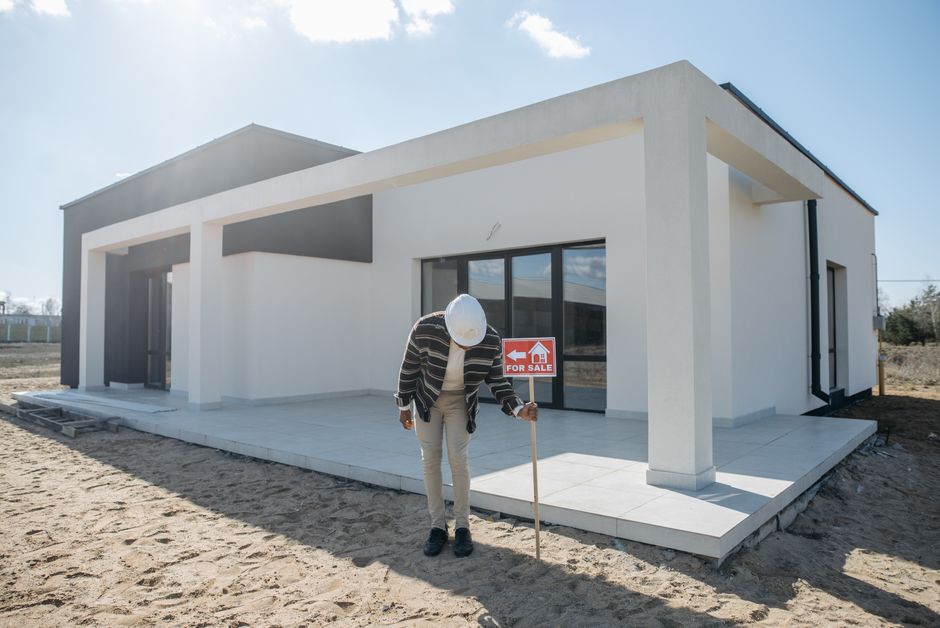
The average renter in Tehran now spends nearly half of their income on housing. This stark reality renders the long-held financial guideline—that rent should not exceed 30% of pay—a distant memory for millions of households across the capital.
This affordability crisis is intensifying at a moment of profound national uncertainty. As the city observes the first days of mourning for Ayatollah Khamenei, major economic decisions are on hold, fuelling a risk-averse climate that pushes would-be buyers into an already overcrowded rental market. With long-term financial planning clouded by political transition, the immediate and relentless pressure of monthly rent payments has become the primary economic concern for a majority of Tehranis.
The math is unforgiving. Data compiled from listings on major platforms like Divar and Sheypoor shows the average monthly rent for a modest 75-square-metre apartment in a mid-range neighbourhood has climbed to approximately 25 million tomans. For a household earning the average monthly income of around 50 million tomans, this single expense consumes a full 50% of their pre-tax earnings, leaving little for transportation, food, and other necessities. The pressure is felt unevenly across the city; a similar flat in northern Sa'adat Abad can easily command 60 million tomans, while one in a working-class area near Sadeghiyeh Square might still cost 30 million tomans, far beyond the reach of a single-income family.
Government attempts to control the spiral have fallen short. The Central Bank of Iran instituted a 25% cap on rental increases last year, a policy renewed for 2026. In practice, landlords frequently bypass the regulation. They demand a higher “rahn,” the large, refundable security deposit that is a unique feature of the Iranian rental system. By increasing the rahn by hundreds of millions of tomans, they can legally offer a lower monthly “ejareh” (rent) while still extracting more capital upfront, a move that penalizes tenants without significant savings.
Faced with this reality, tenants are forced into a difficult financial calculation. Those with access to capital are increasingly opting for full-rahn agreements, where a massive deposit—often billions of tomans—eliminates monthly rent payments altogether. This strategy, however, requires immense liquidity that most young professionals and families simply do not have. For the majority, the only viable options are to downsize or move out. Many are now looking to satellite cities like Parand and Karaj, accepting punishing daily commutes on the Tehran Metro in exchange for manageable housing costs. For those determined to stay in the capital, the hunt is on for apartments under 60 square metres, a sector of the market now seeing the most ferocious competition.
Property
Property
Property
Property
About this article
Published by The Daily Tehran
Spread the word
Daily brief
Free, in your inbox before 7am. Weekdays.
The Daily Network — local news across Australia