Property
Narmak Edges Toward Rezoning: Tehran Suburb Draws Investor Attention
Long seen as a sleepy corner of east Tehran, Narmak is suddenly atop developers’ lists as city officials weigh new mixed-use rules.
3 min read
Updated 1 h ago
Property
Long seen as a sleepy corner of east Tehran, Narmak is suddenly atop developers’ lists as city officials weigh new mixed-use rules.
3 min read
Updated 1 h ago
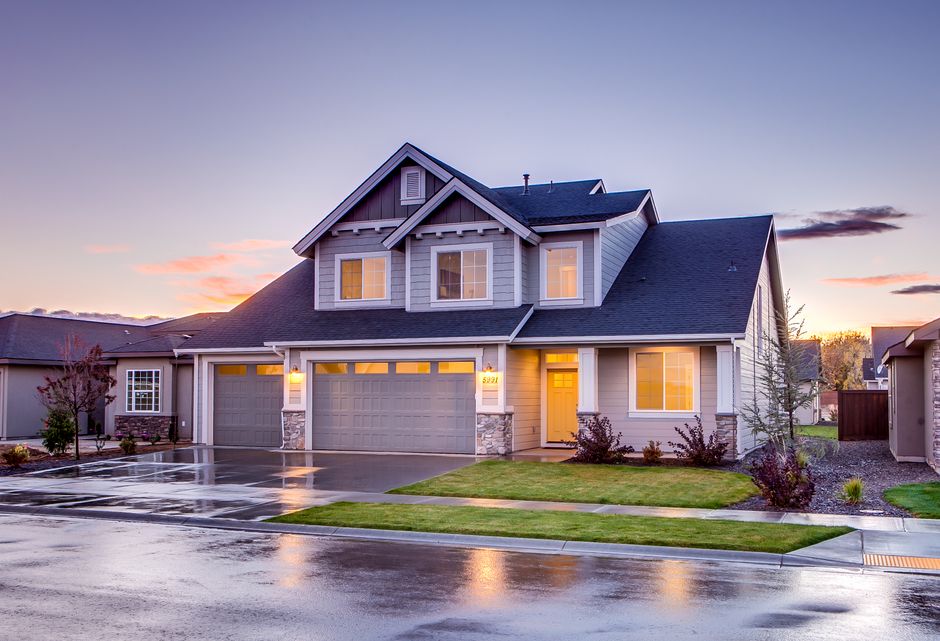
Narmak, an often-overlooked neighbourhood in northeast Tehran, is on the brink of a significant transformation as the Tehran City Council prepares to vote on a rezoning proposal later this summer. If approved, the measure would expand permitted uses for residential properties along main corridors such as Ayatollah Madani Avenue and Hajjarian Street, opening the floodgates for new commercial developments and mid-rise apartment complexes.
The pending rezoning could not come at a more pivotal moment. Real estate prices across the capital have jumped over 28% in the past year alone, according to Tehran Municipality’s June 2026 property index. Central and northern neighbourhoods like Velenjak and Mirdamad remain out of reach for many first-time buyers and small business owners. The expected rezoning of Narmak is already sparking speculative interest among investors hungry for less saturated markets within Tehran’s municipal limits.
Narmak is best known for its distinctive layout of numbered squares—Meydan Ha-ye Narmak—such as the bustling Meydan 68, home to a clutch of kebab shops and the struggling family-run Chaharbagh Cinema. The area, bounded by Resalat Expressway and Farjam Street, has long avoided the spotlight. Schools like Daneshmand High School and the Imam Reza Health Clinic anchor the neighbourhood, which has traditionally prided itself on quiet, leafy streets and affordable housing stock.
But that reputation is shifting. Rezoning would allow existing single-family lots within 200 meters of Ayatollah Madani Avenue and the main entrances to Shahid Madani Metro Station to rise as high as eight stories, compared to the current cap of four. That change—and the prospect of street-level commercial uses—has brought Tehran-based developers like Arya Novin Real Estate and Mahan Construction to quietly begin acquiring properties throughout Narmak, especially within a 500-meter radius of Resalat Square.
According to Tehran’s June real estate report, published by the Tehran Urban Research and Planning Center, average land prices in Narmak climbed from 540 million tomans per square meter in 2025 to 700 million tomans in May 2026. That 30% spike outpaces most other eastern Tehran districts. The council’s draft proposal, released on June 28, estimates rezoning could add another 2,300 housing units and between 52,000 and 64,000 square meters of retail space by 2029, if passed.
Ali Taheri, a local developer and secretary of the Tehran Builders’ Circle, says interest at recent open houses along Hajjarian Street has doubled since the details emerged. The trend is being closely watched by both longtime homeowners and renters facing the ongoing citywide affordability crunch.
While no date is officially set, council members told The Daily Tehran the rezoning vote could take place as early as August 20. If successful, early investors in Narmak could benefit from both rising property values and commercial rental yields. However, newcomers are urged to consult with experienced Tehran property attorneys and check the municipality’s website for updates on planning restrictions. For now, the sleepy suburb’s days in the shadow look numbered.
Property
Property
Property
Property
About this article
Published by The Daily Tehran
Spread the word
Daily brief
Free, in your inbox before 7am. Weekdays.
The Daily Network — local news across Australia