property
Tehran Residents Rent Expensive Areas, Invest in Affordable Outer Districts
With purchase prices in Zafaraniyeh hitting 400 million tomans per square metre and rental yields quietly climbing in outer districts, a growing number of Tehran households are separating where they sleep from where they invest.
How we reported this
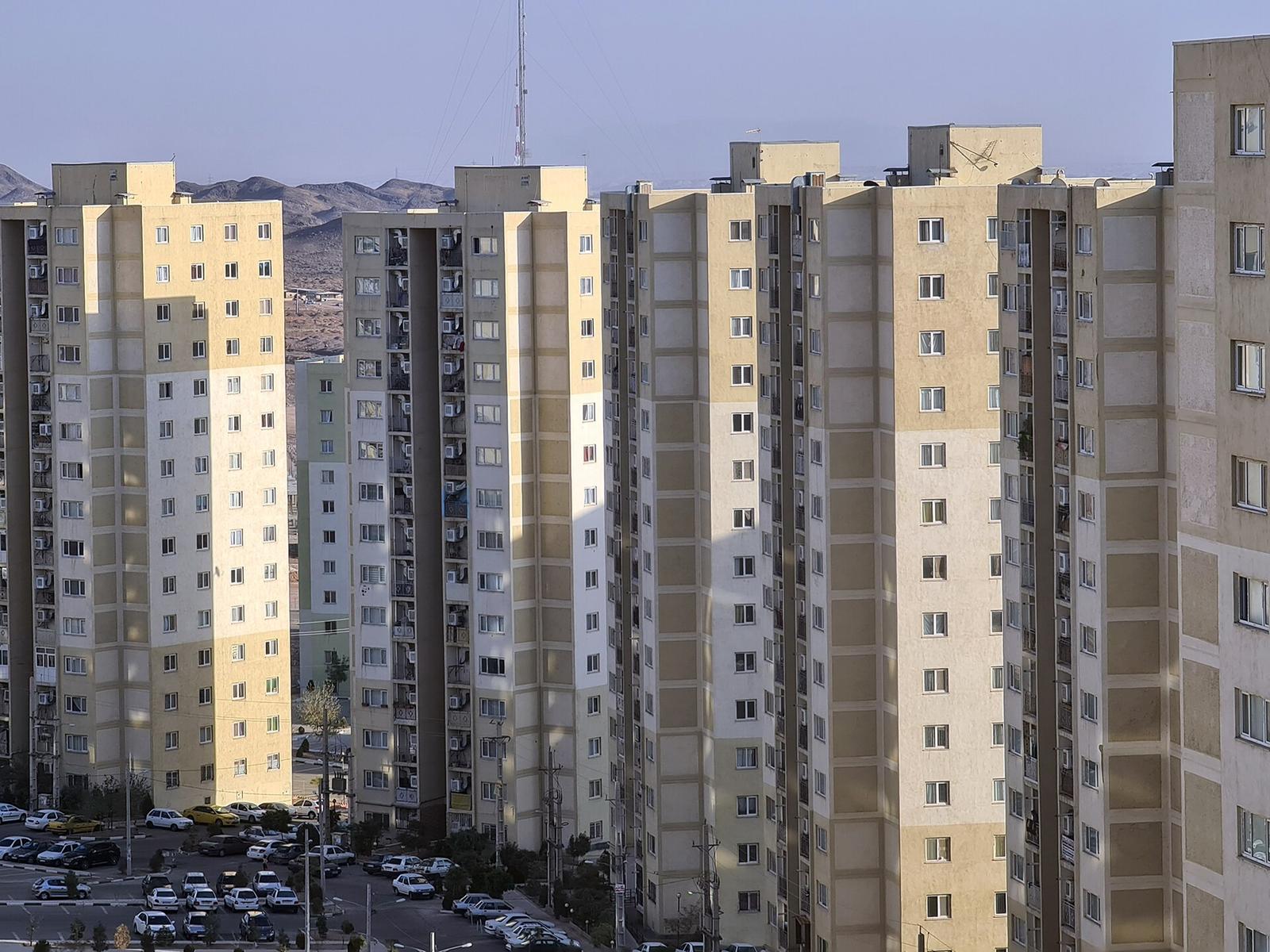
The numbers stopped working for buyers in central Tehran roughly two years ago. A 90-square-metre flat in Elahiyeh now lists above 35 billion tomans. The same money rented in Narmak, Tehranpars or Shahrak-e Gharb covers a comfortable apartment and still leaves capital free to place elsewhere. That gap, between what ownership costs and what renting costs, is the engine behind a strategy property advisers are increasingly calling rent-vesting, and it is reshaping how middle-income families in the capital think about wealth.
The moment matters for a specific reason. The country's attention this week is fixed on the funeral of Ayatollah Khamenei and the political uncertainty that follows a transition of supreme leadership. Historically in Tehran, political inflection points compress transaction volumes as buyers wait and sellers hold. That pause, analysts say, creates an unusually clean window to assess the rent-versus-own equation before the next price cycle begins. The Central Bank of Iran reported in its spring 2026 bulletin that residential property prices across Tehran rose 38 percent year-on-year in the twelve months to March 1405, faster than headline inflation for the same period, pricing out a significant share of first-time buyers.
How Rent-Vesting Actually Works in Tehran
The logic is straightforward. A household that cannot afford, or chooses not to buy, in their preferred neighbourhood rents there instead and purchases an investment property in a district where yields are healthier and entry prices are lower. In Tehran's current market that typically means looking south and east. Districts 4, 8 and 15, areas centred around Tehranpars Avenue, the Resalat Highway corridor and Piroozi Street, still offer two-bedroom units between 4.5 and 7 billion tomans. Rental yields in those zones are running at roughly 6 to 7 percent annually, compared with 2 to 3 percent in the premium northern band stretching from Jordan Street to Farmanieh.
The Moshaver Amlak Association, which represents licensed property advisers in Tehran, has tracked a 22 percent rise in investor inquiries from tenants, people who already rent their primary residence, since the start of 1404. Many approach advisers holding the equivalent of a 30 to 40 percent deposit on a modest unit, enough to enter Districts 4 or 8 outright with a Maskan Melli mortgage covering the remainder. The Maskan Melli programme, administered through Bank Maskan, offers loans up to 1.5 billion tomans at subsidised rates for qualifying applicants, though waitlists in mid-2026 stretch to eighteen months in some branches.
The Trade-Offs Are Real
Rent-vesting is not a clean arbitrage. Tenants in Tehran carry genuine exposure to landlord decisions, rent hikes, non-renewal of contracts, even with the one-year lease protections codified under Iran's 1377 tenancy law. A rent-vestor renting in Saadat Abad while owning in Tehranpars is essentially long two markets simultaneously: the income from their owned unit must reliably cover enough of the northern rent to make the spread worthwhile.
Tax treatment adds complexity. Iran does not currently levy a comprehensive capital gains tax on residential property, which works in the investor's favour on exit. But the 2025 vacant-property tax, targeting units left empty for more than six months, means rent-vestors must keep their investment property tenanted to avoid penalties that can reach 3 percent of assessed value annually.
The practical advice from property desk analysts at firms like Rah-e-Saadat Consulting on Vali-e-Asr Avenue is to run the numbers over a five-year horizon, not one. If a buyer enters District 4 today at 5.5 billion tomans, history suggests that asset will not underperform a northern rental arrangement over that period, even accounting for the management overhead of being a landlord from a distance. What the strategy demands above all else is discipline: the rental income from the owned property goes back into the asset, not into lifestyle spending. Those who have treated it that way since 2020 are, broadly, ahead.
This article is general information only and is not personal financial or investment advice. Consider your own circumstances and seek licensed professional advice before making financial decisions.