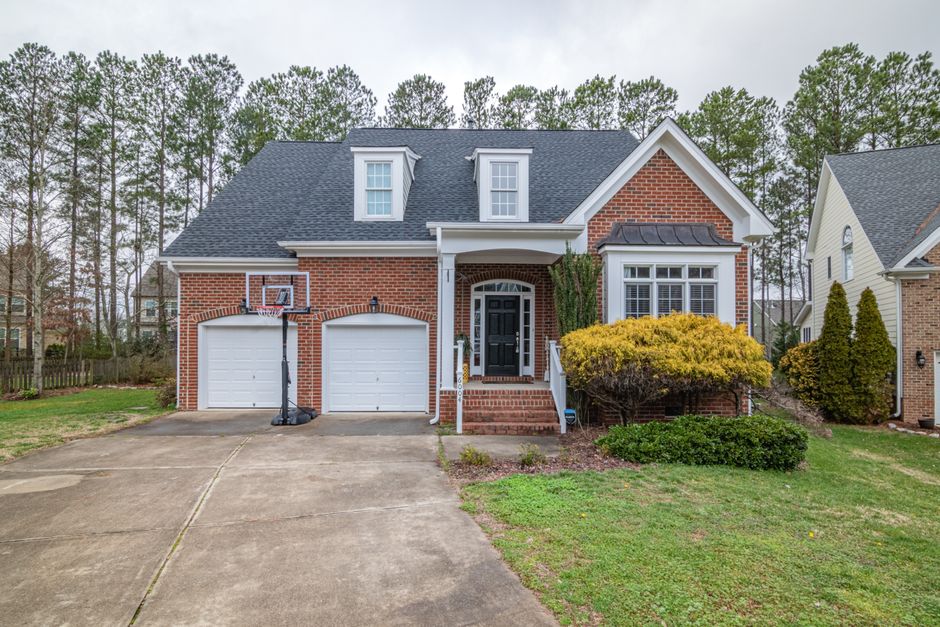
Renting a two-bedroom apartment in Elahiyeh costs roughly 180 million tomans a month. Buying an equivalent unit in the same neighbourhood—if you can find one under 25 billion tomans—would saddle you with monthly mortgage repayments closer to 420 million tomans at current bank lending rates. The gap is not marginal. It is, by almost any calculation, enormous.
This week matters more than most for that comparison. Tehran's property market entered July 2026 in a state of suspended animation, with transaction volumes at Bank Maskan branches across the city down by an estimated 30 percent compared to the same period last year, according to figures circulating among licensed real estate brokers in Tajrish. The funeral proceedings for Ayatollah Khamenei have added a layer of political uncertainty that institutional investors and ordinary families alike are factoring into decisions that can take decades to unwind. When the political succession question is unresolved, locking 25 billion tomans into a fixed asset feels like a different kind of gamble than it did eighteen months ago.
The Monthly Arithmetic Is Brutal for Buyers
Take a concrete example from Tehran's middle-income corridors. A 90-square-metre apartment on Sa'adat Abad's Farahzadi Boulevard listed in late June for 18.5 billion tomans. A buyer putting down the standard 30 percent deposit—5.55 billion tomans—and financing the remainder through a Bank Maskan Javane loan at the current 23 percent annual rate would face monthly repayments of approximately 340 million tomans over a 20-year term. A comparable rental on the same street runs between 110 and 130 million tomans per month, according to listings aggregated by Divar.ir this week. The price-to-rent ratio in that pocket of Sa'adat Abad now sits above 140—meaning it would take more than 11 years of rent payments to equal the purchase price, even before factoring in maintenance, annual property taxes, and the opportunity cost of the deposit capital.
The Iran Real Estate Consultants Union, which operates licensing offices on Vali Asr Avenue near Parkway, has been pushing members to give clients honest breakeven analyses rather than defaulting to the traditional advice that buying always wins. Their internal guidance, shared with the Daily Tehran, suggests the breakeven horizon in northern Tehran districts—Zafaraniyeh, Niavaran, Farmanieh—has stretched beyond 18 years for the first time since the mid-2000s. That is a long time to wait for ownership to justify itself financially.
Why Renters Are Not Off the Hook Either
None of this means renting is painless. Landlords in Narmak and Shahrak-e Gharb have pushed annual rent increases of 40 to 55 percent over the past two years, outpacing even the official inflation figure of 38.5 percent recorded by the Statistical Centre of Iran for the spring of 1405. Tenants on short-term contracts—the standard one-year renewable lease that dominates Tehran's rental market—have almost no leverage when those contracts expire. The Tenants' Rights Support Association, a non-governmental advocacy group based in Fatemi Square, reported a 60 percent increase in calls to its helpline in the first half of 1405 from renters facing sudden rent hikes or eviction pressure.
So the honest answer to the question is: renting is cheaper month-to-month right now, often dramatically so, but cheaper is doing a lot of work in that sentence. A renter in Punak paying 95 million tomans a month retains flexibility and liquidity. A buyer in the same neighbourhood is building equity in an asset that, historically over 20-year cycles, has tracked inflation reasonably well. The question is whether this particular moment—political transition, high interest rates, a global environment that has pushed capital into uncertainty—represents a temporary dislocation or a structural reset.
For households currently weighing the decision, financial advisers at several Tehran-based investment consultancies recommend delaying any purchase commitment by at least two quarters, watching how the political succession process shapes monetary policy and whether the Central Bank of Iran adjusts benchmark lending rates before the end of 1405. If rates drop by even four percentage points, the monthly mortgage calculation changes substantially. Until that picture clarifies, the data suggests staying liquid is not cowardice—it is arithmetic.