Property
How Much Rent Is Too Much? The 30% Rule in Practice in Tehran
Mounting rents in Tehran force tenants to rethink the age-old affordability guideline, as local salaries strain under a bruising housing crunch.
3 min read
Updated 1 h ago
Property
Mounting rents in Tehran force tenants to rethink the age-old affordability guideline, as local salaries strain under a bruising housing crunch.
3 min read
Updated 1 h ago
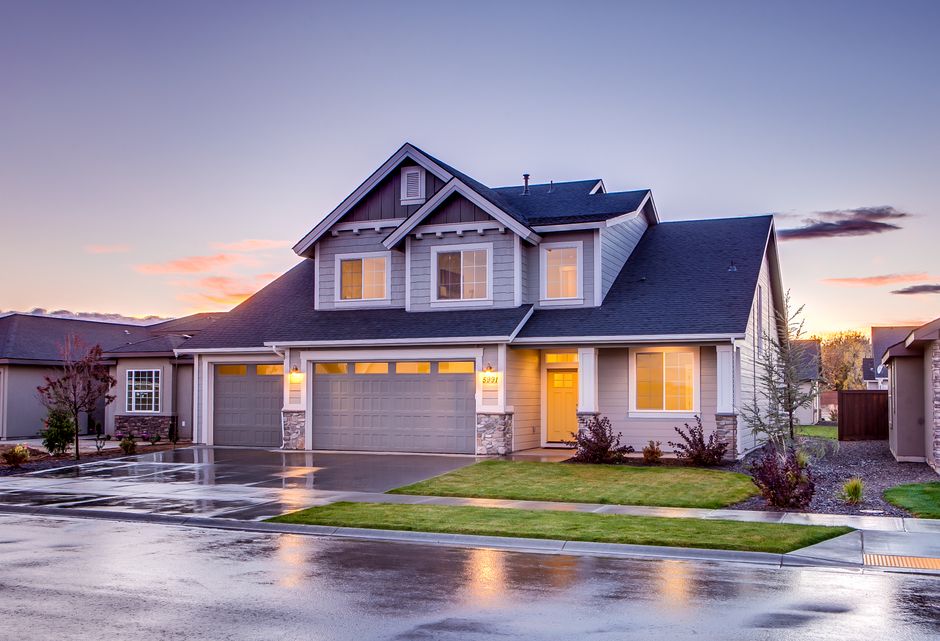
In Tehran’s central Yousef Abad neighborhood, a one-bedroom apartment listed for 18 million toman a month recently drew a queue of hopeful tenants. For many, though, that amount now equals–or even exceeds–a third of their monthly income, exposing fault lines in the trusted '30% rule' of rent-to-income ratio.
The issue has sharpened this summer, with a wave of lease renewals and new contracts arriving just as consumer prices in the capital climb for the fifth straight year. As the traditional rental season gets underway, families and young professionals must weigh increasingly daunting contracts against stagnant salaries. For many, calculating how much rent is “too much” is no longer theoretical–it has become a daily question with real consequences for living standards and future plans.
On Vali Asr Avenue and in the backstreets of Tehran’s District 6, the city’s classic rent-to-income metric is under strain. Ehya Civil Engineering Consultants, a local property analysis firm, reports that in popular west-central areas like Keshavarz Boulevard, average monthly rents for standard two-bedroom flats reached 30 to 45 million toman in June 2026.
Meanwhile, minimum wage in Tehran sits at about 10.3 million toman. Even for dual-income households in white-collar sectors—the teaching staff at University of Tehran’s Amirabad campus or IT workers in Gisha—the combined monthly take-home often tops out at 45-55 million toman, depending on industry and experience. This leaves little room for other essentials if rent levels routinely exceed 30% of household earnings, especially with utility costs, school fees and groceries rising faster than inflation-adjusted salaries.
Central Statistics Centre data show that between March 2025 and March 2026, Tehran’s urban rents increased by an average of 38%. In areas near Laleh Park, two-bedroom units now rent for 35 to 50 million toman. Applying the classic 30% affordability rule, a tenant would need to earn at least 120 million toman per month to safely lease at the upper end of this range—a salary class reached by a small elite in the city’s finance and medical sectors.
The mismatch is clear on Arjantin Square, a hub for rental agencies. Of 47 listings last week on Sheypoor and Divar, only 6 were below 20 million toman, and most landlords insisted on hefty advance leasing deposits (rahn) topping 500 million toman. Without family support or substantial savings, newcomers—especially university graduates—find themselves priced into smaller flats, distant suburbs such as Pardis or Parand, or forced into “shared leasing” (ejareh moshtarak) arrangements that were almost unheard of a decade ago.
Experts at Tehran Urban Research Institute warn that the 30% rule may already be obsolete for vast stretches of the city’s population. Many budget-conscious renters now routinely allocate 40% or more of their monthly pay to housing.
For tenants, careful budgeting and seeking shared arrangements have become survival tactics. Working with agencies like Maskan Bank’s Housing Support Desk or non-profit rental support funds can help identify less aggressive landlords, especially in older buildings west of Shahrak-e Gharb. Urban planners and policymakers meanwhile worry that breaking the 30% threshold undermines household security and consumption, fueling further economic distress.
With the next round of subsidy reforms under review and inflation still hovering near double digits, the only certainty is that rent stress is likely to persist. The 30% rule may remain an aspiration for many in Tehran, but for now, most are simply making the numbers work however they can.
Property
Property
Property
Property
About this article
Published by The Daily Tehran
Spread the word
Daily brief
Free, in your inbox before 7am. Weekdays.
The Daily Network — local news across Australia