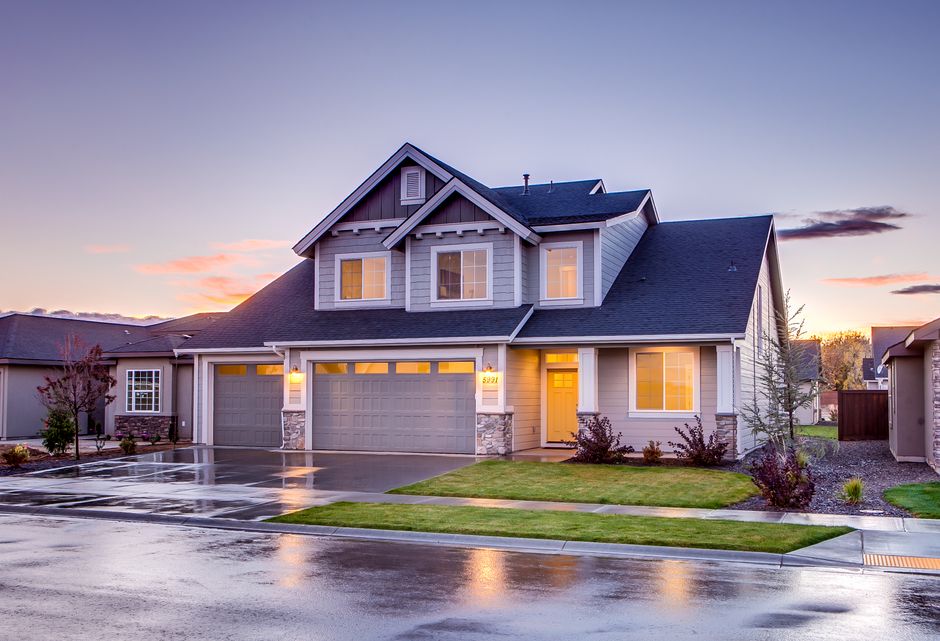
Tehran’s first purpose-built rental complex, Navid Towers on Abbas Abad, opened its doors to tenants in late June, marking a turning point in a city short on professional rental options but flush with price anxiety. Backed by Sarmayeh Vara Group, the 180-apartment scheme signals a shift in how Tehranis may choose to live: not just as buyers or informal renters, but as tenants with long leases and full-service contracts.
For years, Tehran’s housing debate has centered on ownership, with official policy and public imagination equating security to a deed. But recent economic swings, particularly amid international uncertainty and last month’s record 47% rent inflation (according to the Ministry of Roads and Urban Development), have pushed many to reconsider. As young professionals queue for properties from Vanak Square to Shahrak-e-Gharb, a new set of build-to-rent developments is testing whether a stable, Western-style tenancy model can bridge Tehran’s affordability gap.
Modern Amenities and Predictable Costs
Navid Towers isn’t alone. Across from Mellat Park, the Shahrpa Investment Cooperative is racing to finish Yas Plaza, a nine-storey build-to-rent property featuring on-site gyms, co-working lounges, and 24-hour security. These large rental-only buildings contrast sharply with the city’s typical patchwork of individually owned apartments. Tenants sign year-long contracts, avoid hefty rahn (security deposits can now be as little as 50 million toman), and are assured rents set in advance by the developer for several years. That predictability has drawn applications from staff at local start-ups in Darband as well as medical residents at Imam Khomeini Hospital, according to leasing agents.
“It’s not just the décor or concierge,” said one property analyst based in Tajrish, “but the peace of mind—especially for those priced out of ownership.” Traditional landlords might raise rents mid-lease or demand bribes for maintenance, a series of complaints aired extensively on social media after May’s spike in rental evictions in Saadat Abad and Pasdaran. For many, the build-to-rent model’s regulated approach is a pragmatic alternative to an overheated sales market where the median apartment now costs 98 million toman per square meter (Statistical Centre of Iran, June 2026).
Affordability Squeeze: Renting vs. Buying
Numbers tell the story. While buying a 90-square-meter flat in Yousef Abad means a down payment and rahn topping 5.2 billion toman, comparable units in build-to-rent complexes are leasing for 27 to 34 million toman per month—and those figures include building maintenance and basic utilities. That’s a steep figure for many, but developers say demand has outstripped supply, especially among Tehranis who lack family assistance for home purchases. The Tehran Urban Planning Council says only 17% of city residents aged under 35 are now able to buy a home, down from 25% a decade ago. Renters, meanwhile, face stiff competition: listings on the "Divar" platform routinely attract up to 20 applications in high-demand areas like Gisha and Zafaraniyeh.
"Last summer we saw rental increases accelerate even faster than sale prices—so tenants want security," explained a manager at Paytakht Real Estate. With ongoing volatility affecting the toman and international investment flows subdued, most analysts predict no imminent relief on prices, whether for buyers or renters.
For those weighing their options, the key advice is caution. Legal experts recommend reviewing contracts for break clauses and annual rent caps, since not all build-to-rent projects offer the same guarantees. The municipality is currently considering incentive packages for developers who promise multi-year rent freezes—a pilot tender is expected for Mirdamad by October 2026. While Tehran’s build-to-rent sector is still small, its rapid uptake signals that renters may finally be getting something long denied: an alternative to uncertainty, if not to high prices. More complexes are slated for completion near Azadi Street and Ekbatan by winter, and tenant groups are already lobbying for tighter housing rules. For now, would-be tenants must watch the market, assess new entrants carefully, and push for clearer, longer-term rental protections.