Property
In Tehran’s Eastern Suburbs, Buying a Home Now Underprices Renting
Rising rent and softening sale prices in areas like Tehranpars and Shahedieh tip the scales in favour of buyers for the first time in years.
3 min read
Property
Rising rent and softening sale prices in areas like Tehranpars and Shahedieh tip the scales in favour of buyers for the first time in years.
3 min read
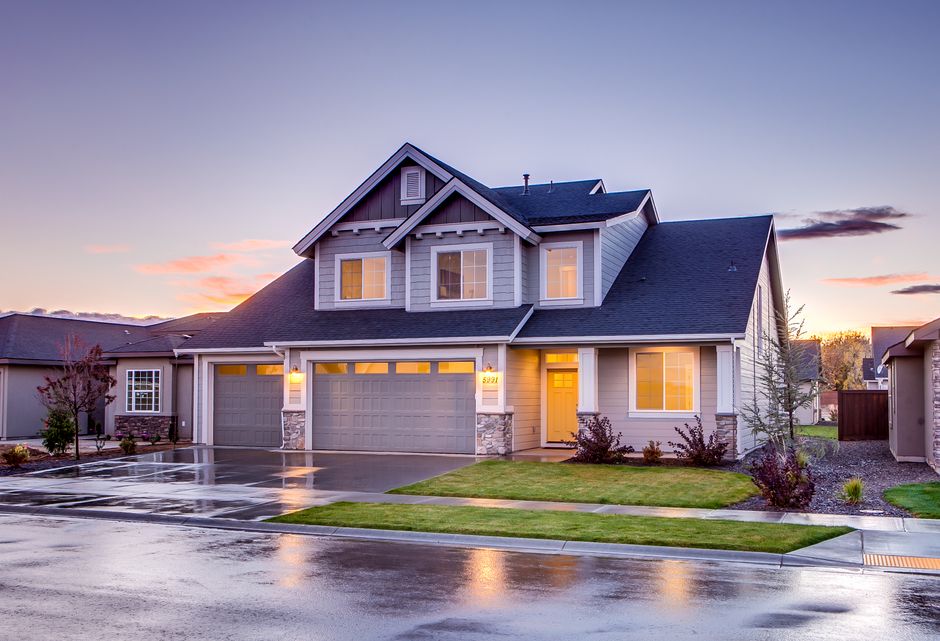
For the first time since 2020, the monthly cost of owning a home in several of Tehran’s outer suburbs has fallen below the price of long-term rental—a sharp turn in a city where tenants have long struggled with spiraling rents.
The shift arrives as Tehran’s rental market tightens; rent increases in the central and northern districts regularly push families to the city’s edge. But a combination of dwindling demand for new mortgages and a backlog of unsold apartment blocks in emerging neighborhoods has stalled or reversed sale price growth in districts like Tehranpars Gharbi and Shahedieh. The result: monthly mortgage payments now undercut average rents in several key postcodes.
Neighbourhoods such as the eastern segment of Tehranpars (particularly around Mashahir Avenue and Basij Expressway) and parts of Shahedieh along Hakimiyeh Road have seen a significant slowdown in new buyers, leading to price stagnation. Data from the Tehran Association of Realtors suggests that a 75-square-metre apartment in Tehranpars Gharbi, selling for roughly 7.2 billion toman, will cost its owner just over 14 million toman per month on a typical 15-year fixed-rate Bank Maskan mortgage, at today’s 18% interest rate. Average rent for an equivalent unit, reported by realtors along Damavand Street, now sits above 16 million toman per month after renewals in June.
Shahedieh shows even starker contrast. The newly built complexes opposite Sohanak Park, where developers like Padideh Sazeh Company have struggled to fill units, list mortgage payments below 90% of prevailing rents on similar two-bedroom flats. “We see families choosing ownership for stability, even if they stretch their savings,” said one local realtor at the busy Fajr Real Estate office near Hidaji Street.
According to Tehran Municipal Data published on 2 July, the citywide average sale price for an apartment edged down by 2% in Q2 2026, but rental prices grew by 7% over the same three months, with rents in District 4 and 13 climbing fastest. Bank Markazi’s June survey found 37% of new home buyers in east Tehran used at least partial mortgage finance, up from 22% last year, suggesting more middle-income families are breaking into ownership as rents climb. Meanwhile, developers point to over 1,700 unsold apartments in the east corridor from Tehranpars to Shahedieh—a stark supply mismatch compared to tight rentals.
The buying-renting price crossover is still highly localised. In more central and upscale areas—like Zafaraniyeh or Vanak—a basic 80-square-metre flat can cost above 24 million toman to rent, but impossible to own for less than 21 million per month, keeping rent marginally ahead.
Market analysts expect more suburbs—especially those served by Metro Line 2 and 4 extensions—to tip toward better value for buyers if excess stock holds. Experts suggest first-time buyers investigate off-plan opportunities, but caution that not all sale listings offer transparent finance terms. The Tehran Housing Portal now lists mortgage calculators updated weekly; buyers are urged to include all fees and tax when comparing ownership versus rents.
For families recalculating after this year’s new rental law changes, the advice from the city’s housing associations remains simple: shop around, and don’t rule out purchase in districts where supply now works in your favour. With landlords locked in their own cost pressures, the monthly maths in eastern Tehran just may signal a wider shift citywide over the next year.
Property
Property
Property

Property
About this article
Published by The Daily Tehran
Spread the word
Daily brief
Free, in your inbox before 7am. Weekdays.
The Daily Network — local news across Australia