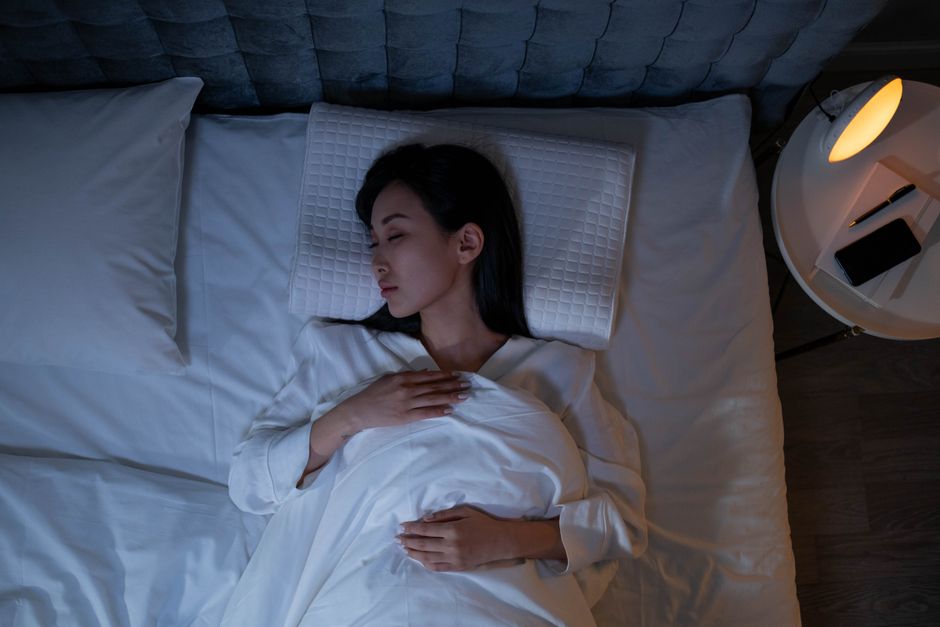
Tehranis are struggling for a good night’s sleep as summer brings soaring temperatures, glaring city lights and rising nighttime noise across the capital. Recent reports from clinics and sleep centers show a steady increase in locals reporting fatigue, insomnia and disrupted rest linked directly to the city’s changing environment.
Health professionals say the issue is growing more urgent this July, with average overnight lows hovering above 27°C in central districts—a significant jump compared to the city’s long-term July average of 23°C. The combination of relentless heat, round-the-clock traffic noise and increased light pollution from new commercial signage is making sleep harder to come by for families across both old neighbourhoods and luxury towers.
From Valiasr Street to Ekbatan: Local Disruptors of Sleep
In districts like Vali-e-Asr and the dense apartment blocks of Ekbatan, residents face a triple threat: late-night traffic congestion, vibrant illuminated billboards, and thick summer air that barely cools even after midnight. Dr. Parisa Foroughi at Tehran Sleep Clinic, located near Vanak Square, said bookings for consultations hit a four-year high in June and early July, with clients describing persistent sleep interruptions and morning headaches.
It’s not just the city center. Families living near Modares Expressway or beside lively shopping hubs such as Palladium Mall in Zafaraniyeh complain that even high-rise flats offer little respite. In a recent survey by the Iranian Society of Sleep Research, 68% of Tehran respondents reported that city noise was their main barrier to quality sleep—more than concerns about work, family or digital distractions. And while the municipality has launched several initiatives to restrict heavy vehicle access after 10pm, Tehran's sheer density means relief remains limited.
Evidence Shows: Environmental Factors Undermine Sleep
Research backs up what Tehranis are feeling. According to data from Tehran’s Health Department published in March 2026, rates of short sleep—defined as less than six hours per night—have increased by 12% in the past three years, with the sharpest rise seen in the hot months from June through September. The department’s findings highlight nighttime temperatures above 25°C, light pollution measured in lux per square metre, and average decibel readings near major roads as the primary culprits.
Energy-efficient air-conditioning is a luxury: in central Tehran, split AC units for a typical 80-square-metre flat can cost upwards of 250 million toman, putting relief out of reach for many renters. Meanwhile, light-blocking curtains start at 1.5 million toman per panel in Grand Bazaar shops, a growing investment as more households seek darkness for restful nights.
How to Take Back the Night
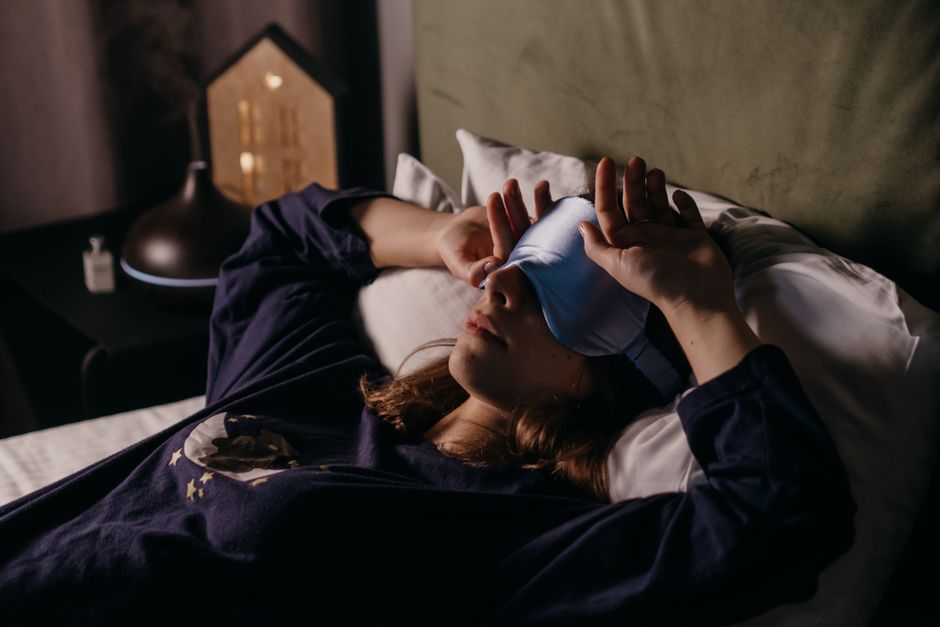
So what can be done? Local wellness centres such as Behram Wellness on Jordan Boulevard are promoting sleep hygiene classes, teaching simple but proven steps: setting bedroom temperatures to below 22°C, using eye masks or blackout blinds, and minimizing electronics in bedrooms. Experts recommend placing white noise machines or using earplugs for those on traffic-heavy streets like Mirdamad or Beheshti.
The municipality has announced plans to further limit night construction hours and audit overly bright commercial lighting in districts like Sa’adat Abad, but change will be gradual. Meanwhile, experts urge Tehranis not to ignore ongoing sleep problems. “Persistent poor sleep has long-term effects on both mental and physical health,” Dr. Foroughi told The Daily Tehran. Residents are advised to consult reputable sleep clinics or licensed psychologists if problems last more than a month.
As climate shifts and urban life intensifies, tuning out the city and tuning in to healthy sleep practices is likely to be one of the most important wellness habits for Tehran in 2026—and beyond.