Tehran's yoga community has quietly exploded over the past three years. More than 200 registered yoga studios now operate across the capital, according to the Iran Yoga Association's 2025 membership survey, a figure that represents a 40 percent jump since 2022. On any given weekday morning, mats are unrolled from Elahiyeh in the north to Narmak in the east, and the question practitioners keep asking is not whether to start — it's which style to choose.
The timing matters. Summers in Tehran regularly push past 38°C, and the July heat has sent many residents retreating indoors to air-conditioned studios rather than parks. That shift has created a boom in drop-in class bookings, and studio managers report that first-timers make up roughly a third of walk-ins between June and August. For many of them, the sheer vocabulary of yoga — Vinyasa, Yin, Kundalini, Hatha, Ashtanga — is the first obstacle.
The Main Styles, Decoded
Hatha is where most Tehran instructors recommend beginners start. Classes move slowly, holding each posture for several breaths, which gives the body time to open without shock. The Mehr Yoga Studio on Vali Asr Avenue offers a dedicated four-week Hatha foundation course for 2,800,000 rials, running on Tuesday and Thursday evenings throughout July. It requires no prior experience and no specialist equipment beyond a borrowed mat.
Vinyasa is Hatha's faster, more choreographed sibling. Postures flow together linked by breath, building heat and cardiovascular demand. Practitioners who find stillness frustrating tend to thrive here. The Body & Mind Centre in the Jordan neighbourhood runs Vinyasa classes six days a week, with morning sessions at 7 a.m. that attract a professional crowd trying to compress their practice before office hours.
Ashtanga is a fixed sequence — the same 75-odd postures, the same order, every session. It is demanding enough that most studios, including Yoga Negah in the Shahrak-e Gharb district, require at least three months of Vinyasa experience before enrolling students in Ashtanga programmes. The discipline suits people who find comfort in repetition and measurable progress.
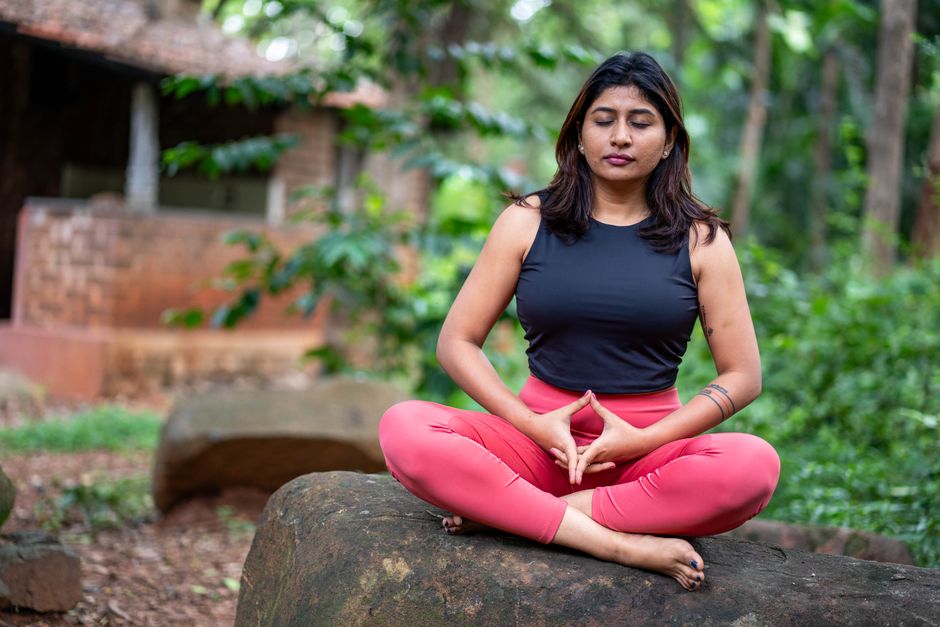
Yin yoga sits at the opposite extreme. Postures are held for three to five minutes, targeting connective tissue rather than muscle. It draws strongly on traditional Chinese medicine concepts of meridian lines, and Tehran practitioners often pair it with breath-focused meditation. Several studios near Tajrish Square have added dedicated Yin sessions on Friday mornings, capitalising on the one morning most residents have genuinely free.
Kundalini is the outlier. It incorporates chanting, breath exercises called pranayama, and repetitive movement sets known as kriyas. Its reputation as the most spiritually explicit style means it has a smaller but intensely loyal following in Tehran. The Aria Wellness Institute in Niavaran offers monthly Kundalini workshops rather than weekly classes, which suits students who want to sample it without committing.
Matching the Style to the Person
The practical question is not which style is objectively best — it's which one you will actually keep doing. Research published in the journal Mindfulness in late 2024 found that adherence to yoga practice drops by 58 percent within the first six weeks for people who chose a style based on a friend's recommendation rather than their own fitness level and schedule constraints. Consistency, the study concluded, predicts outcomes far more reliably than technique.
For Tehran residents weighing cost, a single drop-in class at most mid-range studios runs between 500,000 and 900,000 rials. Monthly unlimited memberships — useful once you know which style fits — average around 5,500,000 rials city-wide. Some studios, including a programme run through the Tehran Municipality's Farhangsar cultural centres, offer subsidised community classes for under 200,000 rials per session.
The sensible first step is to book a trial class in two or three different styles before committing to a membership. Your body's response after 48 hours — energised or depleted, calm or wired — tells you more than any description on a studio website. And if an underlying condition affects your joints, spine or blood pressure, speak to a physician before stepping onto the mat for the first time.