Three minutes. That is roughly how long a structured breathing exercise takes to measurably lower cortisol and slow a racing heart, according to research published in the journal Frontiers in Psychology in 2023. For Tehran's nine million residents absorbing daily commute pressure on the Chamran Expressway, deadlines in Valiasr Square office towers, and the low-grade hum of summer heat topping 38°C this week, that three-minute window is becoming medically significant.
The timing matters because urban stress in Tehran is not abstract. A 2024 survey by the Iranian Psychological Association found that 61 percent of residents in the capital reported moderate-to-severe daily stress, with traffic, work overload and economic uncertainty listed as the three leading causes. Breathing interventions — grouped under the broader term breathwork — have moved from yoga studios into cardiology clinics and corporate training rooms precisely because they cost nothing and require no equipment beyond functioning lungs.
The Techniques That Actually Work Mid-Day
The most studied method is box breathing, a four-count cycle: inhale for four seconds, hold for four, exhale for four, hold again for four. The United States Navy SEALs popularised it for high-stress field conditions, but its physiological mechanism is straightforward — it activates the parasympathetic nervous system by lengthening the exhale phase relative to inhalation. A shorter, sharper option is the 4-7-8 pattern developed by American physician Andrew Weil: inhale for four counts, hold for seven, exhale slowly for eight. Practitioners say it can induce noticeable calm within two full cycles.
A third technique gaining traction in Tehran's corporate wellness programmes is diaphragmatic breathing with a tactile cue — placing one hand on the chest and one on the abdomen, then ensuring only the lower hand rises. This sounds trivial until you realise that most office workers default to shallow chest breathing for eight or more hours a day, keeping the sympathetic nervous system permanently half-activated. Correcting that pattern for even five minutes at a desk produces a measurable drop in heart rate variability stress markers.
Where Tehran Residents Are Learning These Skills
The Nikan Health Complex on Vanak Square runs a weekly breathwork and stress-reduction session every Tuesday at 7 p.m., priced at 850,000 tomans per month for four sessions. Instructors there draw on both classical pranayama traditions and contemporary clinical protocols. Across town in the Elahiyeh neighbourhood, the Takta Wellness Studio offers a 90-minute foundational breathwork workshop on the first Saturday of each month, and several participants have described it as the first structured introduction they had to anything beyond basic yoga breathing.
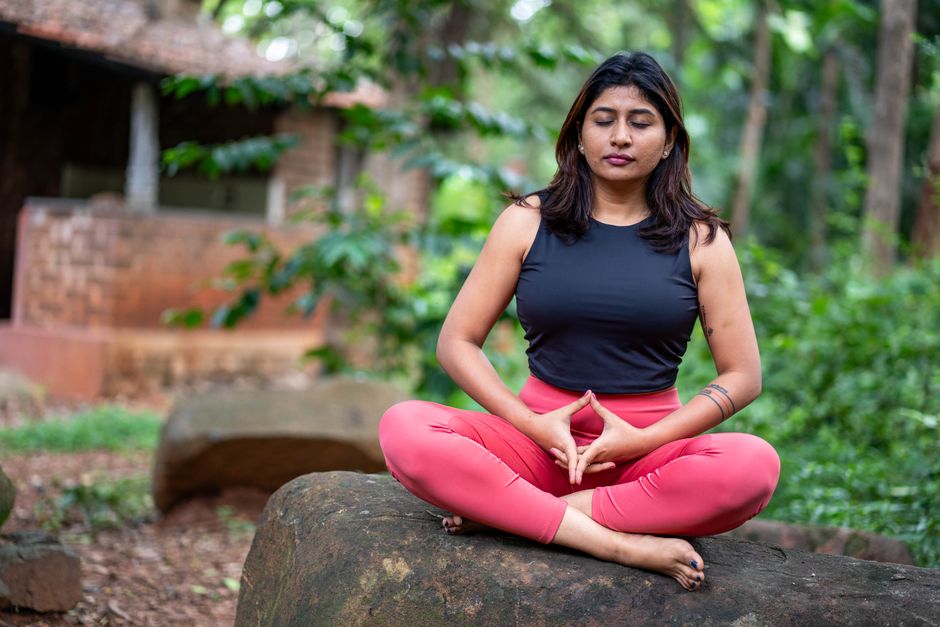
The Tehran Municipality's Parks and Green Spaces Organisation has also quietly expanded its outdoor mindfulness programme inside Mellat Park on Vali-e-Asr Avenue, adding a guided morning breathwork session three days a week since March 2026. The sessions are free and open to all ages, typically drawing between 30 and 60 people before the working day begins. The organisation partnered with the Iranian Mind-Body Medicine Association to design the curriculum, ensuring the sessions align with validated clinical guidelines rather than informal instruction.
One practical reality: breathwork is not a treatment for anxiety disorders or cardiovascular conditions, and anyone experiencing persistent symptoms should consult a physician or licensed psychologist before replacing professional care with self-directed breathing exercises. Tehran's Iran Psychiatric Association has a public referral directory on its website for residents seeking formal support.
The practical starting point for anyone reading this over a lunch break in Tajrish or a coffee in Jordaan Street is simple. Set a four-minute timer. Try box breathing for the first two minutes, then switch to diaphragmatic breathing for the remainder. Do it before opening email after lunch rather than after the fourth crisis of the afternoon. The nervous system does not respond to intention — it responds to the actual mechanical act of slowing and deepening the breath. Four minutes today is enough to find out whether three minutes of research holds up in your own body.