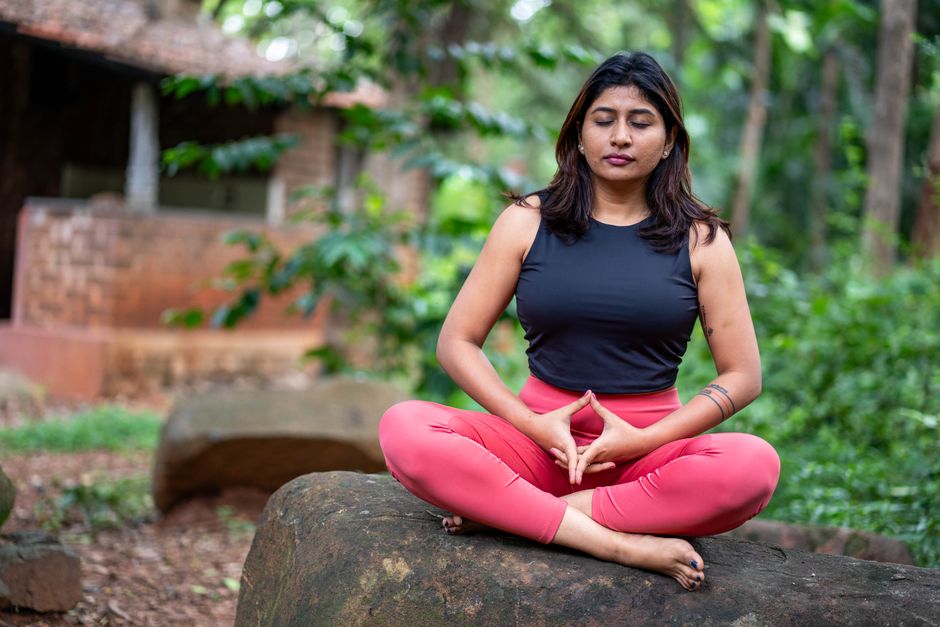
Enrollment in structured meditation programmes across Tehran has increased by roughly 40 percent since 2023, according to figures cited by the Iranian Psychological Association's wellness outreach division. The city that once treated meditation as a fringe import has, within a few years, developed a layered, genuinely active practice culture — morning groups in Mellat Park, app-based guided sessions in Farsi, and fee-charging studios that fill their Saturday slots weeks in advance.
The timing matters. Urban air quality readings in Tehran regularly push the AQI above 150 during summer months, traffic stress is embedded in daily life, and a 2025 survey by the University of Tehran's Faculty of Psychology found that 62 percent of residents aged 25 to 45 reported chronic sleep difficulty. Mindfulness-based stress reduction — the eight-week structured protocol developed at the University of Massachusetts in 1979 — has become one of the few evidence-backed tools that clinicians here are now actively recommending to patients alongside, not instead of, conventional treatment.
Where to Show Up in Person
The most established option for beginners is the Aram Mindfulness Centre on Vali-e-Asr Avenue, just north of Parkway intersection. It runs a standard MBSR course twice monthly, priced at 4,500,000 rials for the full eight sessions. Classes are capped at 12 participants, which keeps them intimate enough to be useful rather than performative. The centre also holds drop-in sessions every Tuesday evening at 7 p.m. — no booking required, 350,000 rials per session — which is a reasonable way to test whether the format suits you before committing to the longer programme.
In the northern neighbourhoods, Niavaran Cultural Centre hosts a weekly sitting group that operates on a dana model, meaning participants contribute what they can afford. The group has met every Thursday morning at 8:30 since 2021 and draws a mixed crowd: retired professionals, university students, people who've done serious retreat time abroad and people who showed up on a difficult week and kept coming back. The atmosphere is secular and non-denominational, which matters in a city where some residents remain cautious about organised spiritual programming.
For something more physically integrated, several yoga studios in the Farmanieh and Jordan neighbourhoods have added dedicated yin-and-meditation hybrid classes. Studio Noor on Golestan Street runs one on Wednesday mornings that pairs 35 minutes of yin yoga with a 20-minute guided body-scan meditation. Monthly membership there currently sits at around 8,000,000 rials, which includes unlimited class access across formats.
Digital Options That Actually Work
Two Farsi-language apps have earned consistent word-of-mouth in Tehran. Hamta, launched in early 2024 by a Tehran-based development team, offers guided meditations ranging from five to 40 minutes, sleep stories narrated in a calm regional accent, and a basic mood-tracking journal. The premium tier costs 990,000 rials per month or 6,500,000 rials annually. Early user reviews on Café Bazaar give it 4.3 out of 5. The second, Rimidi, is narrower in scope but stronger on breathwork — its box-breathing and 4-7-8 modules are well-produced and grounded in clear physiological explanation rather than vague wellness language.
International apps like Insight Timer remain accessible and carry an enormous library of content, including some Farsi-translated sessions. The free tier is genuinely usable; the paid subscription, billed internationally, requires a workaround for payment that many Tehran users have navigated through family abroad or digital currency platforms.
The practical entry point for anyone new to this: start with the Thursday morning group at Niavaran, which costs nothing beyond what you choose to give. If you respond to structure, book one of the MBSR intakes at the Aram Centre — the next cohort begins in late July. If your schedule is genuinely unpredictable, download Hamta and commit to five minutes before sleep for two weeks. Evidence consistently shows that consistency matters far more than duration at the beginning. A local psychologist or GP can help you assess whether a clinical-level programme like MBSR is appropriate for your specific situation, particularly if you're managing anxiety, depression or chronic pain alongside general stress.