Wellness
Mindfulness in Schools: What Local Programs Are Available
As academic pressures mount, Tehran schools turn to mindfulness and meditation to help students manage stress and focus.
3 min read
Wellness
As academic pressures mount, Tehran schools turn to mindfulness and meditation to help students manage stress and focus.
3 min read
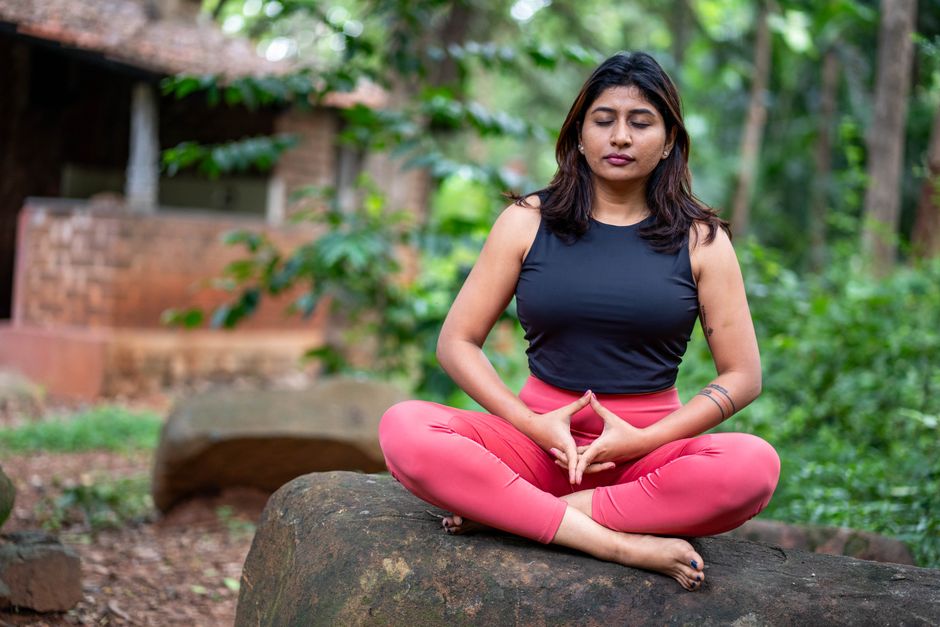
Mindfulness meditation sessions are becoming a regular part of the school day for hundreds of students in north and central Tehran, as educators introduce new strategies to help children cope with rising academic and social pressure.
Interest in these practices surged after the Ministry of Education’s 2025 welfare report flagged an uptick in stress-related complaints among students. The report cited competitive entrance exams, shifting family dynamics and hours-long commutes as key contributors. With adolescent mental health moving firmly up the policy agenda, Tehran’s schools are experimenting with evidence-based solutions.
At the Motahari Experimental School on Valiasr Street, third-grade pupils recently began a weekly mindfulness program developed in partnership with the Iranian Institute of Psychological Science. Students as young as eight now start their Wednesday mornings with a 15-minute guided breathing exercise, accompanied by gentle music. Teachers at the school say the initiative, launched in February, is already yielding results: improved concentration during lessons and noticeably calmer playground behaviour.
In the bustling Yousef Abad neighbourhood, the privately run Tejarat Middle School offers an elective after-school meditation club, run by Lahzeh Academy, a local nonprofit that has trained over 500 teachers in child-friendly mindfulness techniques. The club focuses on sensory awareness, creative visualisation, and basic movement meditation. Up to 30 students participate each semester, with a monthly enrollment fee of 400,000 toman. According to school coordinators, popular sessions include "listening walks" in the leafy courtyard and silent reflection before exams.
The city’s largest municipal project—the Tehran Mindful Schools Initiative—now covers 17 public schools across districts 2 and 6. The pilot, launched last autumn, integrates structured ten-minute mindfulness breaks into science and language classes. Facilitators trained at Shahid Beheshti University visit twice weekly to coach staff and monitor outcomes.
Research by the Iranian Association for Educational Psychology found that in 2025, more than 62% of secondary schoolers in Tehran reported experiencing at least one week of sustained anxiety during exam periods. In response, school-wide mindfulness programs have tripled since 2022, according to the Education Research Center. At Nikan International School in Niavaran, 85% of surveyed participants in their mindfulness elective reported that "it helps them feel more focused or less tense"—a finding echoed across similar pilot programs citywide.
Practical support is growing: the Ministry of Education now provides free online introductory resources for parents (in Farsi and English). Most mindfulness programs in public schools are free or included in general tuition. Private institutes and extracurricular clubs may charge monthly fees between 300,000 and 600,000 toman, depending on program length and staff certification.
Tehran’s schools are set to expand these offerings for the 2026-27 academic year, with at least nine new primary schools applying to join the Mindful Schools Initiative. Parents curious about enrolling their children or starting a club can contact their school’s counselor or visit the Ministry of Education’s website for further information. As stress levels remain high, both public officials and headteachers say the goal is to make mental well-being as central to learning as mathematics or literature.
About this article
Published by The Daily Tehran
Spread the word
Daily brief
Free, in your inbox before 7am. Weekdays.
The Daily Network — local news across Australia