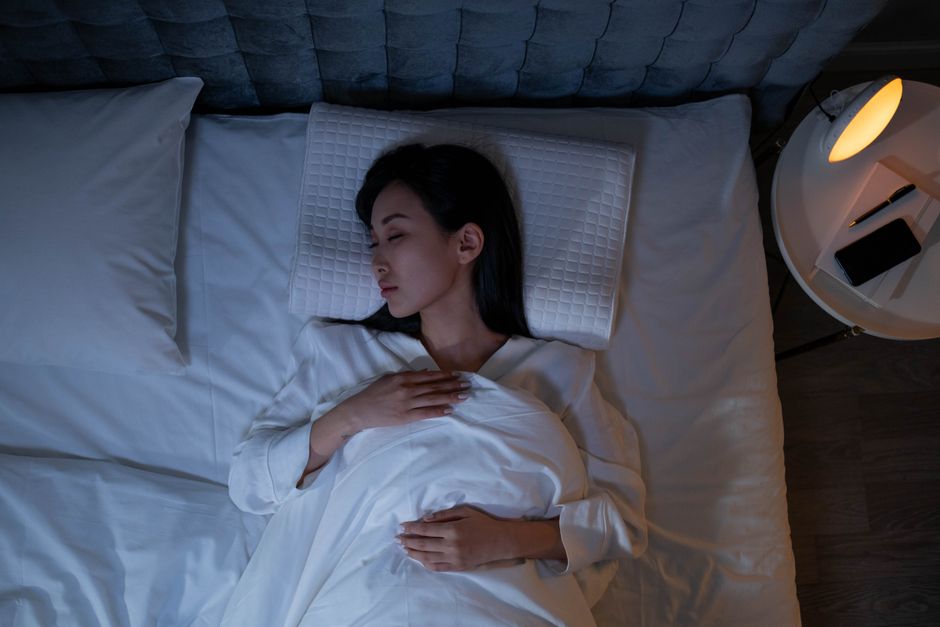
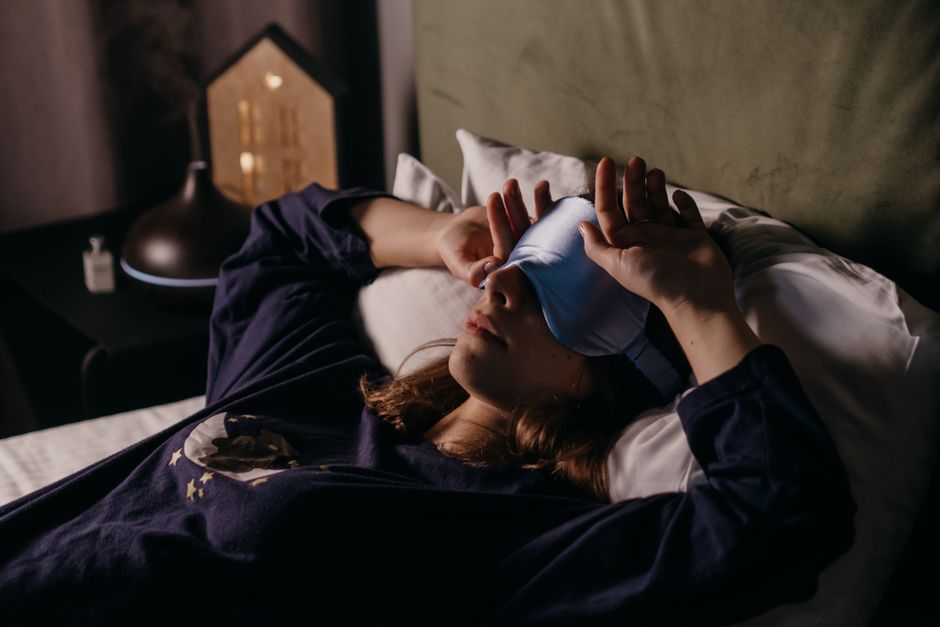
Tehranism runs hot in summer — literally. July temperatures in the capital regularly breach 37°C, and urban heat retention in dense neighbourhoods like Vanak and Yusefabad means bedroom temperatures stay stubbornly above 26°C well past midnight. Sleep specialists say that single fact is quietly wrecking the health of a significant portion of the city's 9.5 million residents.
The timing matters. Global research published in 2025 by the journal Sleep Medicine Reviews confirmed that sleeping in rooms warmer than 24°C reduces slow-wave sleep — the deepest, most restorative phase — by up to 15 percent. Add Tehran's chronic noise pollution, documented by the Tehran Municipality's Environmental Monitoring Centre at an average of 73 decibels in central districts, and you have a formula for exhaustion masquerading as ordinary life.
Sleep clinics here are seeing it in the numbers. The Tehran Institute for Behavioral Sciences, based on Mollasadra Street in the Shahrak-e Gharb area, reported a 22 percent uptick in insomnia-related consultations between January and June 2026. Practitioners at the clinic say most patients arrive believing their problem is stress or diet. Frequently, the root cause is simpler: a badly configured sleep space.
What the Checklist Actually Covers
Temperature is the first variable. Sleep physiologists recommend a bedroom between 18°C and 20°C for optimal rest. For Tehranis without central air conditioning — still a majority in older apartment stock in areas like Narmak and Tehranpars in the east — a portable evaporative cooler costs between 4,500,000 and 9,000,000 tomans at electronics shops along Jomhouri Avenue. That is a real upfront cost, but the health math is straightforward: insufficient sleep is linked to elevated cortisol, compromised immunity and a measurably higher risk of type 2 diabetes.
Light is the second factor most residents get wrong. Tehran stays bright late into summer evenings, and the city's sprawling neon signage along Valiasr Street — the world's longest urban boulevard at 18 kilometres — floods poorly curtained bedrooms with amber and blue light that suppresses melatonin production. Blackout curtains, widely available at the Palladium Mall in Jordan Square starting at around 800,000 tomans per panel, represent the cheapest single upgrade most sleep specialists recommend.
Sound is the third element. The Mellat Park neighbourhood along the northern section of Chamran Expressway is quieter than the city centre, but even residents there report traffic noise as a consistent sleep disruptor. Researchers at Shahid Beheshti University's Faculty of Medicine have studied low-cost acoustic interventions — heavy rugs, bookshelves against exterior walls, simple foam draft seals on doors — and found they reduce perceived noise by 6 to 8 decibels without any structural renovation.
Beyond the Physical Space
Scent and layout matter more than most people expect. A 2024 trial at the University of Geneva found that lavender essential oil diffused for 30 minutes before sleep improved sleep quality scores by 14 percent in participants with mild insomnia. Tehran's Darband Road bazaar in Shemiran sells domestic lavender oil from Kashan producers at roughly 350,000 tomans per 30ml bottle — significantly cheaper than imported alternatives filling pharmacy shelves in Tajrish Square.
The checklist closes with a principle sleep scientists call stimulus control: the bedroom should be used only for sleep and rest, not screens, meals or work. In Tehran's compact urban apartments, where a single room sometimes functions as office, dining area and bedroom, that principle is genuinely hard to apply. Wellness educators at the Hamrah Health Centre on Mirdamad Boulevard now run a monthly workshop — free of charge, registration through the centre's website — specifically addressing small-space sleep hygiene for city dwellers.
The practical takeaway is not complicated. Drop the room temperature, block the light, muffle the noise, and stop working from your bed. None of it requires expensive equipment or a larger apartment. What it requires is treating sleep as a priority rather than the activity that happens after everything else is done. Tehran's summer will push back. A well-prepared bedroom pushes harder.
Consult a qualified medical professional before making changes to address a diagnosed sleep disorder.