Wellness
Gut health 101: fermented foods you can find locally
From torshi in Tajrish to homemade kefir on Valiasr, Tehran residents are rediscovering fermented staples for better digestion and overall wellness.
3 min read
Updated 1 h ago
Wellness
From torshi in Tajrish to homemade kefir on Valiasr, Tehran residents are rediscovering fermented staples for better digestion and overall wellness.
3 min read
Updated 1 h ago
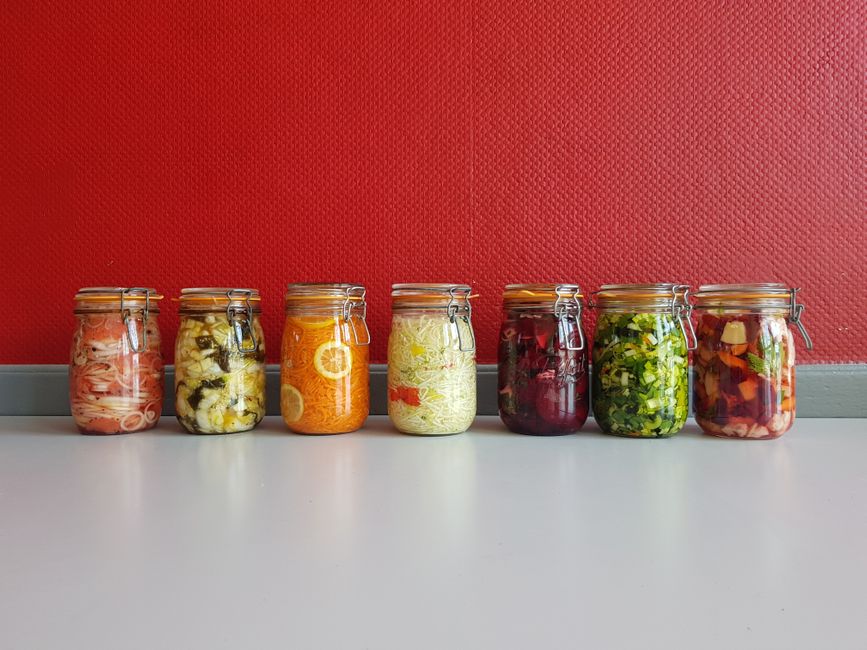
On a sticky July morning, the jars of pickled garlic and vegetable medleys lining bazaar stalls in Tehran’s Grand Bazaar aren’t just reminders of Persian culinary heritage — they are also experiencing renewed popularity among health-conscious Iranians keen to nurture their gut health.
This local trend comes at a time when global awareness around the microbiome and its crucial impact on immunity, metabolism, and even mood has hit mainstream. With erratic weather driving more people indoors and stress levels running high across Tehran’s bustling districts, nutritionists say supporting gut health could offer much-needed resilience against common modern ailments.
At Tajrish Bazaar, torshi is king. Vendors like Haj Agha Mostafa’s stall (just opposite the main fruit and veg entrance) sell plastic tubs of fermented garlic (seer torshi, ₩45,000 toman/kg) and classic cabbage-tomato blends loaded with vinegar, spices, and time-honed technique. Pickling itself has deep roots in Persian kitchens, but probiotic-rich yoghurt drinks like doogh, made fresh daily at Shahrvand on Mirdamad Boulevard, have gained a new following among young people seeking digestive benefits without the sugar crash of sodas.
Fermented dairy is another pillar. Kefir — once confined to home kitchens in districts like Gisha and Yousef Abad — is now making regular appearances in cafés and at organic grocers such as the Sabzineh Market (No. 12, South Gandi Street), where a litre bottle from small batch producers retails for around ₩70,000 toman. Beyond the retail sphere, cultural centres like the Iranian Nutrition Society on Khaghani Street run regular workshops on making probiotics at home, frequently drawing sell-out crowds of curious students and families.
Local dietitians point to emerging research from hospitals such as Sina Hospital in central Tehran: a study published in 2025 found that regular consumption of live-culture fermented foods was associated with a 16% reduction in self-reported bloating and indigestion among 400 urban adults. Yoghurt consumption alone — still very much a daily ritual in most Iranian kitchens — has held firm, averaging 32 kilograms per person per year, according to the latest data from Iran’s Ministry of Health.
Cost is a factor for many families watching their budgets. Homemade torshi ingredients — spring vegetables, vinegar, and spices — cost less than ₩30,000 toman to produce several jars, far less than commercial probiotic supplements lining shelves on Enghelab Avenue.
For Tehrani residents eager to improve gut health, practical options abound. Nutrition counsellors at City Health Clinic (Beheshti Street) recommend starting with one tablespoon of homemade torshi or a glass of doogh with lunch. Fans of kefir or kombucha should look to local producers or DIY kits available at Fermentology (No. 32, Shahrara Street) — courses and starter cultures are offered every Saturday at 3pm. Tehran’s rich tradition of fermentation means ancient solutions to modern wellness challenges are already within arm’s reach, whether picked up from a market or made at home. For personalised advice, experts stress that anyone with digestive concerns should speak directly with a nutrition professional.
About this article
Published by The Daily Tehran
Spread the word
Daily brief
Free, in your inbox before 7am. Weekdays.
The Daily Network — local news across Australia