Wellness
Why People Are Sleeping Worse and What to Do About It
Tehran residents are reporting more restless nights as stress, late-night screen use, and rising summer temperatures take a toll on sleep health.
3 min read
Updated 1 h ago
Wellness
Tehran residents are reporting more restless nights as stress, late-night screen use, and rising summer temperatures take a toll on sleep health.
3 min read
Updated 1 h ago

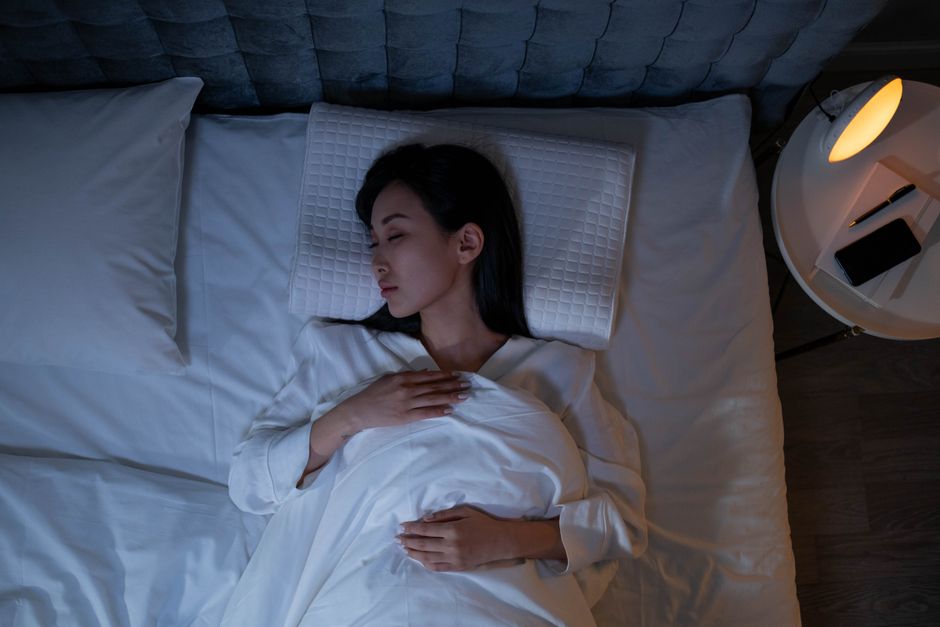
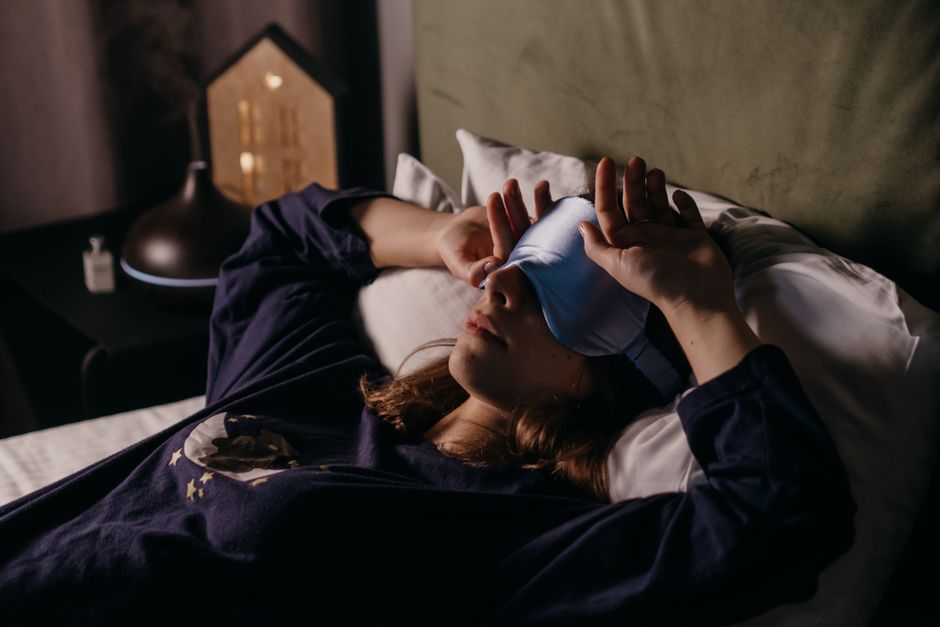
On a recent night in central Tehran, traffic noise on Valiasr Street did not quieten until nearly 2am. Yet, even when the city finally calmed, many residents reported lying awake, scrolling social media or watching the light from their phones. According to local sleep clinics, complaints of poor sleep quality have sharply increased this year.
Experts say Tehranis are sleeping worse than even a few years ago. Several factors have converged: relentless summer heat, increased work stress, and the digital habits of a population that is now constantly connected. With the hottest June in decades just passed, and a population restless about the economy and social pressures, sleep is in short supply.
At the Pars Sleep Research Center on Molla Sadra Street, walk-in patients seeking help for insomnia have doubled since the start of 2026, according to clinic staff. Dr. Masoud Vosough, a sleep medicine specialist at the center, notes that more patients cite waking up multiple times per night, especially during heatwaves. In neighborhoods like Yousef Abad and Shahrak-e Gharb, young professionals say late-night work screens and group chats are eroding their rest. The city’s gyms, such as Espinas Fitness on Vali Asr Avenue, report a growing trend of members seeking evening classes in an attempt to tire themselves out before bed—but some trainers caution that late workouts can make things worse by spiking adrenaline before sleep.
Local data supports these reports. A survey by the Tehran Health and Wellness Institute in May 2026 found that 63% of 3,200 adults polled described their sleep as 'poor' or 'very poor'—a sharp jump from 51% in a similar 2023 poll. The Iranian Sleep Association also reports a significant uptick in prescribed melatonin sales in Tehran’s district pharmacies, with a standard 30-tablet pack now selling for around 280,000 toman, up 35% from last year. An increasing number of people are turning to herbal remedies as well, such as saffron tea blends offered at traditional apothecaries around Tajrish Market.
With sleeplessness on the rise, wellness professionals are urging a back-to-basics approach. The sleep program at Tehran’s Aramesh Health Club in Elahieh runs weekly workshops on digital hygiene and meditation, with classes costing 400,000 toman per session. Simple advice works best, experts say: keep screens out of the bedroom, try to maintain a regular sleep schedule despite the city’s late-night culture, and opt for a brief evening stroll on cooler streets like Lalezar or in Baharestan Park instead of a high-intensity gym session.
Looking ahead, the Tehran municipality’s health department has announced plans to expand access to public wellness classes and install more green spaces where residents can decompress before bedtime. For now, those seeking relief from restless nights will find the city’s sleep clinics and wellness centers busier than ever.
About this article
Published by The Daily Tehran
Spread the word
Daily brief
Free, in your inbox before 7am. Weekdays.
The Daily Network — local news across Australia