Wellness
Shift Workers and Irregular Sleep: Practical Strategies
Tehran's night owls and early risers can take control of their sleep health with these expert tips and local resources.
3 min read
Updated 1 h ago
Wellness
Tehran's night owls and early risers can take control of their sleep health with these expert tips and local resources.
3 min read
Updated 1 h ago

Over 30% of Tehran's workforce is engaged in shift work, according to a recent study by the University of Tehran, highlighting the need for practical strategies to manage irregular sleep patterns.
The importance of addressing sleep health for shift workers cannot be overstated, particularly in a city like Tehran where the active wellness culture is on the rise. With many residents prioritizing their physical and mental wellbeing, it's essential to acknowledge the impact of irregular sleep on overall health. Shift workers, including nurses at hospitals like Tehran's Shariati Hospital, factory workers in the city's industrial zones, and taxi drivers cruising down Valiasr Street, often struggle to maintain a consistent sleep schedule, leading to fatigue, decreased productivity, and increased risk of chronic diseases.
In Tehran, organizations like the Iranian Sleep Association and the Wellness Center at the Espinas Palace Hotel are working to support shift workers and promote healthy sleep habits. For example, the Tehran Municipality has launched a series of workshops on sleep health and stress management, which have been held at venues like the Vahdat Hall and the Enghelab Sports Complex. Additionally, some local businesses, such as the cafe chain, Cafe Ferdowsi, located on Ferdowsi Avenue, are now offering sleep-friendly amenities like quiet rooms and herbal teas to help customers relax and unwind.
Research has shown that shift workers are at a higher risk of developing sleep disorders, with a study published in the Journal of Sleep Research finding that 45% of shift workers experience insomnia, compared to 25% of non-shift workers. Furthermore, a survey conducted by the Statistical Center of Iran found that the average shift worker in Tehran gets only 5.5 hours of sleep per night, compared to the recommended 7-9 hours. With the cost of sleep disorders estimated to be around 10 million tomans per year in lost productivity, it's clear that addressing sleep health is not only a personal issue but also an economic one.
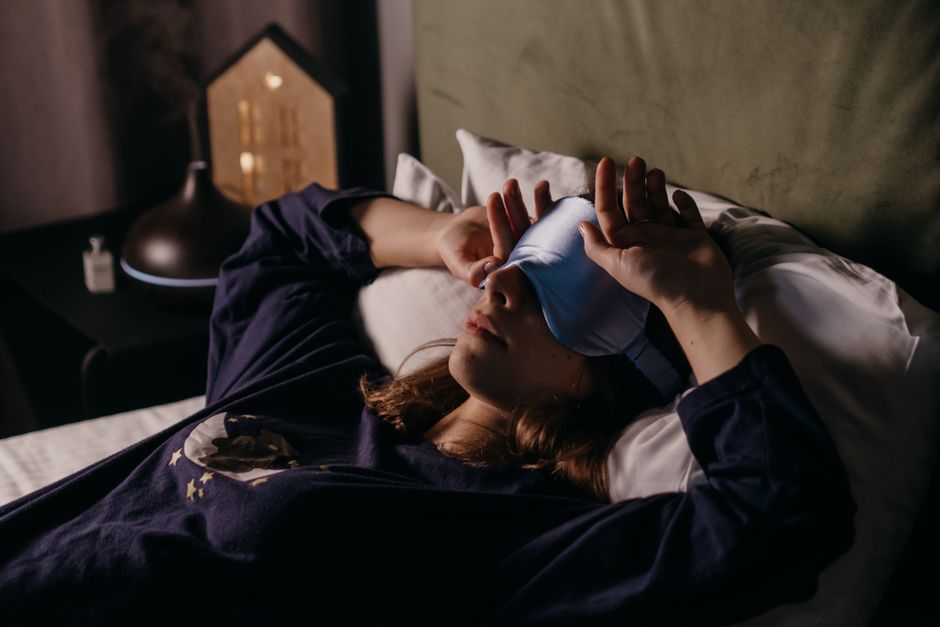
So, what can shift workers in Tehran do to take control of their sleep health? Experts recommend establishing a consistent sleep schedule, even on days off, and creating a sleep-conducive environment, such as keeping the bedroom cool, dark, and quiet. The use of sleep masks, earplugs, and white noise machines can also be helpful. Additionally, shift workers can try to avoid stimulating activities and electronics before bedtime, and opt for relaxing activities like reading or meditation instead. By prioritizing sleep health and seeking support from local resources, Tehran's shift workers can improve their overall wellbeing and reduce the risks associated with irregular sleep patterns.
About this article
Published by The Daily Tehran
Spread the word
Daily brief
Free, in your inbox before 7am. Weekdays.
The Daily Network — local news across Australia