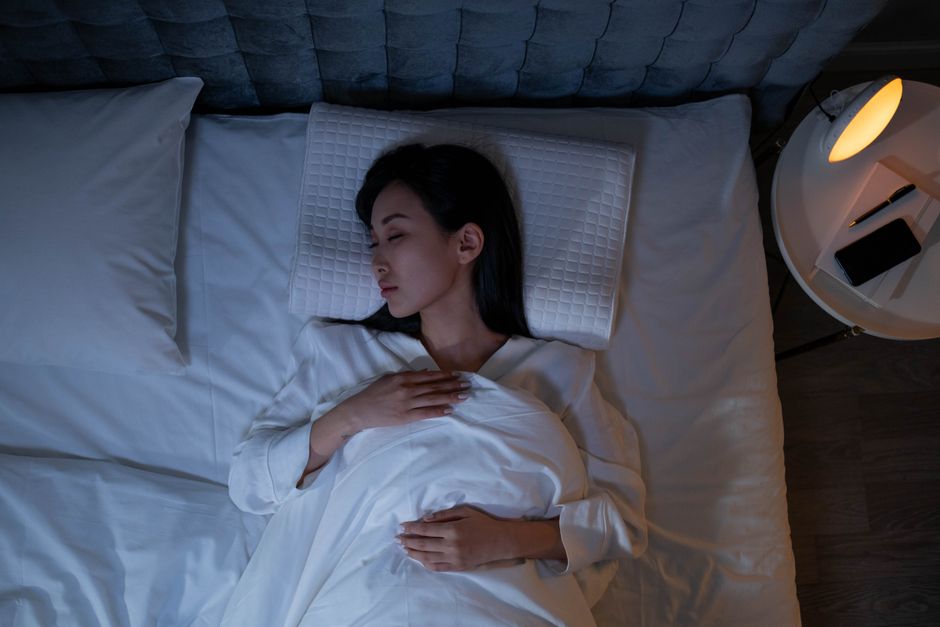
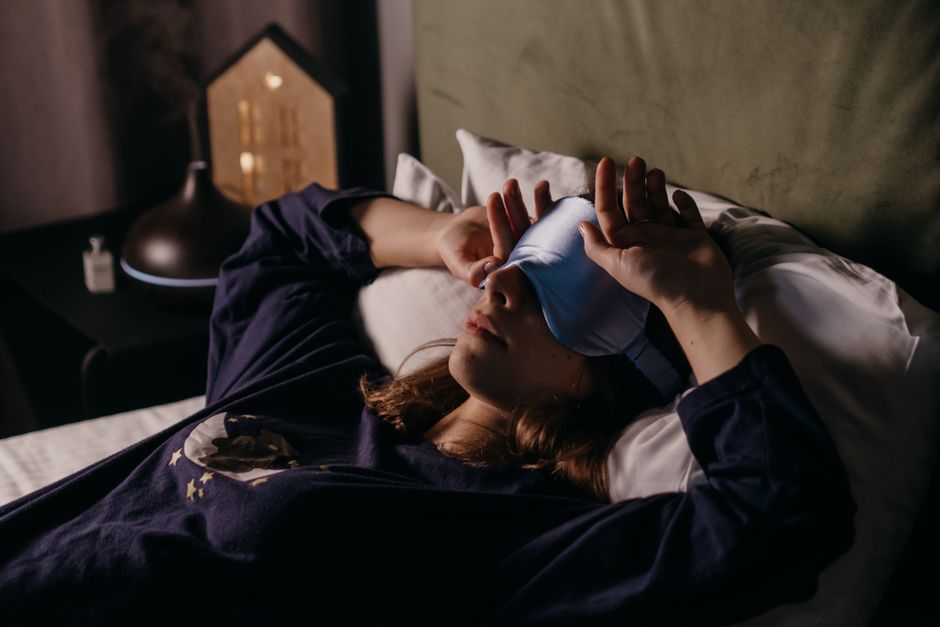
Tehranis are, on average, going to bed 47 minutes later than they were a decade ago. That single figure, drawn from a 2024 survey by Iran's Sleep Medicine Association, tells you almost everything about why chronic tiredness has become the capital's unofficial shared condition. Dinner at 10 p.m., traffic noise past midnight on Valiasr Street, screens glowing in every bedroom — the city is structurally hostile to good sleep, and the health toll is accumulating quietly but seriously.
This matters right now because July puts Tehran in the grip of long, punishing days — sunrise before 5:30 a.m. and heat that lingers well into the night, pushing indoor temperatures above 30°C in un-air-conditioned apartments. Sleep medicine specialists classify this seasonal combination as a circadian stress period. Cortisol stays elevated, melatonin production is suppressed by both heat and artificial light, and the body's natural wind-down signal simply fails to fire on schedule. The result is a city of people who are exhausted but cannot actually fall asleep.
What the Science Actually Recommends
The core finding from sleep research over the past decade is straightforward: the 90 minutes before bed matter more than almost any other variable. The body needs a temperature drop, a dimming of light — particularly blue wavelengths — and a reliable psychological signal that the day is finished. Tehran's lifestyle fights all three simultaneously.
Light is the most actionable lever. The American Academy of Sleep Medicine's 2023 clinical guidelines recommend reducing screen brightness to below 50 lux at least one hour before sleep, roughly the level of a bedside lamp. Switching overhead lighting to warm-toned bulbs in the 2700K range — widely available at home stores along Enghelab Avenue for under 85,000 tomans per bulb — produces a measurable shift in melatonin timing within three to four nights.
Temperature management is the second pillar. A bedroom cooled to between 18°C and 20°C produces the fastest sleep onset, according to research published in the journal Sleep Medicine Reviews in 2022. For Tehranis without central air conditioning — which describes most residents north of Park-e Shahr — a cold shower at around 9:30 p.m. temporarily lowers core body temperature and mimics the same effect. The drop itself, not the cold water, is the trigger.
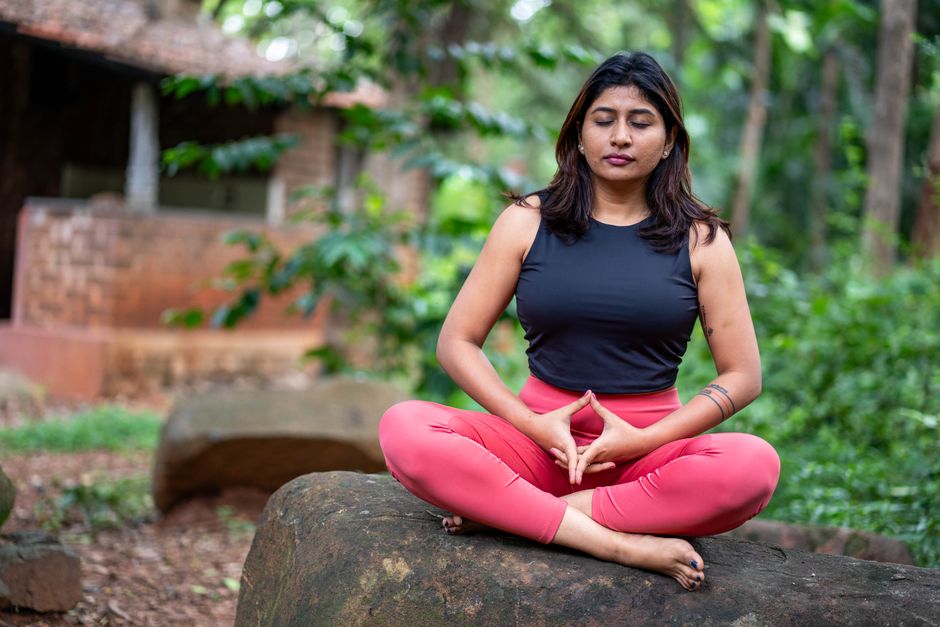
The third element is ritual. Sleep scientists call it stimulus control: the brain learns to associate a specific sequence of behaviours with the transition to sleep. That sequence can be simple — herbal tea, ten minutes of reading a physical book, a short breathing exercise. The Aram Mindfulness Center in Niavaran, which has run structured sleep workshops since early 2025, teaches a four-count inhale, seven-count hold, eight-count exhale cycle developed from clinical protocols at Stanford's Sleep Research Center. Participants in Aram's six-week programme reported a 34-minute average reduction in time-to-sleep by the final session.
Building a Tehran-Specific Routine
The practical challenge is adapting global sleep science to a city that genuinely operates on different hours. Pushing dinner earlier is the highest-impact single change — eating a heavy meal less than three hours before sleep measurably raises core temperature and delays slow-wave sleep onset. Shifting the evening meal from 10 p.m. to 8 p.m. is culturally difficult but not impossible, particularly on weeknights.
For those who want structured support, the Tehran Institute of Behavioral Sciences on Mirdamad Boulevard offers a six-session cognitive behavioural therapy for insomnia program — CBT-I, the gold-standard clinical intervention — on a sliding-scale fee between 1.2 and 2.8 million tomans for the full course. CBT-I has a documented long-term success rate above 70 percent, outperforming sleep medication in every major clinical trial conducted since 2010.
The last piece is the hardest: accepting that a good night starts at noon. Caffeine consumed after 2 p.m. is still measurably active in the bloodstream at midnight for most adults. Bright sunlight exposure before 9 a.m. — even fifteen minutes on a balcony facing east — anchors the circadian clock and makes the evening wind-down work far more effectively. These are not difficult changes. They are just unfamiliar ones. As always, anyone with persistent sleep difficulties should consult a physician or sleep specialist before making significant changes to their routine.