Wellness
The Best Wind-Down Routines Backed by Sleep Science
Tehran's late-night culture and screen-saturated evenings are costing residents hours of quality sleep — here's what the science says actually works.
4 min read
Updated 1 h ago
Wellness
Tehran's late-night culture and screen-saturated evenings are costing residents hours of quality sleep — here's what the science says actually works.
4 min read
Updated 1 h ago

Iranians are sleeping less than they did a decade ago. A 2024 survey by the Iranian Sleep Medicine Association found that 62 percent of adults in Tehran reported difficulty falling asleep at least three nights per week, with the average urban resident getting under six hours of rest on weeknights. Sleep specialists say the city's legendary night-owl culture — dinner rarely happens before 9 p.m. in Tajrish or Jordan neighbourhoods — compounds the biological cost of screen exposure, work stress, and summer heat.
The urgency is not abstract. Chronic sleep debt is linked to elevated cortisol, impaired glucose regulation, and weakened immune response. With Tehran's July temperatures regularly pushing past 37°C, the already-difficult process of cooling the body for sleep becomes harder still. The city's wellness community has noticed. Booking data from Pooya Wellness Centre in Elahiyeh shows a 40 percent year-on-year rise in clients requesting stress and sleep-related consultations in the first half of 2026.
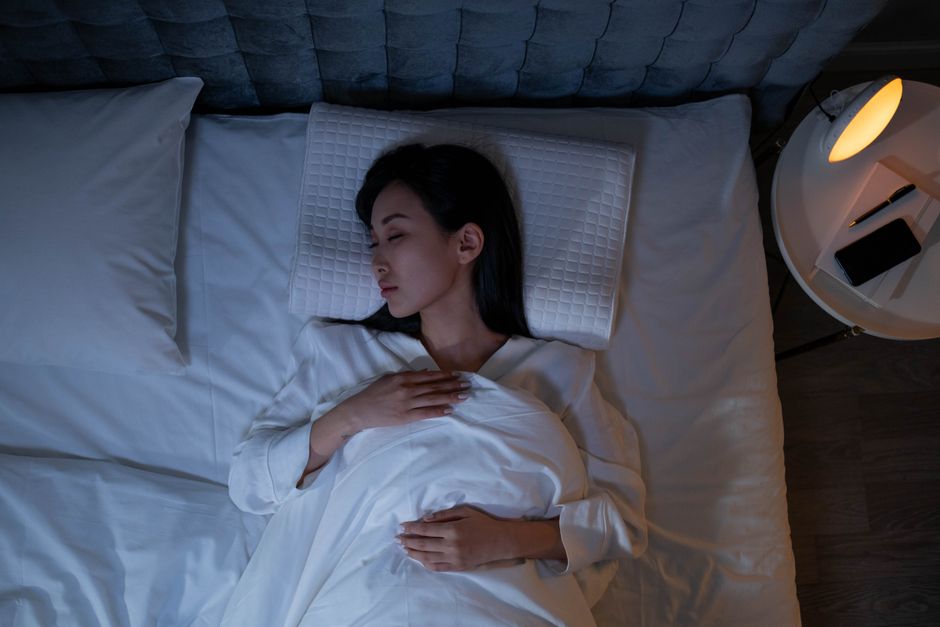
The core of evidence-based wind-down is simple: the brain needs a reliable signal that the day is ending. Researchers at the National Sleep Foundation — whose 2023 guidelines remain the most widely cited in clinical practice — recommend a 60-to-90-minute buffer zone before bed during which light dims, temperature drops, and cognitive stimulation stops. That last point is the one Tehran residents most reliably ignore.
Blue light from phones suppresses melatonin production for up to two hours after exposure. The fix is not willpower — it's friction. Sleep researchers recommend physically placing the phone in another room by 10 p.m., a step that sounds trivial but, in controlled studies, consistently reduced sleep-onset latency by 15 to 20 minutes. Warm — not hot — showers taken 90 minutes before bed trigger a drop in core body temperature as the body compensates, and that temperature dip is one of the strongest biological cues for drowsiness.
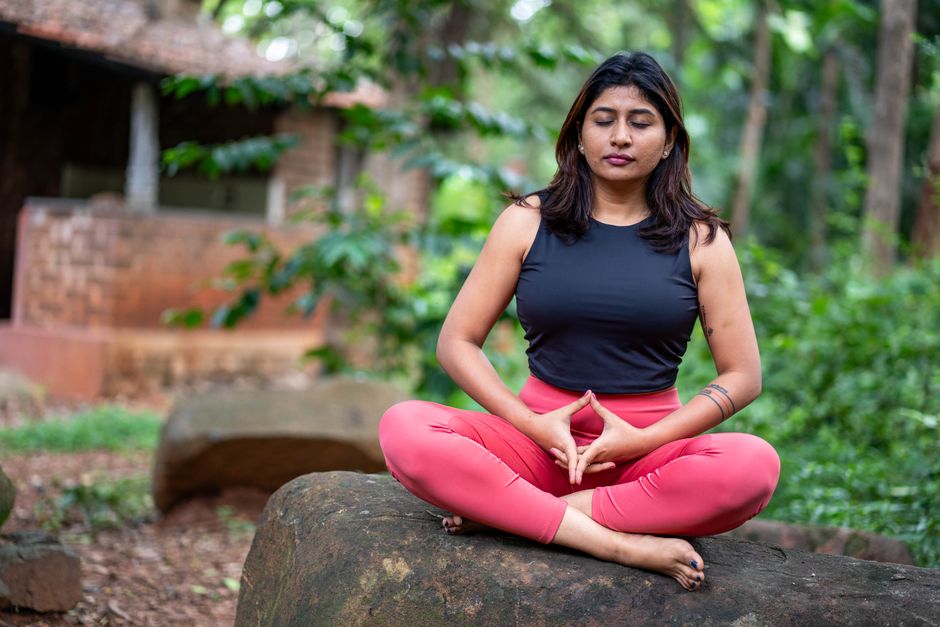
Breathing techniques have solid backing. The 4-7-8 method, popularised by Arizona-based physician Andrew Weil but rooted in pranayama traditions far older than modern neuroscience, involves inhaling for four seconds, holding for seven, and exhaling for eight. Three or four cycles activate the parasympathetic nervous system and measurably reduce heart rate. It costs nothing and requires no equipment — relevant in a city where quality sleep supplements can run 800,000 tomans or more for a 30-day supply at pharmacies along Vali-e-Asr Avenue.
Local instructors at Nirvana Yoga Studio in Saadat Abad have built a dedicated Yin and Restorative evening class series — sessions run at 8:30 p.m. on Sundays and Tuesdays — specifically designed as pre-sleep practice. Slow, floor-based postures held for three to five minutes each lower sympathetic nervous system activity and have been shown in a 2022 Journal of Sleep Research meta-analysis to shorten sleep-onset time by an average of 13 minutes in regular practitioners.
Diet timing matters too. Eating a large meal late suppresses melatonin and forces the digestive system into overdrive precisely when the body should be winding down. Sleep-conscious Tehranis are increasingly opting for lighter evening meals — herbed yogurt, soup, or a small plate of kashk-o-bademjan — finishing by 8 p.m. where possible. The logic aligns with circadian biology: the liver clock, independently of the brain, runs on meal timing and can be desynchronised by late, heavy food.
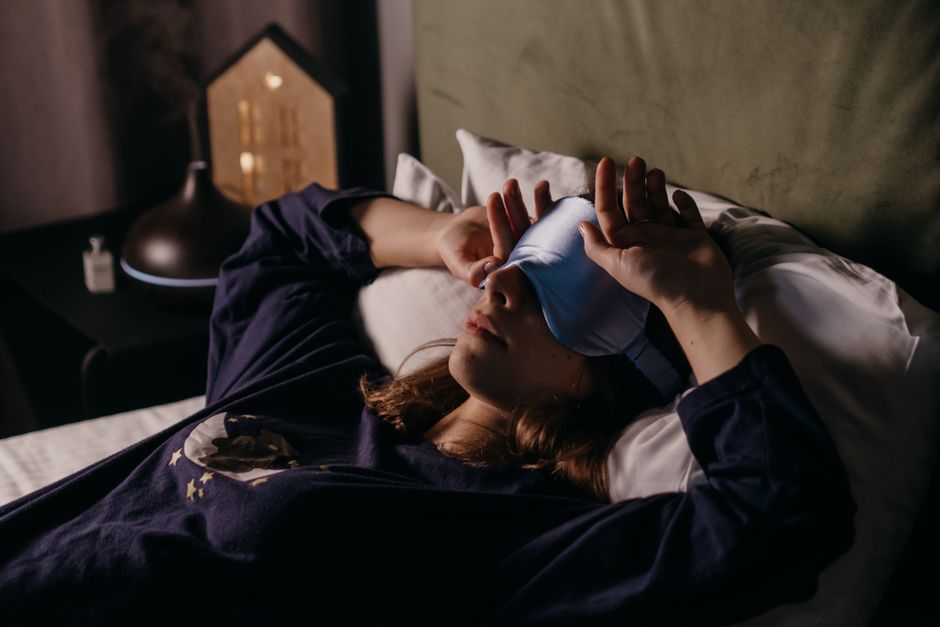
The practical framework, stripped to its minimum: dim overhead lights after 9 p.m. and switch to a lamp. Close social media apps by 10 p.m. Take a warm shower at 10:30 p.m. Spend ten minutes on gentle stretching or the 4-7-8 breathing cycle. Keep the bedroom between 18°C and 20°C — a challenge in July without air conditioning, but a ceiling fan directed away from the body achieves a similar effect. Reserve the bed for sleep only; working from bed, common in Tehran's remote-work generation, trains the brain to associate the mattress with alertness.
None of this requires a supplement, a gadget, or an expensive programme. It requires consistency across roughly three to four weeks before the brain consolidates the new routine as a genuine sleep signal. Anyone dealing with persistent insomnia, sleep apnoea symptoms, or severe fatigue should speak with a physician or sleep specialist rather than relying on lifestyle changes alone.
About this article
Published by The Daily Tehran
Spread the word
Daily brief
Free, in your inbox before 7am. Weekdays.
The Daily Network — local news across Australia