Wellness
Yoga Styles Explained: Which One Suits Your Lifestyle
From the studios of Elahieh to the parks of Mellat, Tehran's yoga scene has expanded fast — but knowing which practice fits your body and schedule makes all the difference.
4 min read
Wellness
From the studios of Elahieh to the parks of Mellat, Tehran's yoga scene has expanded fast — but knowing which practice fits your body and schedule makes all the difference.
4 min read
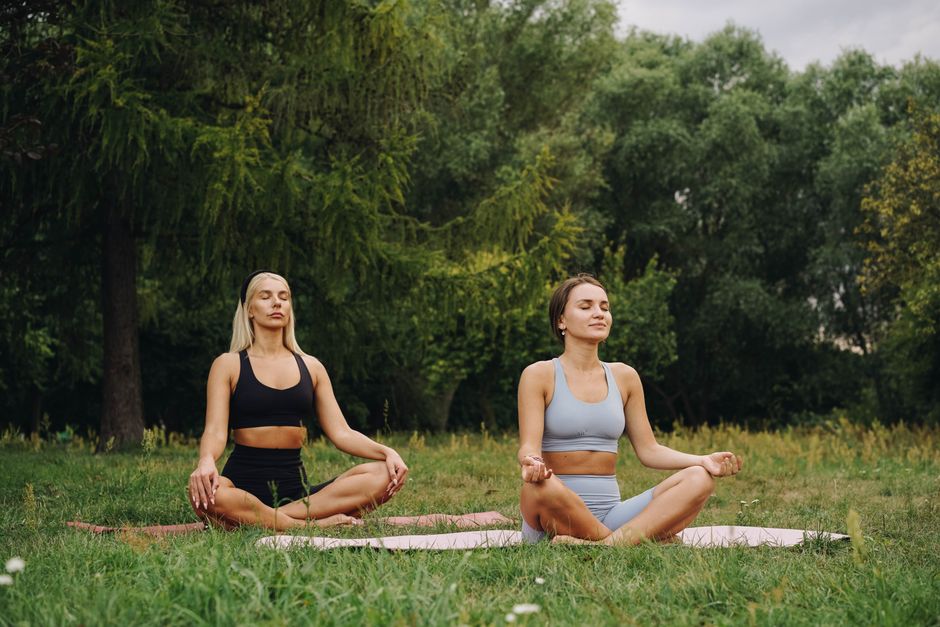
Yoga attendance across Tehran's northern districts has jumped roughly 40 percent since 2023, according to figures compiled by the Iranian Yoga Federation, and the city now hosts more than 120 registered studios — a number that was closer to 70 just three years ago. That growth has left a lot of newcomers standing in the middle of a studio, mat unrolled, with no idea whether they signed up for a gentle stretch or a 90-minute sweat session. The styles are genuinely different, and choosing the wrong one can turn off an otherwise willing practitioner before they've completed a single full cycle.
The surge matters right now partly because summer heat has pushed many Tehranis indoors and away from outdoor exercise. July temperatures in the capital regularly clear 35°C by mid-morning, making climate-controlled studio time more attractive than a run along the Chamran Expressway. At the same time, a broader conversation about hormonal health, stress management and sleep quality — driven by endocrinologists and wellness educators across the region — has sent more people toward practices that regulate the nervous system rather than spike the heart rate.
Hatha is the sensible starting point for most beginners. Classes move through poses slowly, holding each one for several breaths, and instructors typically spend time on alignment. The Zen Yoga Studio on Vanak Square runs a Saturday-morning Hatha session specifically marketed at office workers and first-timers; a single drop-in class costs around 800,000 tomans. The pace allows students to understand what their bodies are actually doing, which matters more than flexibility.
Vinyasa is the next level up. Poses flow together in sequences linked to breath, and a full class at a place like Atman Yoga Center in the Shariati Street corridor will leave most people genuinely fatigued. This style suits people who already have some body awareness and want a cardiovascular component without going to the gym. The risk is that without a solid foundation, students rush the transitions and miss the mindfulness element entirely — which rather defeats the purpose.
Yin yoga sits at the opposite extreme. Poses are held for three to five minutes, targeting the deep connective tissue rather than the muscles. It is uncomfortable in a different way — not aerobic intensity but sustained stillness — and it has developed a loyal following among Tehran's tech and finance workers who describe chronic lower-back tightness from long hours at desks. The Nirvana Wellness Club in Zafaraniyeh offers Thursday-evening Yin classes that consistently sell out a week in advance, priced at 1.2 million tomans per session.
All yoga is, in theory, a mindfulness practice. The reality is that a fast Vinyasa class in a packed room with loud music functions more like interval training with stretching. That is not inherently wrong, but people seeking genuine stress reduction — lower cortisol, improved sleep, a quieter mind — get more reliable results from Hatha, Yin or Restorative formats, where the breath work and mental focus are built into the structure of the class rather than treated as optional extras at the end.
The Iranian Yoga Federation introduced a certified instructor classification system in early 2025 that distinguishes between teachers trained in movement-focused methods and those with additional training in pranayama and meditation. When booking a class, checking whether the instructor holds a Federation-recognised mindfulness-stream certificate takes about 30 seconds and significantly improves the odds of walking out feeling mentally clearer rather than just physically tired.
For complete beginners, the practical advice is simple: start with a four-week Hatha foundation course rather than dropping into mixed-level classes. Several studios in the Gisha and Narmak neighbourhoods offer these structured introductions for between 3 and 4 million tomans for the full month. After four weeks, most students have enough body literacy to know whether they want the stillness of Yin, the flow of Vinyasa or the meditative depth of a dedicated pranayama class. Consulting a physician before starting any new physical practice remains essential, particularly for anyone managing cardiovascular conditions or joint injuries. The mat is a good place to begin; knowing which mat to step onto first makes the difference.
About this article
Published by The Daily Tehran
Spread the word
Daily brief
Free, in your inbox before 7am. Weekdays.
The Daily Network — local news across Australia