Tehran's yoga studios logged a 34 percent rise in new memberships in the first half of 2026, according to figures compiled by the Iranian Yoga Federation. That number tells you something simple: more people here are rolling out mats, but plenty of them walk in without knowing what they've signed up for. Hatha, Vinyasa, Yin, Restorative — the menu alone is enough to send a beginner straight back out the door.
The timing matters. July heat in Tehran pushes afternoon temperatures past 38°C, and public health researchers at Tehran University of Medical Sciences have been increasingly documenting links between chronic urban stress — long commutes on the Chamran Expressway, dense Valiasr corridor crowds, cost-of-living pressure — and disrupted sleep and elevated cortisol. Structured mindfulness practices, yoga chief among them, have moved from lifestyle accessory to something closer to a clinical recommendation for many practitioners in the city.
Knowing Your Styles Before You Book
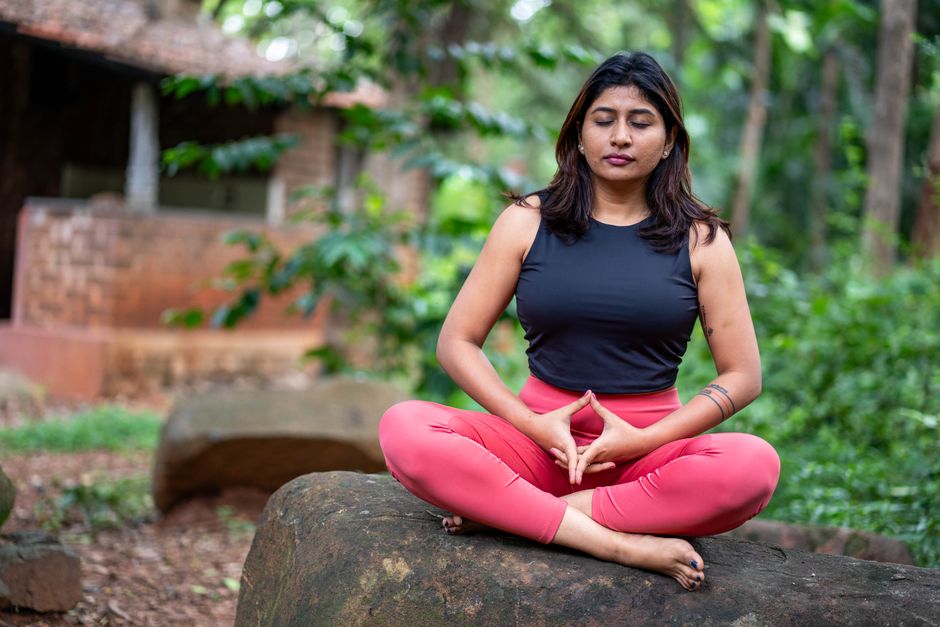
Hatha is where most beginners should start. Classes move slowly, holding each pose for several breaths, with the instructor talking you through alignment. The Yoga House on Shariati Street in the Qolhak neighbourhood runs dedicated Hatha beginner courses every Saturday morning, priced at around 1,800,000 rials per session as of this month. You'll leave sweaty but not destroyed.
Vinyasa is a different animal entirely. Poses flow together in sequences linked to the breath — think of it as movement meditation rather than static stretching. It suits people who already have some baseline fitness and find stillness difficult. Several studios in the Elahiyeh district have built their entire brand around Vinyasa, including Namaste Studio on Fereshteh Street, which runs three Vinyasa levels simultaneously to sort beginners from those ready for arm balances.
Yin yoga targets the connective tissue rather than muscle. Poses are held for three to five minutes each, sometimes longer. It demands patience more than strength. For anyone carrying desk-worker stiffness — the kind that accumulates after months behind a screen in one of Tehran's tech hub offices around Vanak Square — a single Yin class can feel transformative and strange in equal measure. The Tehran Wellness Collective, which operates out of a converted villa in Zafaraniyeh, runs Yin sessions specifically marketed to professionals in high-stress roles.
Restorative yoga uses bolsters, blankets and blocks to support the body entirely, allowing passive, deep release over 20-minute holds. It is, essentially, supervised rest with intention. Practitioners working through anxiety or burnout often find it more immediately useful than anything vigorous. Prenatal yoga is a fourth category gaining serious traction — a survey by the Mehr News Agency in March 2026 found that 61 percent of Iranian women who practised yoga during pregnancy reported lower perceived labour anxiety than those who did not.
Matching Style to Your Week
The practical question is not which style is best in the abstract. It's which one you'll actually return to on a Tuesday evening after sitting in traffic on the Hakim Expressway for ninety minutes.
High-energy, schedule-driven personalities tend to stick with Vinyasa or Ashtanga — the latter follows a fixed sequence every single session, so there's nothing to decide, only to execute. More introverted or analytically minded practitioners often discover Yin or Iyengar, which uses props extensively and rewards careful attention to anatomical detail.
Budget is a real factor. Drop-in rates across Tehran studios currently run between 1,500,000 and 3,200,000 rials per class, depending on the neighbourhood and the instructor's credentials. Monthly memberships offering eight classes typically start at 9,000,000 rials. Several community centres in districts like Narmak and Tehranpars offer subsidised yoga programmes for under 500,000 rials a session — quality varies, but for building a basic practice, they're entirely adequate.
The practical advice is simply this: attend one class of at least three different styles before committing to a membership anywhere. Most studios in the Darband foothills area and along the Jordan Street corridor offer a free or discounted first session. Try Hatha first, Yin second, and see how your body responds to stillness before deciding whether you need the push of Vinyasa. Your mat does not care about the trend. Only your nervous system gets a vote. Consult a local medical professional if you're managing an injury or a chronic condition before beginning any new physical programme.