Property
How Much Rent Is Too Much? The 30% Rule in Practice for Tehran Residents
For young Tehranis and families alike, the 30% income threshold for rent is tested as prices climb in districts from Sa’adat Abad to Tehranpars.
3 min read
Property
For young Tehranis and families alike, the 30% income threshold for rent is tested as prices climb in districts from Sa’adat Abad to Tehranpars.
3 min read
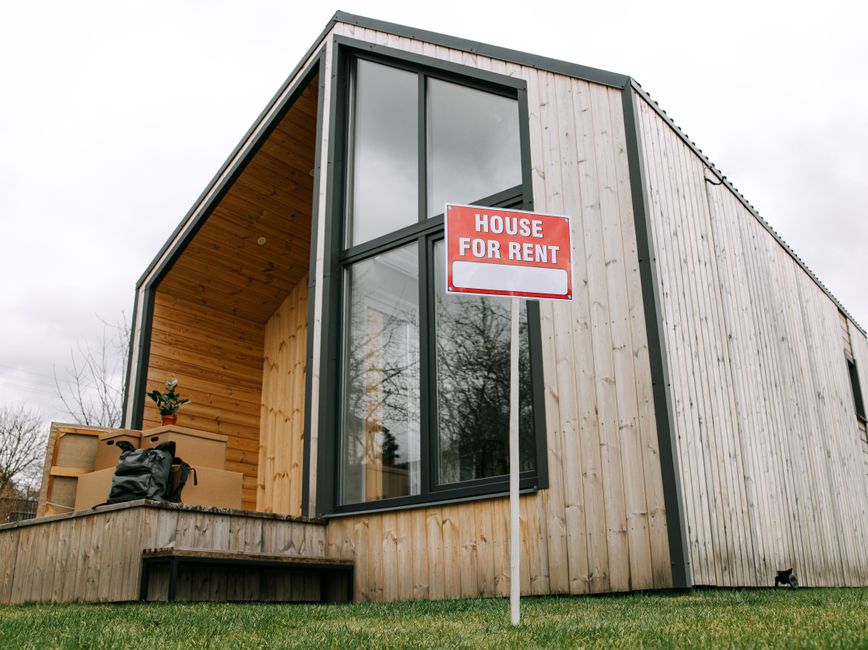
In northern Tehran’s Yusef Abad district, a typical two-bedroom apartment now commands monthly rent of nearly 80 million rials, a figure pushing even middle-income earners well above the so-called 30% rule—an international benchmark that says tenants should devote no more than a third of their earnings to housing.
This matters sharply in July 2026 as Tehran faces high demand, supply shortages, and fresh financial anxieties after the recent Supreme Leader’s funeral rattled wider markets. With inflation running above 45% year-on-year (according to the Central Bank of Iran’s June update) and rents leaping by double digits in key neighbourhoods, finding affordable shelter has become a defining worry for both single renters and families priced out of traditional homes.
Real estate agents along Shariati Street report heavier foot traffic but fewer completed contracts as renters struggle to square budgets. In Yusef Abad and Sa’adat Abad—both magnet areas for educated professionals—a survey by Tehran Urban Services (شهرداری تهران) last month found over 60% of new leases exceeded the 30% income guideline set by the Ministry of Roads and Urban Development. Meanwhile, far from the city’s leafy north, in sprawling Tehranpars, the situation is little better: prices there, though lower, remain out of reach for many.
Fatemeh K., a 29-year-old IT worker based near Azadi Square, described her search for a studio last week: “Listings for anything under 40 million rials per month either disappeared immediately or turned out to be basement units without windows,” she said—a scenario echoed by other renters. With median urban wages hovering around 90 million rials per month, a growing number find themselves spending closer to 40% or even 50% of net monthly income just for basic accommodation.
Data from the Iranian Realtors Association shows average asking rents for central districts rose to 60 million rials per month for a one-bedroom by June 2026. In still-expanding suburbs like Pardis, at least a 20% jump was recorded over the past year. Housing cost increases have outstripped wage growth: government salary adjustments this spring averaged just 18%. The result? More renters rely on parent loans or crowded flatshares. Meanwhile, state initiatives such as Maskan-e Mehr offer limited relief. Scores of applicants remain on waiting lists, with the most recent government-built blocks in Khavaran not scheduled to open before early 2027.
Experts at Sharif University’s School of Urban Planning caution that the 30% rule, borrowed from global policy, only works when wages and housing markets move in tandem—a dynamic currently broken in Tehran. For many, the calculation is blunt: either accept a smaller, lower-quality unit, endure longer work commutes from satellite towns like Robat Karim, or risk financial distress by overcommitting to rent.
As the housing crunch deepens, families and solo renters face tough choices. Urban analysts suggest scrutinizing landlord demands, considering co-tenancy contracts, or using the Tehran Renters’ Support Line (021-137) for advice. Officials at the Ministry of Roads and Urban Development have promised additional regulatory measures in late 2026, but until then, the 30% ideal remains more aspiration than rule. For many in Tehran—whether shopping in Tajrish Bazaar or pushing strollers down Valiasr Avenue—how much rent is too much has a simple answer: whatever you actually have left to live on.
Property
Property
Property
Property
About this article
Published by The Daily Tehran
Spread the word
Daily brief
Free, in your inbox before 7am. Weekdays.
The Daily Network — local news across Australia